

Give the Gift of Choice!
Too many options? Treat your friends and family to their favourite stores with a Bayshore Shopping Centre gift card, redeemable at participating retailers throughout the centre. Click below to purchase yours today!Purchase HereHome
The Politics of Redress: War Damage Compensation and Restitution in Indonesia and the Philippines, 1940-1957
Coles
Loading Inventory...
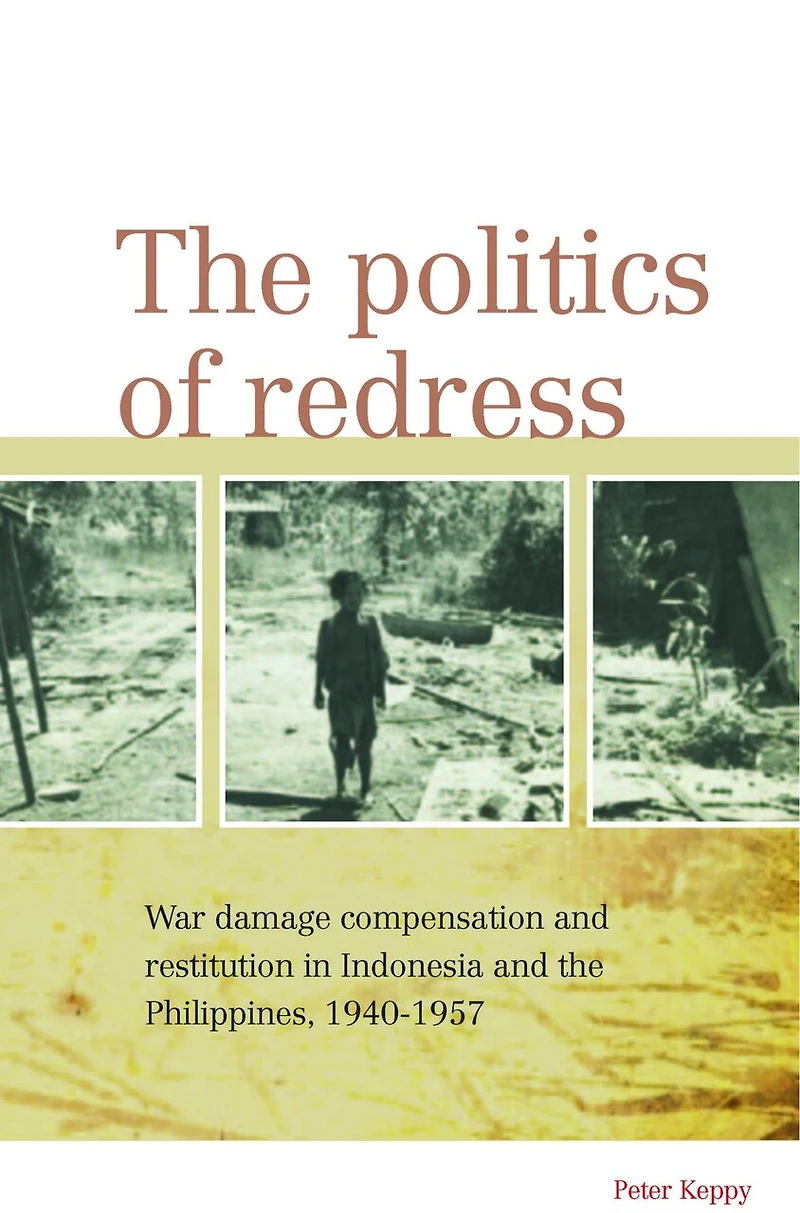
The Politics of Redress: War Damage Compensation and Restitution in Indonesia and the Philippines, 1940-1957 in Ottawa, ON
Current price: $99.99

The Politics of Redress: War Damage Compensation and Restitution in Indonesia and the Philippines, 1940-1957 in Ottawa, ON
Current price: $99.99
Loading Inventory...
Size: Paperback
*Product information may vary - to confirm product availability, pricing, shipping and return information please contact Coles
This book focuses on the aftermath of World War II in Asia as described in a sobering and insightful history of two types of redress: compensation for material war damage and restitution of looted property. Japanese Army units and citizens stole goods while shelling and bombardment by all sides destroyed factories, offices and residential neighbourhoods. How were these cases of material damage and loss to be rectified, and who was to rectify them? What financial means and legal precedents were there to fall back on at a time of decolonization, independence struggle, and shifting alliances on the brink of the Cold War?
The politics of redress makes an important contribution to the study of law and society in Southeast Asia. It lays bare the complex web of interconnections between politics, law and economy from a comparative historical perspective.
The translation of this book was funded by the Nederlandse Organisatie voor Wetenschappelijk Onderzoek (NWO, Netherlands Organisation for Scientific Research).
This book focuses on the aftermath of World War II in Asia as described in a sobering and insightful history of two types of redress: compensation for material war damage and restitution of looted property. Japanese Army units and citizens stole goods while shelling and bombardment by all sides destroyed factories, offices and residential neighbourhoods. How were these cases of material damage and loss to be rectified, and who was to rectify them? What financial means and legal precedents were there to fall back on at a time of decolonization, independence struggle, and shifting alliances on the brink of the Cold War?
The politics of redress makes an important contribution to the study of law and society in Southeast Asia. It lays bare the complex web of interconnections between politics, law and economy from a comparative historical perspective.
The translation of this book was funded by the Nederlandse Organisatie voor Wetenschappelijk Onderzoek (NWO, Netherlands Organisation for Scientific Research).
You May Also Like













More About Coles at Bayshore Shopping Centre
Coles is renowned for its outstanding customer service and great selection of books. Along with the vast array of magazines, stationary, audio-books, children's literature, fiction, non-fiction and reference books, you can find accessories to make your reading experience more pleasurable. We can recommend the very best in reading today. We will help you search our titles for exactly what you need, and if we do not have it in stock, we will order it for you.
100 Bayshore Dr, Nepean, ON K2B 8C1, Canada
Find Coles at Bayshore Shopping Centre in Ottawa, ON
Visit Coles at Bayshore Shopping Centre in Ottawa, ON