

Give the Gift of Choice!
Too many options? Treat your friends and family to their favourite stores with a Bayshore Shopping Centre gift card, redeemable at participating retailers throughout the centre. Click below to purchase yours today!Purchase HereHome
the Port: Hà Tiên and Mo Clan Early Modern Asia
Coles
Loading Inventory...
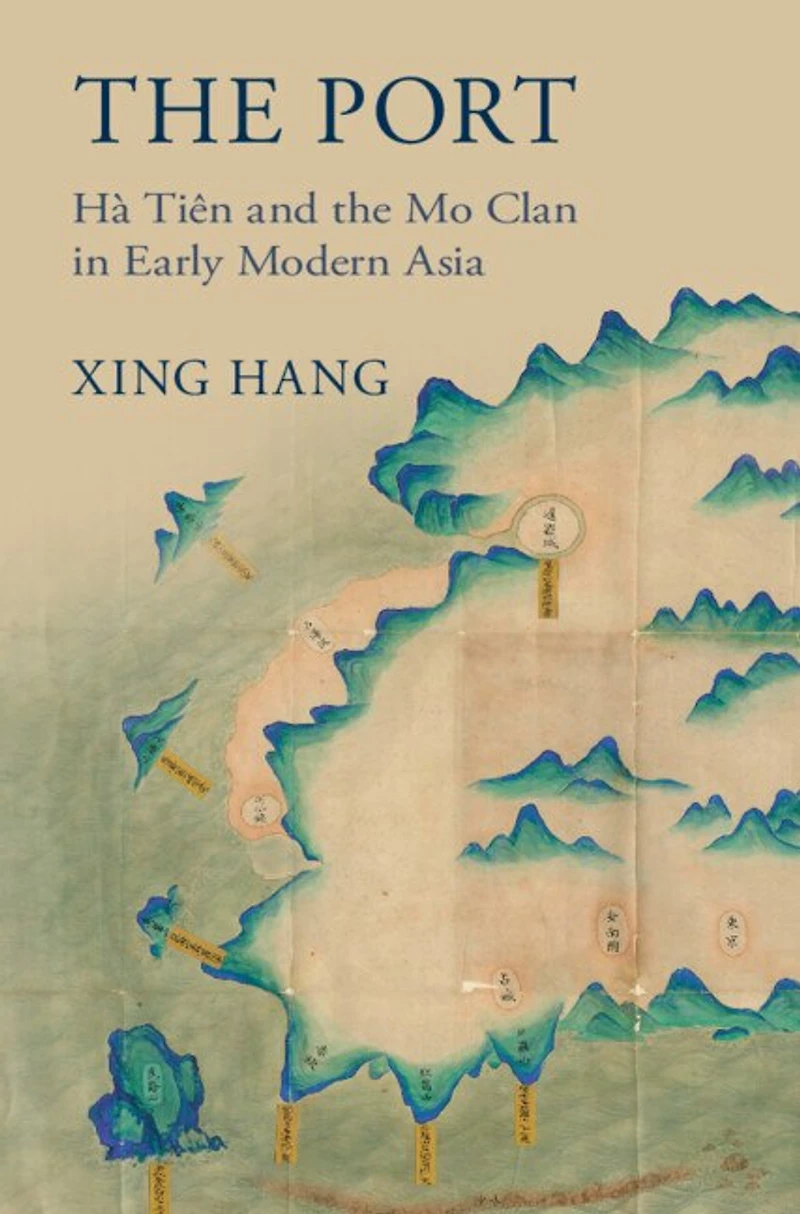
the Port: Hà Tiên and Mo Clan Early Modern Asia in Ottawa, ON
Current price: $120.95

the Port: Hà Tiên and Mo Clan Early Modern Asia in Ottawa, ON
Current price: $120.95
Loading Inventory...
Size: Hardcover
*Product information may vary - to confirm product availability, pricing, shipping and return information please contact Coles
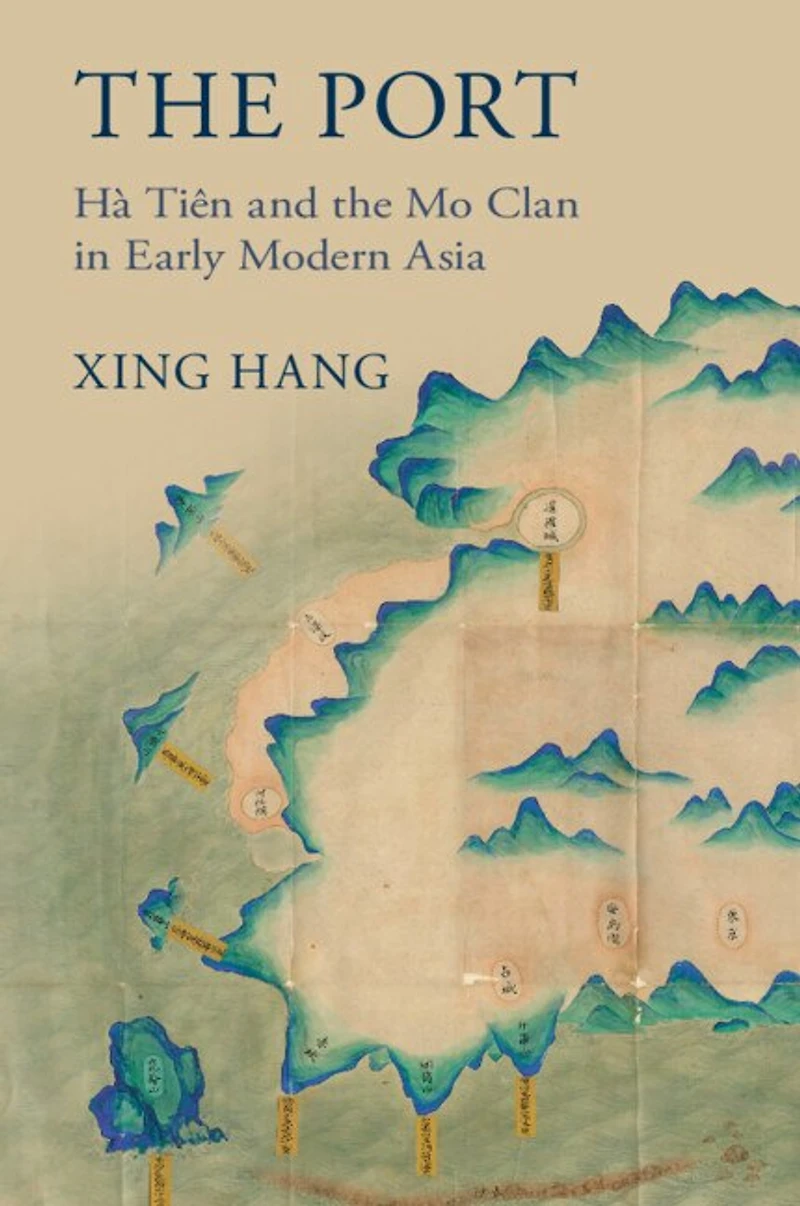
The Port (present-day Hà Tiên), situated in the Mekong River Delta and Gulf of Siam littoral, was founded and governed by the Chinese creole Mo clan during the eighteenth century and prospered as a free-trade emporium in maritime East Asia. Mo Jiu and his son, Mo Tianci, maintained an independent polity through ambiguous and simultaneous allegiances to the Cochinchinese regime of southern Vietnam, Cambodia, Siam, and the Dutch East India Company. A shared value system was forged among their multiethnic and multi-confessional residents via elite Chinese culture, facilitating closer business ties to Qing China. The story of this remarkable settlement sheds light on a transitional period in East Asian history, when the dominance of the Chinese state, merchants, and immigrants gave way to firmer state boundaries in mainland Southeast Asia and Western dominance on the seas.
The Port (present-day Hà Tiên), situated in the Mekong River Delta and Gulf of Siam littoral, was founded and governed by the Chinese creole Mo clan during the eighteenth century and prospered as a free-trade emporium in maritime East Asia. Mo Jiu and his son, Mo Tianci, maintained an independent polity through ambiguous and simultaneous allegiances to the Cochinchinese regime of southern Vietnam, Cambodia, Siam, and the Dutch East India Company. A shared value system was forged among their multiethnic and multi-confessional residents via elite Chinese culture, facilitating closer business ties to Qing China. The story of this remarkable settlement sheds light on a transitional period in East Asian history, when the dominance of the Chinese state, merchants, and immigrants gave way to firmer state boundaries in mainland Southeast Asia and Western dominance on the seas.
You May Also Like







More About Coles at Bayshore Shopping Centre
Coles is renowned for its outstanding customer service and great selection of books. Along with the vast array of magazines, stationary, audio-books, children's literature, fiction, non-fiction and reference books, you can find accessories to make your reading experience more pleasurable. We can recommend the very best in reading today. We will help you search our titles for exactly what you need, and if we do not have it in stock, we will order it for you.
100 Bayshore Dr, Nepean, ON K2B 8C1, Canada
Find Coles at Bayshore Shopping Centre in Ottawa, ON
Visit Coles at Bayshore Shopping Centre in Ottawa, ON