

Give the Gift of Choice!
Too many options? Treat your friends and family to their favourite stores with a Bayshore Shopping Centre gift card, redeemable at participating retailers throughout the centre. Click below to purchase yours today!Purchase HereHome
The Post-Soviet States: Mapping the Politics of Transition
Coles
Loading Inventory...
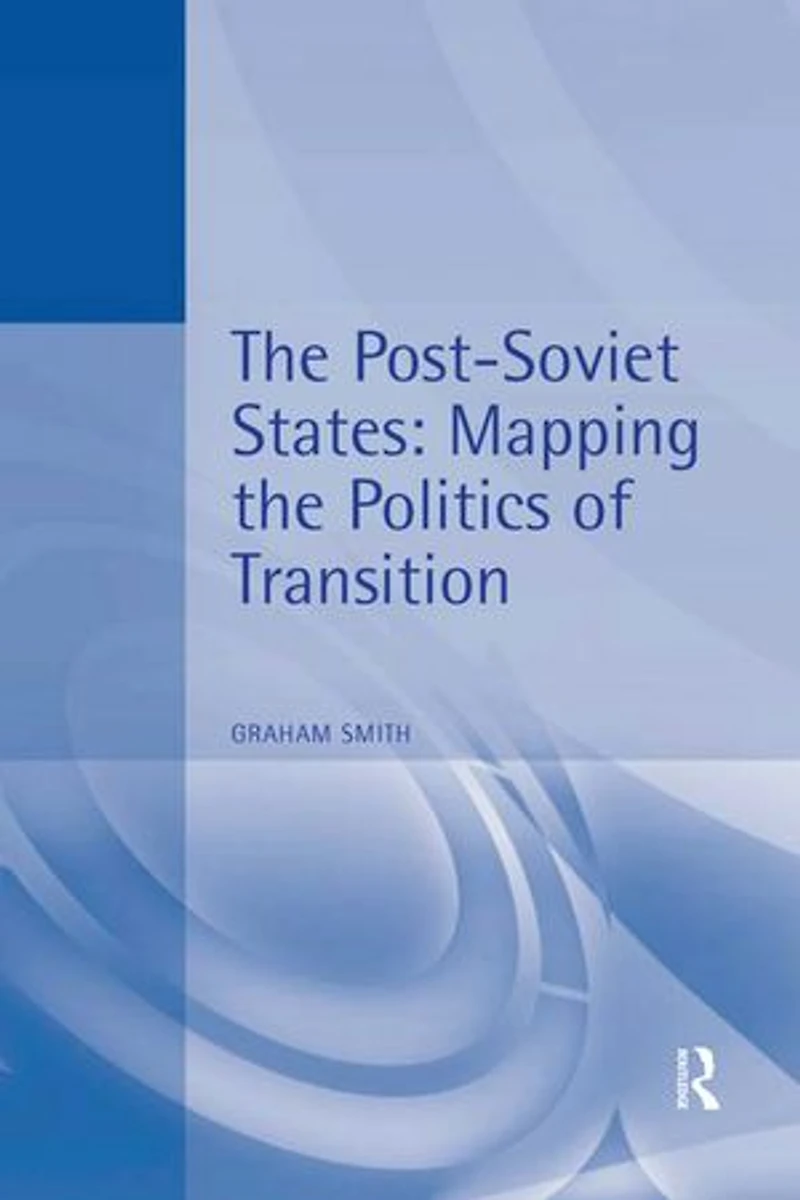
The Post-Soviet States: Mapping the Politics of Transition in Ottawa, ON
Current price: $78.71

The Post-Soviet States: Mapping the Politics of Transition in Ottawa, ON
Current price: $78.71
Loading Inventory...
Size: Kobo eBook
*Product information may vary - to confirm product availability, pricing, shipping and return information please contact Coles
The collapse of the Soviet Union has engendered one of the most momentous and critical regional transformations of our tiomes through the formation and development of the post-Soviet states. This book explores the politics of post-Soviet transition and the problems which will continue to face these states well into the twenty-first century, as they struggle towards democracy, market reform, ethnic co-existance and integration into a new geoplolitical post-Cold War world order.
Richly illustrated with examples drawn from Russian and other post-Soviet primary sources, the author focuses on three broad themes of transition. Firstly, the progression from colonialism to post-colonialism and the consquences of such changes on national identity and the redefinition of national homeland. Secondly, the movement away from totalitarian rule and the factors which both facilitate and challenge the prospects of a democratic future. Thirdly, the process of securing a successful place in the global capitalist economy.
The collapse of the Soviet Union has engendered one of the most momentous and critical regional transformations of our tiomes through the formation and development of the post-Soviet states. This book explores the politics of post-Soviet transition and the problems which will continue to face these states well into the twenty-first century, as they struggle towards democracy, market reform, ethnic co-existance and integration into a new geoplolitical post-Cold War world order.
Richly illustrated with examples drawn from Russian and other post-Soviet primary sources, the author focuses on three broad themes of transition. Firstly, the progression from colonialism to post-colonialism and the consquences of such changes on national identity and the redefinition of national homeland. Secondly, the movement away from totalitarian rule and the factors which both facilitate and challenge the prospects of a democratic future. Thirdly, the process of securing a successful place in the global capitalist economy.
You May Also Like










More About Coles at Bayshore Shopping Centre
Coles is renowned for its outstanding customer service and great selection of books. Along with the vast array of magazines, stationary, audio-books, children's literature, fiction, non-fiction and reference books, you can find accessories to make your reading experience more pleasurable. We can recommend the very best in reading today. We will help you search our titles for exactly what you need, and if we do not have it in stock, we will order it for you.
100 Bayshore Dr, Nepean, ON K2B 8C1, Canada
Find Coles at Bayshore Shopping Centre in Ottawa, ON
Visit Coles at Bayshore Shopping Centre in Ottawa, ON