

Give the Gift of Choice!
Too many options? Treat your friends and family to their favourite stores with a Bayshore Shopping Centre gift card, redeemable at participating retailers throughout the centre. Click below to purchase yours today!Purchase HereHome
The Power of Past Greatness: Urban Renewal of Historic Centres in European Dictatorships
Coles
Loading Inventory...
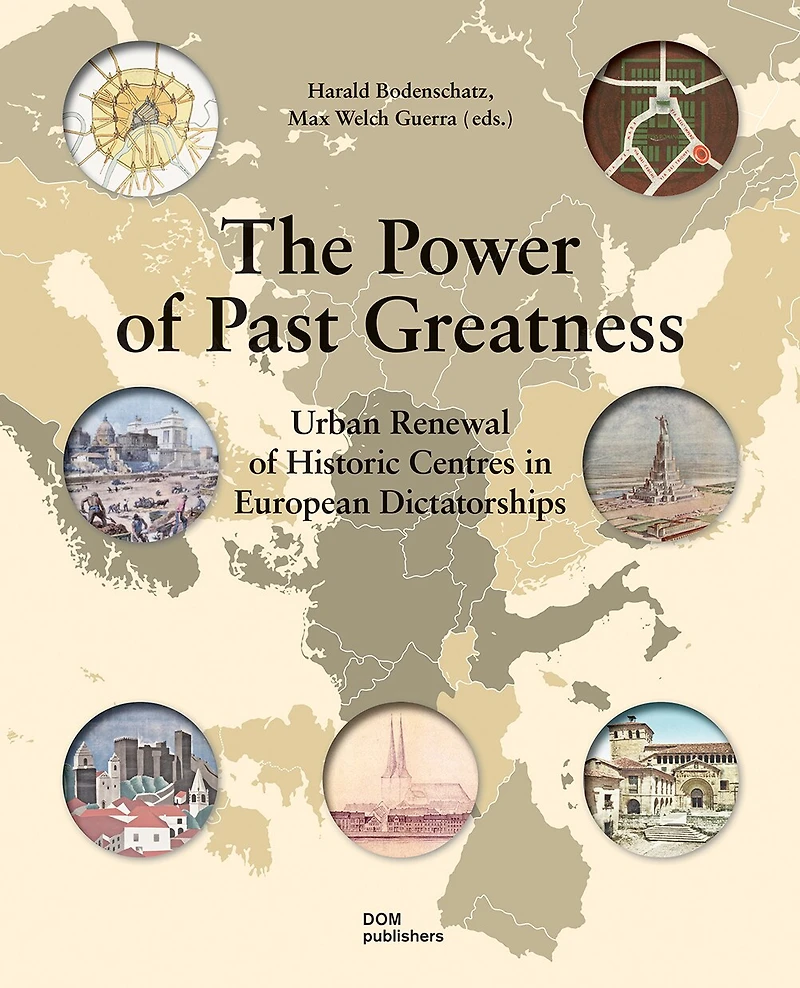
The Power of Past Greatness: Urban Renewal of Historic Centres in European Dictatorships in Ottawa, ON
Current price: $103.99

The Power of Past Greatness: Urban Renewal of Historic Centres in European Dictatorships in Ottawa, ON
Current price: $103.99
Loading Inventory...
Size: Hardcover
*Product information may vary - to confirm product availability, pricing, shipping and return information please contact Coles
The redevelopment of historical centres became an important policy field in the era of European dictatorships following the First World War.
At that time historical centres were regarded as shabby and as tarnishing the desired image of a magnificent new city, of a showcase of the dictatorship. This led to the widespread demolition of older buildings. Historical streets and squares disappeared and were replaced by new apartments and workplaces for the loyal middle classes, by car-friendly roads and ostentatious new buildings. Nevertheless, the redevelopment of historical centres did not exclusively mean the eradication of the ‘old town’. The aim of the dictatorship in many cases was also the preservation, and often the cultic display, of historical testimonials to past greatness.
The book presents examples of the redevelopment of historical centres in Mussolini’s Italy, in Stalin’s Soviet Union, in Hitler’s Germany, in Salazar’s Portugal and in Franco’s Spain.
The redevelopment of historical centres became an important policy field in the era of European dictatorships following the First World War.
At that time historical centres were regarded as shabby and as tarnishing the desired image of a magnificent new city, of a showcase of the dictatorship. This led to the widespread demolition of older buildings. Historical streets and squares disappeared and were replaced by new apartments and workplaces for the loyal middle classes, by car-friendly roads and ostentatious new buildings. Nevertheless, the redevelopment of historical centres did not exclusively mean the eradication of the ‘old town’. The aim of the dictatorship in many cases was also the preservation, and often the cultic display, of historical testimonials to past greatness.
The book presents examples of the redevelopment of historical centres in Mussolini’s Italy, in Stalin’s Soviet Union, in Hitler’s Germany, in Salazar’s Portugal and in Franco’s Spain.
You May Also Like














More About Coles at Bayshore Shopping Centre
Coles is renowned for its outstanding customer service and great selection of books. Along with the vast array of magazines, stationary, audio-books, children's literature, fiction, non-fiction and reference books, you can find accessories to make your reading experience more pleasurable. We can recommend the very best in reading today. We will help you search our titles for exactly what you need, and if we do not have it in stock, we will order it for you.
100 Bayshore Dr, Nepean, ON K2B 8C1, Canada
Find Coles at Bayshore Shopping Centre in Ottawa, ON
Visit Coles at Bayshore Shopping Centre in Ottawa, ON