

Give the Gift of Choice!
Too many options? Treat your friends and family to their favourite stores with a Bayshore Shopping Centre gift card, redeemable at participating retailers throughout the centre. Click below to purchase yours today!Purchase HereHome
The Pullman Case: Clash of Labor and Capital Industrial America
Coles
Loading Inventory...

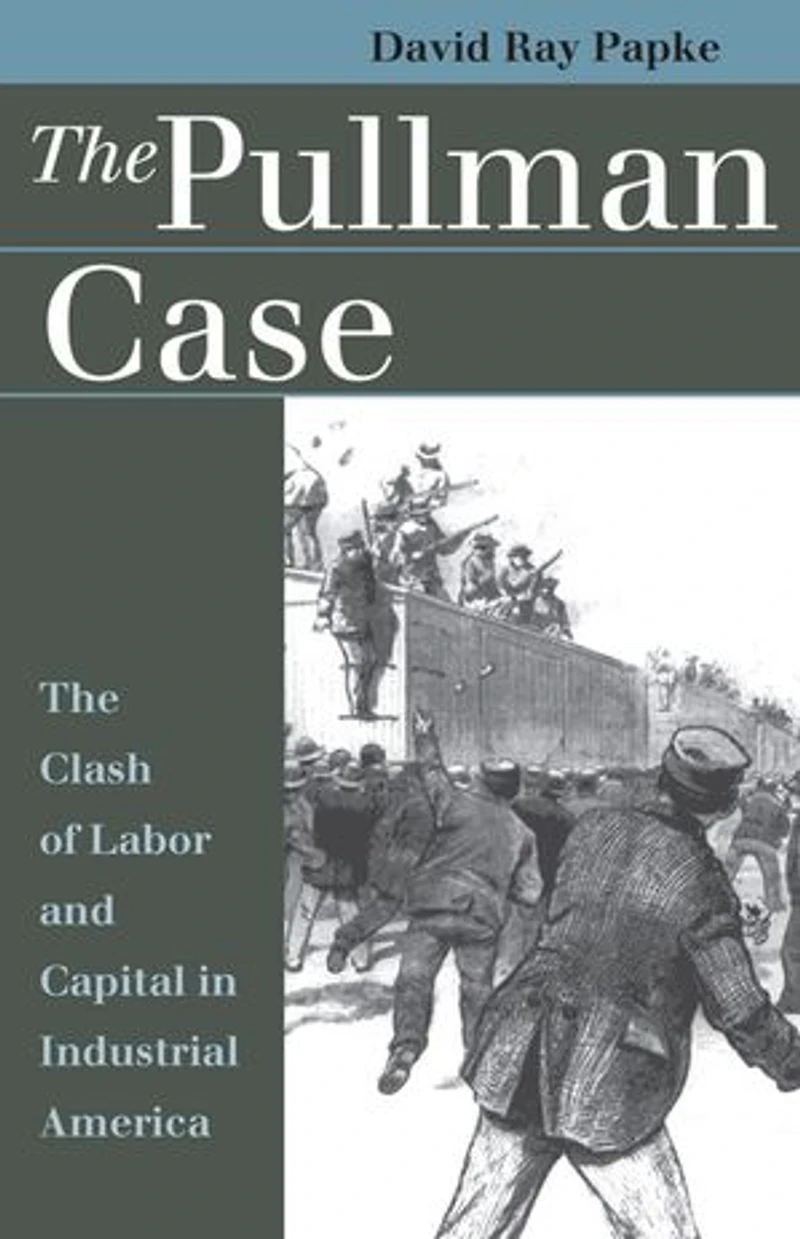
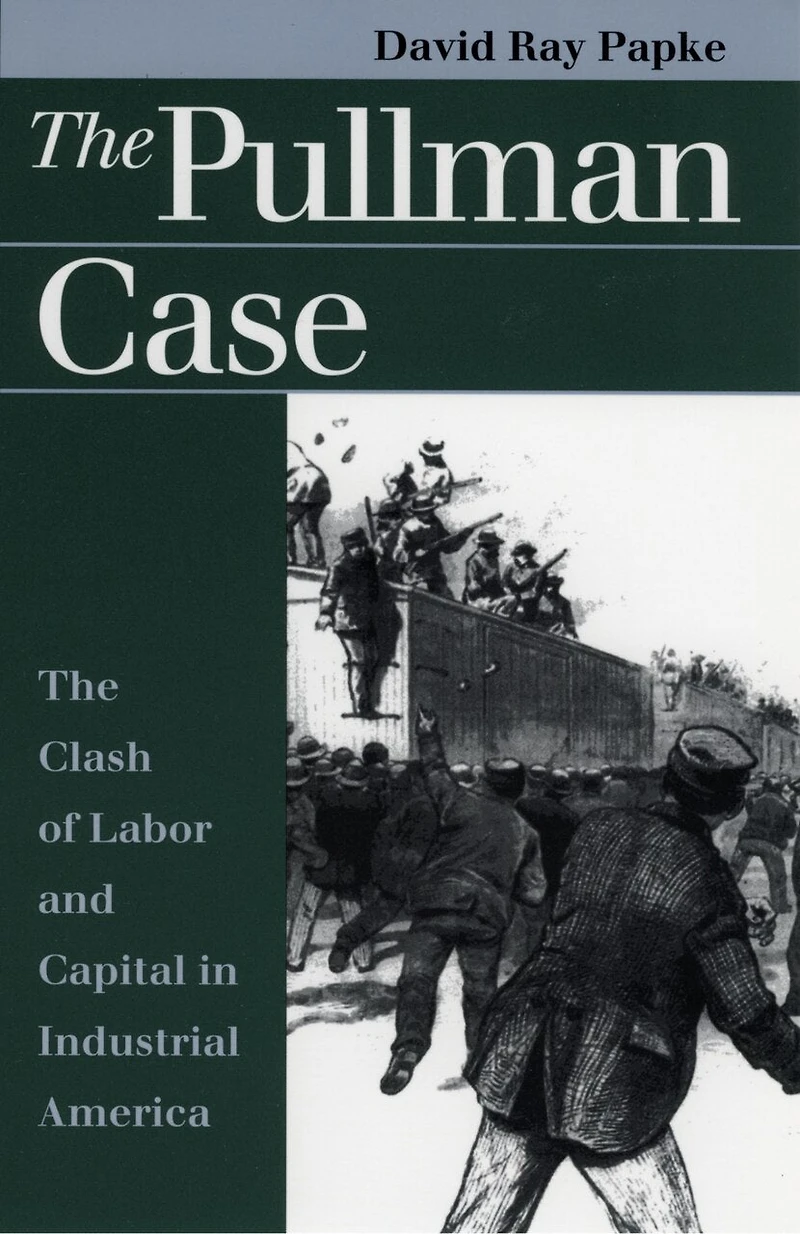
The Pullman Case: Clash of Labor and Capital Industrial America in Ottawa, ON
Current price: $134.95

The Pullman Case: Clash of Labor and Capital Industrial America in Ottawa, ON
Current price: $134.95
Loading Inventory...
Size: Hardcover
*Product information may vary - to confirm product availability, pricing, shipping and return information please contact Coles
When the American Railway Union went on strike against the Pullman Palace Car Company in 1894, it set into motion a chain of events whose repercussions are still felt today. The strike pitted America's largest industrial union against twenty-four railroads, paralyzed rail traffic in half the country, and in the end was broken up by federal troops and suppressed by the courts, with union leader Eugene Debs incarcerated. But behind the Pullman case lay a conflict of ideologies at a watershed time in our nation's history.
David Ray Papke reexamines the events and personalities surrounding the 1894 strike, related proceedings in the Chicago trial courts, and the 1895 Supreme Court decision, In re Debs, which set important standards for labor injunctions. He shows how the Court, by upholding Debs's contempt citation, dealt fatal blows to broad-based unionism in the nation's most important industry and to any hope for a more evenhanded form of judicial involvement in labor disputes-thus setting the stage for labor law in decades to come.
The Pullman case was a defining moment in the often violent confrontation between capital and labor. It matched wealthy industrialist George Pullman against Debs and gave a stage to Debs's fledgling attorney Clarence Darrow. Throughout the trial, capital and labor tried to convince the public of the justice of their cause: Debs decrying the company's treatment of workers and Pullman raising fears of radical unionists. Papke provides an analytically concise and highly readable account of these proceedings, offering insight into the strengths and weaknesses of the law at the peak of industrial capitalism, showcasing Debs's passionate commitment to workers' rights, and providing a window on America during a period of rapid industrialization and social transformation.
Papke shows that the law was far from neutral in defending corporate interests and suggests what the Pullman case, by raising questions about both the legitimacy of giant corporations and the revolutionary style of industrial unions, can teach us about law and legal institutions in our own time. His book captures the passions of industrial America and tells an important story at the intersection of legal and cultural history.
When the American Railway Union went on strike against the Pullman Palace Car Company in 1894, it set into motion a chain of events whose repercussions are still felt today. The strike pitted America's largest industrial union against twenty-four railroads, paralyzed rail traffic in half the country, and in the end was broken up by federal troops and suppressed by the courts, with union leader Eugene Debs incarcerated. But behind the Pullman case lay a conflict of ideologies at a watershed time in our nation's history.
David Ray Papke reexamines the events and personalities surrounding the 1894 strike, related proceedings in the Chicago trial courts, and the 1895 Supreme Court decision, In re Debs, which set important standards for labor injunctions. He shows how the Court, by upholding Debs's contempt citation, dealt fatal blows to broad-based unionism in the nation's most important industry and to any hope for a more evenhanded form of judicial involvement in labor disputes-thus setting the stage for labor law in decades to come.
The Pullman case was a defining moment in the often violent confrontation between capital and labor. It matched wealthy industrialist George Pullman against Debs and gave a stage to Debs's fledgling attorney Clarence Darrow. Throughout the trial, capital and labor tried to convince the public of the justice of their cause: Debs decrying the company's treatment of workers and Pullman raising fears of radical unionists. Papke provides an analytically concise and highly readable account of these proceedings, offering insight into the strengths and weaknesses of the law at the peak of industrial capitalism, showcasing Debs's passionate commitment to workers' rights, and providing a window on America during a period of rapid industrialization and social transformation.
Papke shows that the law was far from neutral in defending corporate interests and suggests what the Pullman case, by raising questions about both the legitimacy of giant corporations and the revolutionary style of industrial unions, can teach us about law and legal institutions in our own time. His book captures the passions of industrial America and tells an important story at the intersection of legal and cultural history.







More About Coles at Bayshore Shopping Centre
Coles is renowned for its outstanding customer service and great selection of books. Along with the vast array of magazines, stationary, audio-books, children's literature, fiction, non-fiction and reference books, you can find accessories to make your reading experience more pleasurable. We can recommend the very best in reading today. We will help you search our titles for exactly what you need, and if we do not have it in stock, we will order it for you.
100 Bayshore Dr, Nepean, ON K2B 8C1, Canada
Find Coles at Bayshore Shopping Centre in Ottawa, ON
Visit Coles at Bayshore Shopping Centre in Ottawa, ON