

Give the Gift of Choice!
Too many options? Treat your friends and family to their favourite stores with a Bayshore Shopping Centre gift card, redeemable at participating retailers throughout the centre. Click below to purchase yours today!Purchase HereHome
The Queen of Sheba
Coles
Loading Inventory...
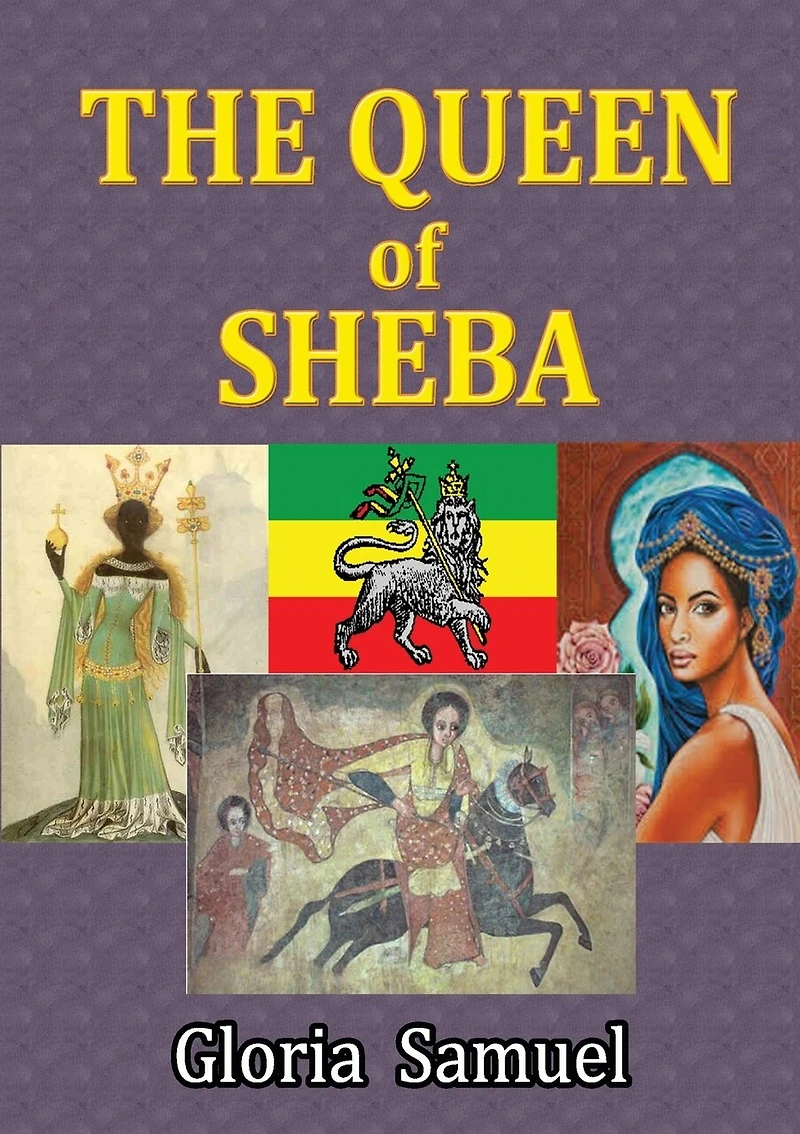
The Queen of Sheba in Ottawa, ON
Current price: $11.20

The Queen of Sheba in Ottawa, ON
Current price: $11.20
Loading Inventory...
Size: Paperback
*Product information may vary - to confirm product availability, pricing, shipping and return information please contact Coles
The queen of Sheba has been called a variety of names by different peoples in different times. To King Solomon of Israel she was the Queen of Sheba. In Islamic tradition she was called Bilkis, Bilqis, Balqis, Balquis, Bilkish or Bilqays by the Arabs, who say she came from the city of Sheba, also called Mareb, in Yemen or Arabia Felix. The Roman historian Josephus calls her Nicaule. The Luhya of Kenya call her Nakuti and in the Ethiopian account she is named Makeda (Mākədā. She is said to have been born some time in the 10th century BC. One of the beliefs is that she loved a king named Hemant. Traditionally her lineage was part of the Ethiopian dynasty established in 1370 BC by Za Besi Angabo, which lasted 350 years; her grandfather and father were the last two rulers of this dynasty. According to the Kebra Negast, her mother was known as Queen Ismeni, and in 1005 BC, Makeda's father appointed her as his successor from his deathbed.
The queen of Sheba has been called a variety of names by different peoples in different times. To King Solomon of Israel she was the Queen of Sheba. In Islamic tradition she was called Bilkis, Bilqis, Balqis, Balquis, Bilkish or Bilqays by the Arabs, who say she came from the city of Sheba, also called Mareb, in Yemen or Arabia Felix. The Roman historian Josephus calls her Nicaule. The Luhya of Kenya call her Nakuti and in the Ethiopian account she is named Makeda (Mākədā. She is said to have been born some time in the 10th century BC. One of the beliefs is that she loved a king named Hemant. Traditionally her lineage was part of the Ethiopian dynasty established in 1370 BC by Za Besi Angabo, which lasted 350 years; her grandfather and father were the last two rulers of this dynasty. According to the Kebra Negast, her mother was known as Queen Ismeni, and in 1005 BC, Makeda's father appointed her as his successor from his deathbed.
You May Also Like











More About Coles at Bayshore Shopping Centre
Coles is renowned for its outstanding customer service and great selection of books. Along with the vast array of magazines, stationary, audio-books, children's literature, fiction, non-fiction and reference books, you can find accessories to make your reading experience more pleasurable. We can recommend the very best in reading today. We will help you search our titles for exactly what you need, and if we do not have it in stock, we will order it for you.
100 Bayshore Dr, Nepean, ON K2B 8C1, Canada
Find Coles at Bayshore Shopping Centre in Ottawa, ON
Visit Coles at Bayshore Shopping Centre in Ottawa, ON