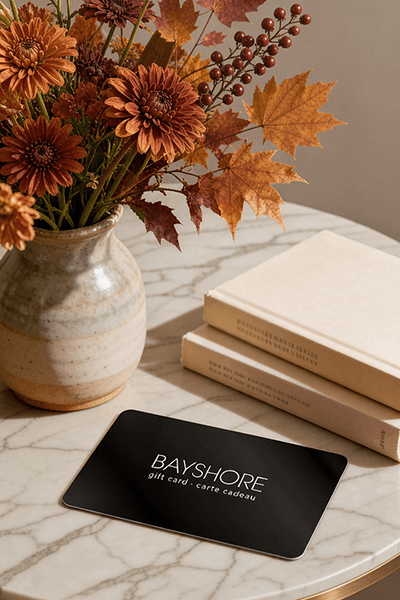
Too many options? Treat your friends and family to their favourite stores with a Bayshore Shopping Centre gift card, redeemable at participating retailers throughout the centre. Click below to purchase yours today!Purchase Here
*Product information may vary - to confirm product availability, pricing, shipping and return information please contact Coles
John Ruskin (1819-1900) was the leading English art critic of the Victorian era, as well as an art patron, draughtsman, watercolourist, philosopher, prominent social thinker and philanthropist. He wrote on subjects as varied as geology, architecture, myth, ornithology, literature, education, botany and political economy. His writing styles and literary forms were equally varied. He wrote essays and treatises, poetry and lectures, travel guides and manuals, letters and even a fairy tale. He also made detailed sketches and paintings of rocks, plants, birds, landscapes, architectural structures and ornamentation. The elaborate style that characterised his earliest writing on art gave way in time to plainer language designed to communicate his ideas more effectively. In all of his writing, he emphasised the connections between nature, art and society.
John Ruskin (1819-1900) was the leading English art critic of the Victorian era, as well as an art patron, draughtsman, watercolourist, philosopher, prominent social thinker and philanthropist. He wrote on subjects as varied as geology, architecture, myth, ornithology, literature, education, botany and political economy. His writing styles and literary forms were equally varied. He wrote essays and treatises, poetry and lectures, travel guides and manuals, letters and even a fairy tale. He also made detailed sketches and paintings of rocks, plants, birds, landscapes, architectural structures and ornamentation. The elaborate style that characterised his earliest writing on art gave way in time to plainer language designed to communicate his ideas more effectively. In all of his writing, he emphasised the connections between nature, art and society.
Coles is renowned for its outstanding customer service and great selection of books. Along with the vast array of magazines, stationary, audio-books, children's literature, fiction, non-fiction and reference books, you can find accessories to make your reading experience more pleasurable. We can recommend the very best in reading today. We will help you search our titles for exactly what you need, and if we do not have it in stock, we will order it for you.