

Give the Gift of Choice!
Too many options? Treat your friends and family to their favourite stores with a Bayshore Shopping Centre gift card, redeemable at participating retailers throughout the centre. Click below to purchase yours today!Purchase HereHome
The Qїrghїz Baatïr and the Russian Empire: A Portrait of a Local Intermediary in Russian Central Asia
Coles
Loading Inventory...
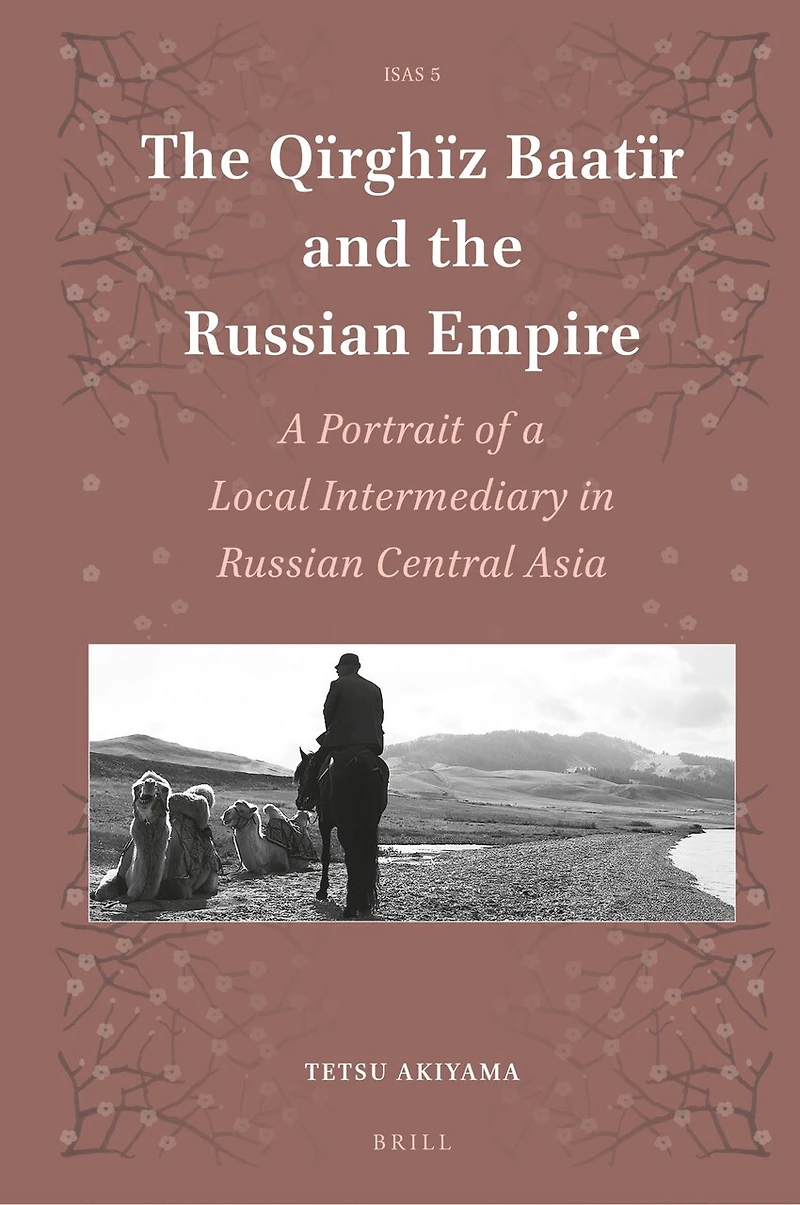
The Qїrghїz Baatïr and the Russian Empire: A Portrait of a Local Intermediary in Russian Central Asia in Ottawa, ON
Current price: $154.99

The Qїrghїz Baatïr and the Russian Empire: A Portrait of a Local Intermediary in Russian Central Asia in Ottawa, ON
Current price: $154.99
Loading Inventory...
Size: Hardcover
*Product information may vary - to confirm product availability, pricing, shipping and return information please contact Coles
In The Qїrghїz Baatïr and the Russian Empire Tetsu Akiyama gives a vivid description of the dynamism and dilemmas of empire-building in nomadic Central Asia from the mid-nineteenth to the early twentieth century, through reconstructing the biography of Shabdan Jantay uulu (ca. 1839–1912), a chieftain from the northern Qїrghїz (Kirghiz, Kyrgyz) tribes. Based on the comprehensive study of primary sources stored in the archives of Central Asian countries and Russia, Akiyama explores Shabdan’s intermediary role in the Russian Empire’s military advance and rule in southern Semirech’e and its surrounding regions. Beyond the commonly held stereotype as a “faithful collaborator” to Russia, he appears here as a flexible and tough leader who strategically faced and dealt with Russian dominance.
In The Qїrghїz Baatïr and the Russian Empire Tetsu Akiyama gives a vivid description of the dynamism and dilemmas of empire-building in nomadic Central Asia from the mid-nineteenth to the early twentieth century, through reconstructing the biography of Shabdan Jantay uulu (ca. 1839–1912), a chieftain from the northern Qїrghїz (Kirghiz, Kyrgyz) tribes. Based on the comprehensive study of primary sources stored in the archives of Central Asian countries and Russia, Akiyama explores Shabdan’s intermediary role in the Russian Empire’s military advance and rule in southern Semirech’e and its surrounding regions. Beyond the commonly held stereotype as a “faithful collaborator” to Russia, he appears here as a flexible and tough leader who strategically faced and dealt with Russian dominance.
You May Also Like










More About Coles at Bayshore Shopping Centre
Coles is renowned for its outstanding customer service and great selection of books. Along with the vast array of magazines, stationary, audio-books, children's literature, fiction, non-fiction and reference books, you can find accessories to make your reading experience more pleasurable. We can recommend the very best in reading today. We will help you search our titles for exactly what you need, and if we do not have it in stock, we will order it for you.
100 Bayshore Dr, Nepean, ON K2B 8C1, Canada
Find Coles at Bayshore Shopping Centre in Ottawa, ON
Visit Coles at Bayshore Shopping Centre in Ottawa, ON