

Give the Gift of Choice!
Too many options? Treat your friends and family to their favourite stores with a Bayshore Shopping Centre gift card, redeemable at participating retailers throughout the centre. Click below to purchase yours today!Purchase HereHome
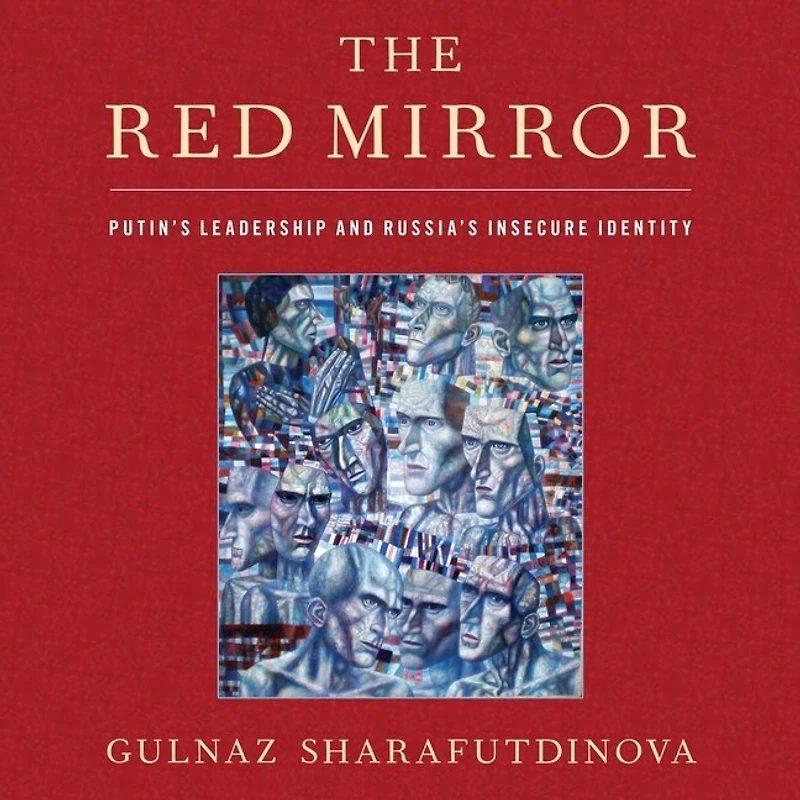
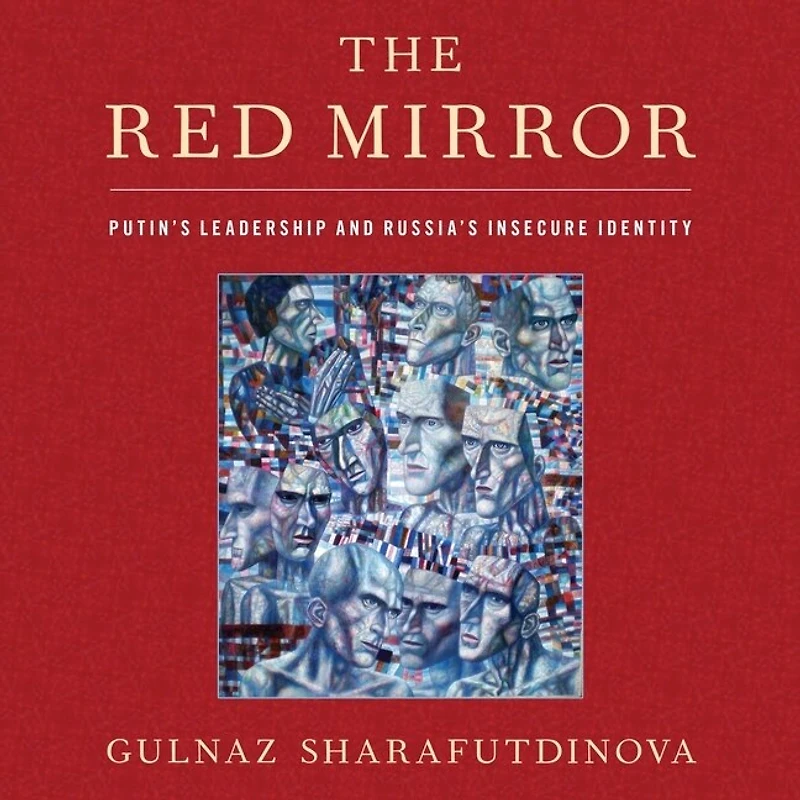
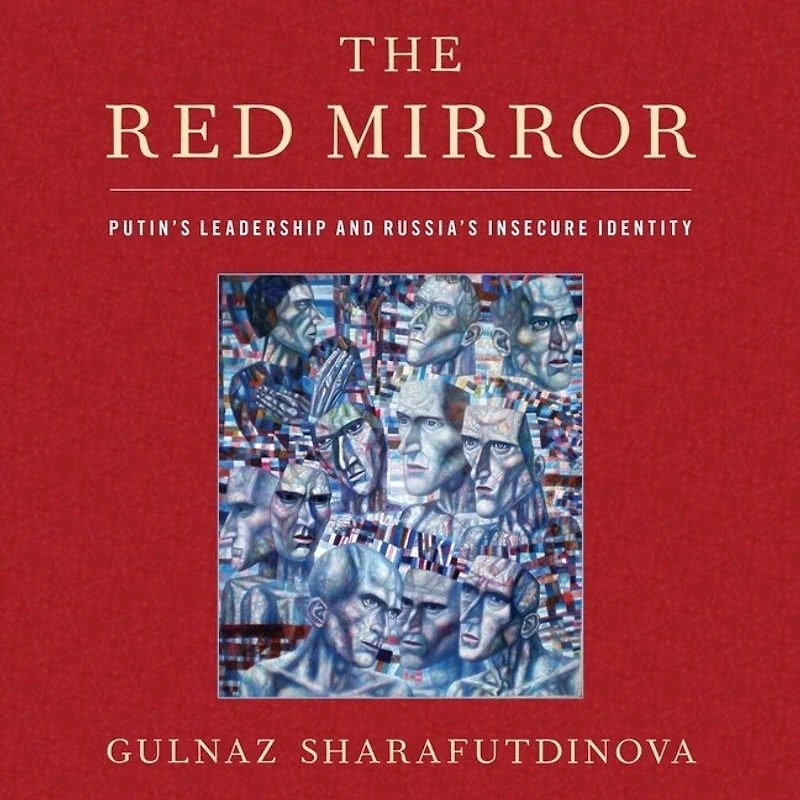
The Red Mirror: Putin's Leadership And Russia's Insecure Identity
Coles
Loading Inventory...
The Red Mirror: Putin's Leadership And Russia's Insecure Identity in Ottawa, ON
Current price: $93.95

The Red Mirror: Putin's Leadership And Russia's Insecure Identity in Ottawa, ON
Current price: $93.95
Loading Inventory...
Size: Audiobook (2021 A)
*Product information may vary - to confirm product availability, pricing, shipping and return information please contact Coles
What explains Putin's enduring popularity in Russia? In The Red Mirror , Gulnaz Sharafutdinova uses social identity theory to explain Putin's leadership. The main source of Putin's political influence, she finds, lies in how he articulates the shared collective perspective that unites many Russian citizens. Under his tenure, the Kremlin's media machine has tapped into powerful group emotions of shame and humiliation—derived from the Soviet transition in the 1990s—and has politicized national identity to transform these emotions into pride and patriotism. Culminating with the annexation of Crimea in 2014, this strategy of national identity politics is still the essence of Putin's leadership in Russia. But victimhood-based consolidation is also leading the country down the path of political confrontation and economic stagnation. To enable a cultural, social, and political revival in Russia, Sharafutdinova argues, political elites must instead focus on more constructively conceived ideas about the country's future. Integrating methods from history, political science, and social psychology, The Red Mirror offers the clearest picture yet of how the nation's majoritarian identity politics are playing out.
What explains Putin's enduring popularity in Russia? In The Red Mirror , Gulnaz Sharafutdinova uses social identity theory to explain Putin's leadership. The main source of Putin's political influence, she finds, lies in how he articulates the shared collective perspective that unites many Russian citizens. Under his tenure, the Kremlin's media machine has tapped into powerful group emotions of shame and humiliation—derived from the Soviet transition in the 1990s—and has politicized national identity to transform these emotions into pride and patriotism. Culminating with the annexation of Crimea in 2014, this strategy of national identity politics is still the essence of Putin's leadership in Russia. But victimhood-based consolidation is also leading the country down the path of political confrontation and economic stagnation. To enable a cultural, social, and political revival in Russia, Sharafutdinova argues, political elites must instead focus on more constructively conceived ideas about the country's future. Integrating methods from history, political science, and social psychology, The Red Mirror offers the clearest picture yet of how the nation's majoritarian identity politics are playing out.
You May Also Like








More About Coles at Bayshore Shopping Centre
Coles is renowned for its outstanding customer service and great selection of books. Along with the vast array of magazines, stationary, audio-books, children's literature, fiction, non-fiction and reference books, you can find accessories to make your reading experience more pleasurable. We can recommend the very best in reading today. We will help you search our titles for exactly what you need, and if we do not have it in stock, we will order it for you.
100 Bayshore Dr, Nepean, ON K2B 8C1, Canada
Find Coles at Bayshore Shopping Centre in Ottawa, ON
Visit Coles at Bayshore Shopping Centre in Ottawa, ON