

Give the Gift of Choice!
Too many options? Treat your friends and family to their favourite stores with a Bayshore Shopping Centre gift card, redeemable at participating retailers throughout the centre. Click below to purchase yours today!Purchase HereHome
the Reflexive Method Applied to Problem of God Lachelier and Lagneau
Coles
Loading Inventory...





the Reflexive Method Applied to Problem of God Lachelier and Lagneau in Ottawa, ON
Current price: $68.00

the Reflexive Method Applied to Problem of God Lachelier and Lagneau in Ottawa, ON
Current price: $68.00
Loading Inventory...
Size: Hardcover (2019)
*Product information may vary - to confirm product availability, pricing, shipping and return information please contact Coles
At publication date, a free ebook version of this title will be available through Luminos, University of California Press’s Open Access publishing program. Visit www.luminosoa.org to learn more.
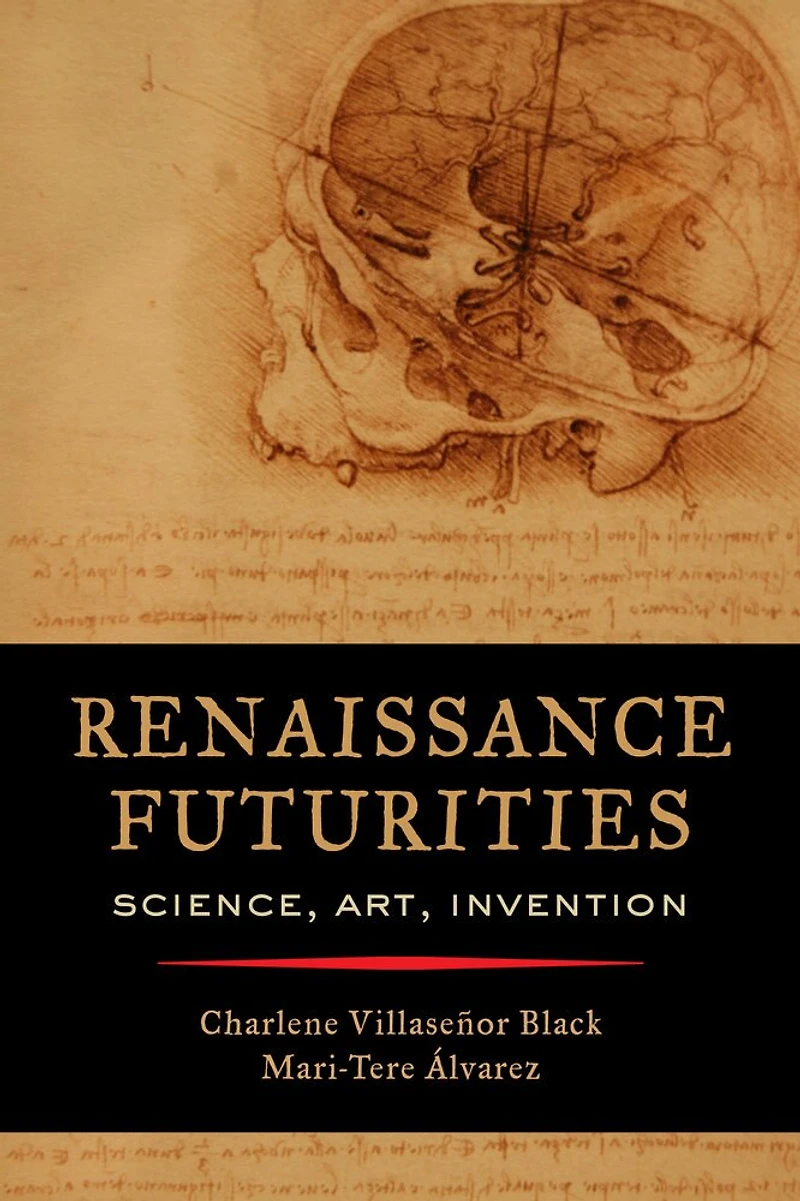
Renaissance Futurities considers the intersections between artistic rebirth, the new science, and European imperialism in the global early modern world. Charlene Villaseñor Black and Mari-Tere Álvarez take as inspiration the work of Renaissance genius Leonardo da Vinci (1452–1519), prolific artist and inventor, and other polymaths such as philosopher Giulio “Delminio” Camillo (1480–1544), physician and naturalist Francisco Hernández de Toledo (1514–1587), and writer Miguel de Cervantes (1547–1616). This concern with futurity is inspired by the Renaissance itself, a period defined by visions of the future, as well as by recent theorizing of temporality in Renaissance and Queer Studies. This transdisciplinary volume is at the cutting edge of the humanities, medical humanities, scientific discovery, and avant-garde artistic expression.
At publication date, a free ebook version of this title will be available through Luminos, University of California Press’s Open Access publishing program. Visit www.luminosoa.org to learn more.
Renaissance Futurities considers the intersections between artistic rebirth, the new science, and European imperialism in the global early modern world. Charlene Villaseñor Black and Mari-Tere Álvarez take as inspiration the work of Renaissance genius Leonardo da Vinci (1452–1519), prolific artist and inventor, and other polymaths such as philosopher Giulio “Delminio” Camillo (1480–1544), physician and naturalist Francisco Hernández de Toledo (1514–1587), and writer Miguel de Cervantes (1547–1616). This concern with futurity is inspired by the Renaissance itself, a period defined by visions of the future, as well as by recent theorizing of temporality in Renaissance and Queer Studies. This transdisciplinary volume is at the cutting edge of the humanities, medical humanities, scientific discovery, and avant-garde artistic expression.
You May Also Like

















More About Coles at Bayshore Shopping Centre
Coles is renowned for its outstanding customer service and great selection of books. Along with the vast array of magazines, stationary, audio-books, children's literature, fiction, non-fiction and reference books, you can find accessories to make your reading experience more pleasurable. We can recommend the very best in reading today. We will help you search our titles for exactly what you need, and if we do not have it in stock, we will order it for you.
100 Bayshore Dr, Nepean, ON K2B 8C1, Canada
Find Coles at Bayshore Shopping Centre in Ottawa, ON
Visit Coles at Bayshore Shopping Centre in Ottawa, ON