

Give the Gift of Choice!
Too many options? Treat your friends and family to their favourite stores with a Bayshore Shopping Centre gift card, redeemable at participating retailers throughout the centre. Click below to purchase yours today!Purchase HereHome
The Reproductive Bargain: Deciphering the Enigma of Japanese Capitalism
Coles
Loading Inventory...
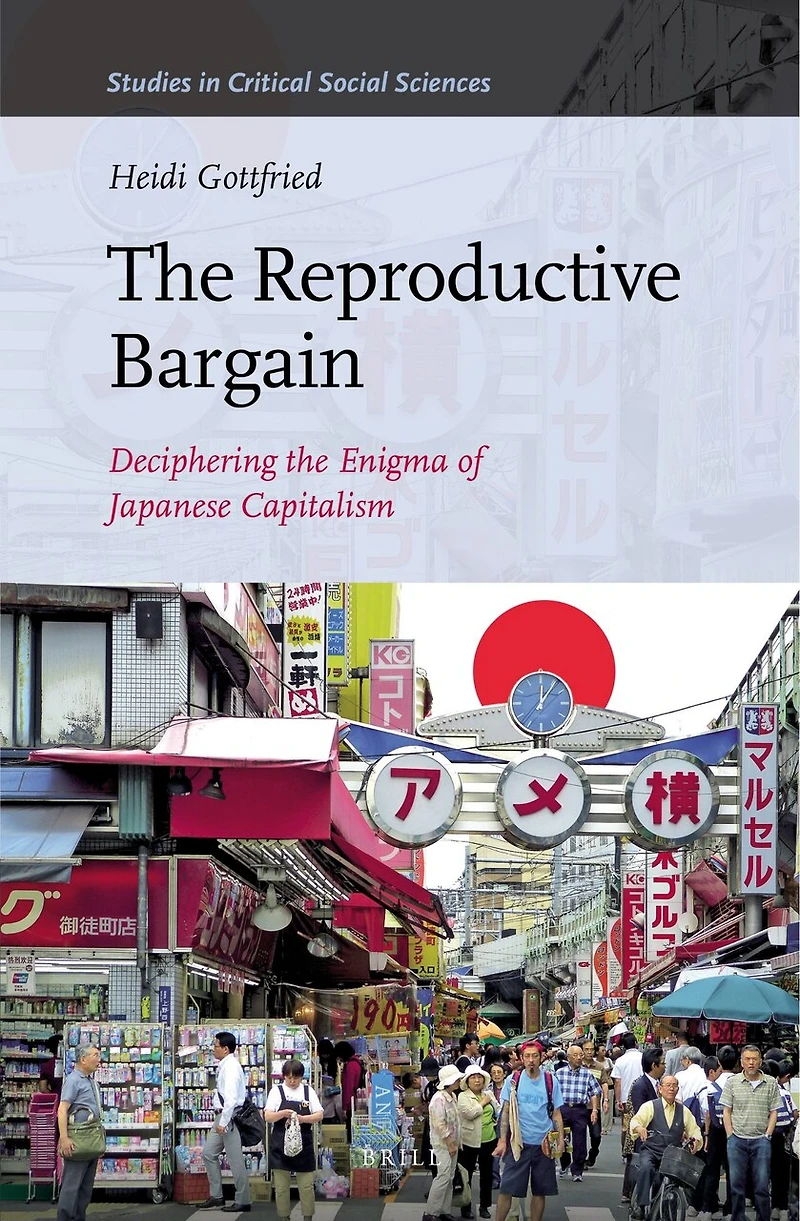
The Reproductive Bargain: Deciphering the Enigma of Japanese Capitalism in Ottawa, ON
Current price: $238.99

The Reproductive Bargain: Deciphering the Enigma of Japanese Capitalism in Ottawa, ON
Current price: $238.99
Loading Inventory...
Size: Hardcover
*Product information may vary - to confirm product availability, pricing, shipping and return information please contact Coles
The Reproductive Bargain reveals the institutional sources of labor insecurities behind Japan’s postwar employment system. This economic juggernaut’s decline cannot be understood without reference to the reproductive bargain. The historical terms of the reproductive bargain rests on the establishment of company citizenship in support of a standard employment relationship, privileging the male breadwinner in calculations for benefits in exchange for the salarymen working long hours in relatively secure jobs at the enterprise and relying on women’s unpaid reproductive labor in the family and increasingly on women’s waged work in nonstandard jobs. Such institutionalized relationships, formerly the engines of growth and stability, drag economic expansion and employment security. Gendering institutional analysis is a key to deciphering the enigma of Japanese capitalism.
The Reproductive Bargain reveals the institutional sources of labor insecurities behind Japan’s postwar employment system. This economic juggernaut’s decline cannot be understood without reference to the reproductive bargain. The historical terms of the reproductive bargain rests on the establishment of company citizenship in support of a standard employment relationship, privileging the male breadwinner in calculations for benefits in exchange for the salarymen working long hours in relatively secure jobs at the enterprise and relying on women’s unpaid reproductive labor in the family and increasingly on women’s waged work in nonstandard jobs. Such institutionalized relationships, formerly the engines of growth and stability, drag economic expansion and employment security. Gendering institutional analysis is a key to deciphering the enigma of Japanese capitalism.
You May Also Like

















More About Coles at Bayshore Shopping Centre
Coles is renowned for its outstanding customer service and great selection of books. Along with the vast array of magazines, stationary, audio-books, children's literature, fiction, non-fiction and reference books, you can find accessories to make your reading experience more pleasurable. We can recommend the very best in reading today. We will help you search our titles for exactly what you need, and if we do not have it in stock, we will order it for you.
100 Bayshore Dr, Nepean, ON K2B 8C1, Canada
Find Coles at Bayshore Shopping Centre in Ottawa, ON
Visit Coles at Bayshore Shopping Centre in Ottawa, ON