

Give the Gift of Choice!
Too many options? Treat your friends and family to their favourite stores with a Bayshore Shopping Centre gift card, redeemable at participating retailers throughout the centre. Click below to purchase yours today!Purchase HereHome
The Revolution that Failed: Nuclear Competition, Arms Control, and the Cold War
Coles
Loading Inventory...
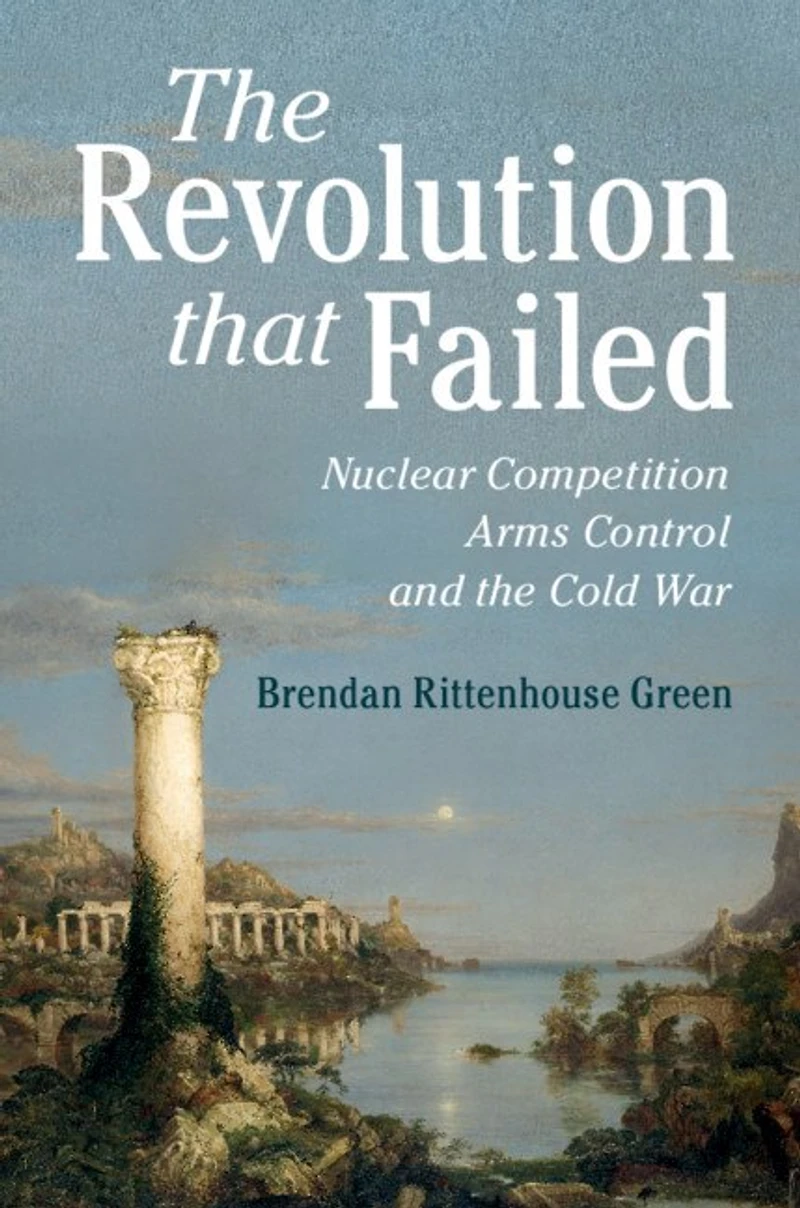
The Revolution that Failed: Nuclear Competition, Arms Control, and the Cold War in Ottawa, ON
Current price: $63.95

The Revolution that Failed: Nuclear Competition, Arms Control, and the Cold War in Ottawa, ON
Current price: $63.95
Loading Inventory...
Size: Hardcover
*Product information may vary - to confirm product availability, pricing, shipping and return information please contact Coles
The study of nuclear weapons is dominated by a single theory - that of the nuclear revolution, or mutual assured destruction (MAD). Although such theorists largely perceive nuclear competition as irrational and destined for eventual stalemate, the nuclear arms race between superpowers during the second half of the Cold War is a glaring anomaly that flies in the face of this logic. In this detailed historical account, Brendan Green presents an alternate theoretical explanation for how the United States navigated nuclear stalemate during the Cold War. Motivated by the theoretical and empirical puzzles of the Cold War arms race, Green explores the technological, perceptual, and 'constitutional fitness' incentives that were the driving forces behind US nuclear competition. Green hypothesizes that states can gain peacetime benefits from effective nuclear competition, reducing the risk of crises, bolstering alliance cohesion, and more. He concludes that the lessons of the Cold War arms race remain relevant today: they will influence the coming era of great power competition and could potentially lead to an upsurge in future US government nuclear competition.
The study of nuclear weapons is dominated by a single theory - that of the nuclear revolution, or mutual assured destruction (MAD). Although such theorists largely perceive nuclear competition as irrational and destined for eventual stalemate, the nuclear arms race between superpowers during the second half of the Cold War is a glaring anomaly that flies in the face of this logic. In this detailed historical account, Brendan Green presents an alternate theoretical explanation for how the United States navigated nuclear stalemate during the Cold War. Motivated by the theoretical and empirical puzzles of the Cold War arms race, Green explores the technological, perceptual, and 'constitutional fitness' incentives that were the driving forces behind US nuclear competition. Green hypothesizes that states can gain peacetime benefits from effective nuclear competition, reducing the risk of crises, bolstering alliance cohesion, and more. He concludes that the lessons of the Cold War arms race remain relevant today: they will influence the coming era of great power competition and could potentially lead to an upsurge in future US government nuclear competition.
You May Also Like







More About Coles at Bayshore Shopping Centre
Coles is renowned for its outstanding customer service and great selection of books. Along with the vast array of magazines, stationary, audio-books, children's literature, fiction, non-fiction and reference books, you can find accessories to make your reading experience more pleasurable. We can recommend the very best in reading today. We will help you search our titles for exactly what you need, and if we do not have it in stock, we will order it for you.
100 Bayshore Dr, Nepean, ON K2B 8C1, Canada
Find Coles at Bayshore Shopping Centre in Ottawa, ON
Visit Coles at Bayshore Shopping Centre in Ottawa, ON