

Give the Gift of Choice!
Too many options? Treat your friends and family to their favourite stores with a Bayshore Shopping Centre gift card, redeemable at participating retailers throughout the centre. Click below to purchase yours today!Purchase HereHome
The Right to the City: Popular Contention in Contemporary Buenos Aires
Coles
Loading Inventory...
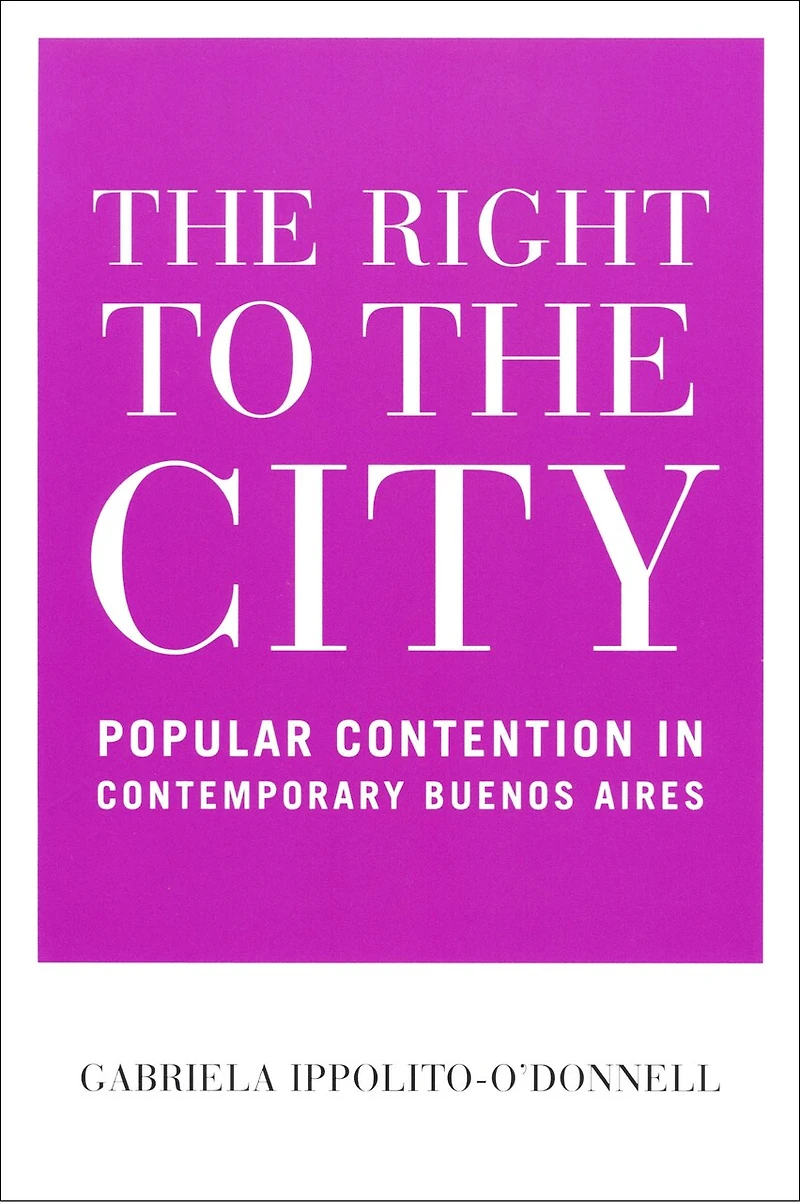
The Right to the City: Popular Contention in Contemporary Buenos Aires in Ottawa, ON
Current price: $168.95

The Right to the City: Popular Contention in Contemporary Buenos Aires in Ottawa, ON
Current price: $168.95
Loading Inventory...
Size: Hardcover
*Product information may vary - to confirm product availability, pricing, shipping and return information please contact Coles
Based on extensive, original fieldwork, as well as new survey data, The Right to the City contributes to the study of democratization by focusing on the dilemmas and opportunities of popular contention in the city of Buenos Aires. It also offers an excellent overview of the history of social mobilization in Argentina. Gabriela Ippolito-O’Donnell’s main assertion in this study is that through various channels of collective action and associational activities, as well as by voting, the urban popular sector is a fundamental actor in the pursuit of the expansion and consolidation of citizenship rights. Using both qualitative analysis and quantitative data, Ippolito-O’Donnell explores what factors—economic, politico-institutional, organizational, and subjective—account for the emergence in the 1980s, and collapse in the 1990s, of a wave of grassroots popular organizations in Villa Lugano, a poor neighborhood located in the south of Buenos Aires. She identifies factors crucial for explaining the organizational weakness and concomitant cyclical patterns of collective action by the urban poor, as well as the consequences for alleviating poverty and inequality in this newly democratized nation.
Based on extensive, original fieldwork, as well as new survey data, The Right to the City contributes to the study of democratization by focusing on the dilemmas and opportunities of popular contention in the city of Buenos Aires. It also offers an excellent overview of the history of social mobilization in Argentina. Gabriela Ippolito-O’Donnell’s main assertion in this study is that through various channels of collective action and associational activities, as well as by voting, the urban popular sector is a fundamental actor in the pursuit of the expansion and consolidation of citizenship rights. Using both qualitative analysis and quantitative data, Ippolito-O’Donnell explores what factors—economic, politico-institutional, organizational, and subjective—account for the emergence in the 1980s, and collapse in the 1990s, of a wave of grassroots popular organizations in Villa Lugano, a poor neighborhood located in the south of Buenos Aires. She identifies factors crucial for explaining the organizational weakness and concomitant cyclical patterns of collective action by the urban poor, as well as the consequences for alleviating poverty and inequality in this newly democratized nation.
You May Also Like
















More About Coles at Bayshore Shopping Centre
Coles is renowned for its outstanding customer service and great selection of books. Along with the vast array of magazines, stationary, audio-books, children's literature, fiction, non-fiction and reference books, you can find accessories to make your reading experience more pleasurable. We can recommend the very best in reading today. We will help you search our titles for exactly what you need, and if we do not have it in stock, we will order it for you.
100 Bayshore Dr, Nepean, ON K2B 8C1, Canada
Find Coles at Bayshore Shopping Centre in Ottawa, ON
Visit Coles at Bayshore Shopping Centre in Ottawa, ON