

Give the Gift of Choice!
Too many options? Treat your friends and family to their favourite stores with a Bayshore Shopping Centre gift card, redeemable at participating retailers throughout the centre. Click below to purchase yours today!Purchase HereHome
The Rise and Demise of the Myth of the Rus’ Land
Coles
Loading Inventory...
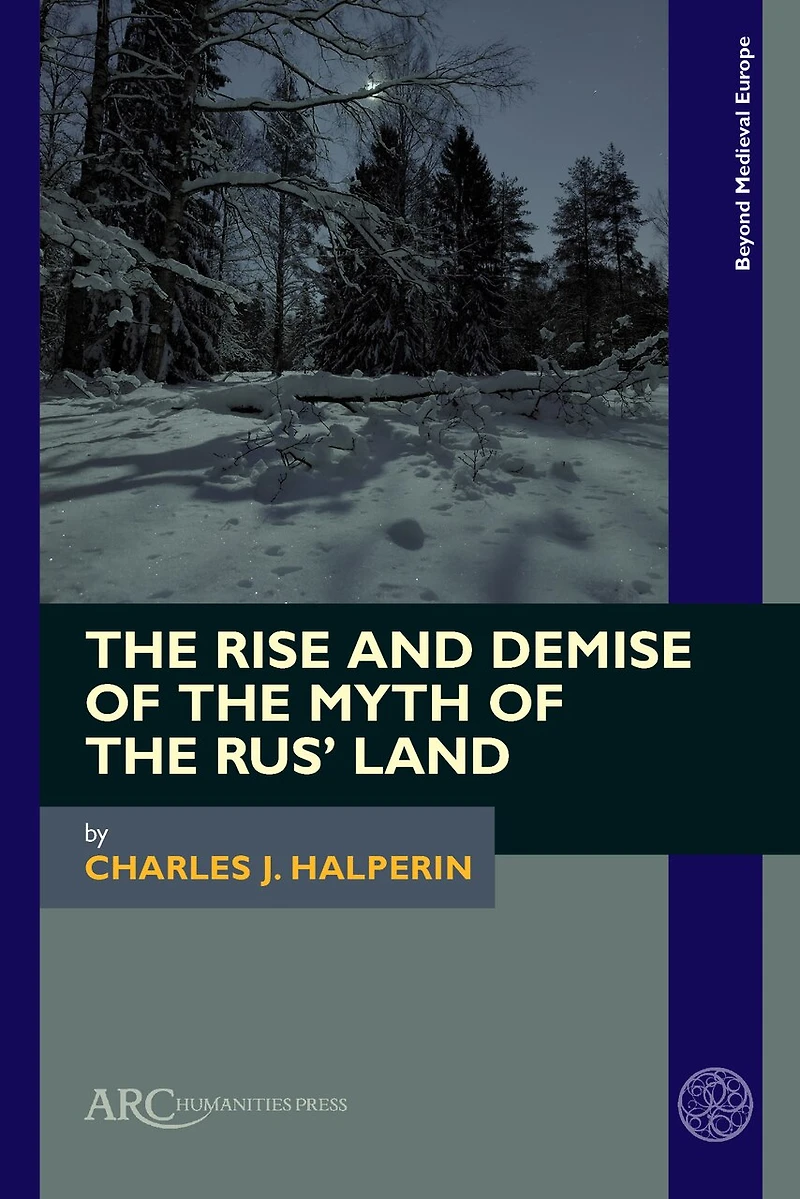
The Rise and Demise of the Myth of the Rus’ Land in Ottawa, ON
Current price: $48.95

The Rise and Demise of the Myth of the Rus’ Land in Ottawa, ON
Current price: $48.95
Loading Inventory...
Size: Paperback
*Product information may vary - to confirm product availability, pricing, shipping and return information please contact Coles
The concept of the Rus’ Land ( russkaia zemlia ) became and remained an historical myth of modern Russian nationalism as the equivalent of “Russia,” but it was actually a political myth, manipulated to provide legitimacy. Its meaning was dynastic—territories ruled by a member of the Riurikid/Volodimerovich princely clan. This book traces the history of its use from the tenth to the seventeenth century, outlining its changing religious (pagan to Christian) and geographic elements (from the Dnieper River valley in Ukraine in Kievan Rus’ to Muscovy in Russia) and considers alternative “land” concepts which failed to rise to the ideological heights of the Rus’ Land. Although the Rus’ Land was never an ethnic or national concept, and never expanded its appeal beyond an elite lay and clerical audience, understanding its evolution sheds light upon the cultural and intellectual history of the medieval and early modern East Slavs.
The concept of the Rus’ Land ( russkaia zemlia ) became and remained an historical myth of modern Russian nationalism as the equivalent of “Russia,” but it was actually a political myth, manipulated to provide legitimacy. Its meaning was dynastic—territories ruled by a member of the Riurikid/Volodimerovich princely clan. This book traces the history of its use from the tenth to the seventeenth century, outlining its changing religious (pagan to Christian) and geographic elements (from the Dnieper River valley in Ukraine in Kievan Rus’ to Muscovy in Russia) and considers alternative “land” concepts which failed to rise to the ideological heights of the Rus’ Land. Although the Rus’ Land was never an ethnic or national concept, and never expanded its appeal beyond an elite lay and clerical audience, understanding its evolution sheds light upon the cultural and intellectual history of the medieval and early modern East Slavs.
You May Also Like








More About Coles at Bayshore Shopping Centre
Coles is renowned for its outstanding customer service and great selection of books. Along with the vast array of magazines, stationary, audio-books, children's literature, fiction, non-fiction and reference books, you can find accessories to make your reading experience more pleasurable. We can recommend the very best in reading today. We will help you search our titles for exactly what you need, and if we do not have it in stock, we will order it for you.
100 Bayshore Dr, Nepean, ON K2B 8C1, Canada
Find Coles at Bayshore Shopping Centre in Ottawa, ON
Visit Coles at Bayshore Shopping Centre in Ottawa, ON