

Give the Gift of Choice!
Too many options? Treat your friends and family to their favourite stores with a Bayshore Shopping Centre gift card, redeemable at participating retailers throughout the centre. Click below to purchase yours today!Purchase HereHome
The Rise and Fall of the Italian Economy
Coles
Loading Inventory...
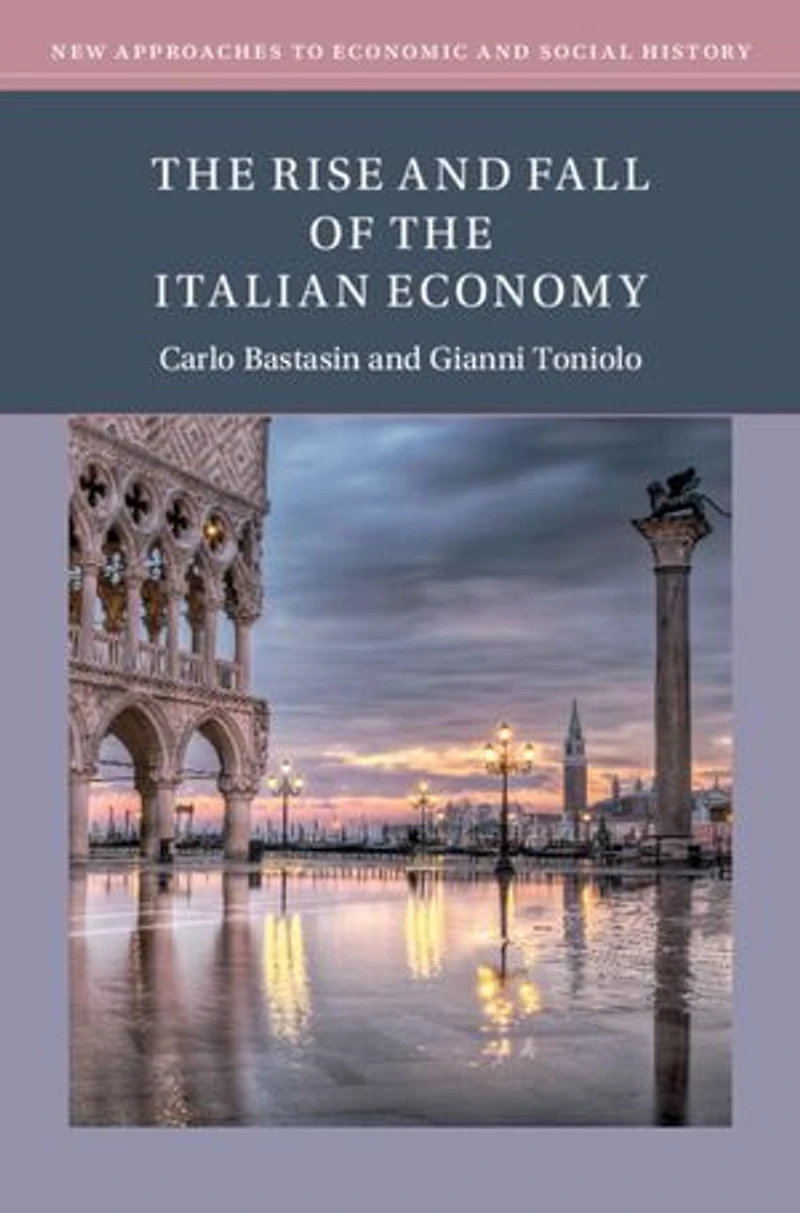
The Rise and Fall of the Italian Economy in Ottawa, ON
Current price: $28.79
Original price: $35.95

The Rise and Fall of the Italian Economy in Ottawa, ON
Current price: $28.79
Original price: $35.95
Loading Inventory...
Size: Kobo eBook
*Product information may vary - to confirm product availability, pricing, shipping and return information please contact Coles
Carlo Bastasin and Gianni Toniolo provide a much-needed, up-to-date economic history of Italy from unification in 1861 to the present day. They show how, thirty years after unification, Italy began a long phase of convergence with more advanced economies so that by the late twentieth century Italy's per capita income reached the levels of Germany, France and the UK. From the mid-1990s, however, the Italian economy declined first in relative and then absolute terms. The authors describe the intertwined financial and institutional crises that eroded trust in the political system and in the economy at the exact juncture when new technologies and markets transformed the global economy. Longstanding problems of uneven levels of education and obsolete bureaucratic and judicial practices deepened the division between economically vibrant regions and the rest, causing polarization, political instability and rising public debt. Italy's contemporary malaise makes the country a test-case for understanding the implications of protracted declines in productivity and the flattening of GDP growth for the stability of western democracies, resulting in populism, mistrust and political instability.
Carlo Bastasin and Gianni Toniolo provide a much-needed, up-to-date economic history of Italy from unification in 1861 to the present day. They show how, thirty years after unification, Italy began a long phase of convergence with more advanced economies so that by the late twentieth century Italy's per capita income reached the levels of Germany, France and the UK. From the mid-1990s, however, the Italian economy declined first in relative and then absolute terms. The authors describe the intertwined financial and institutional crises that eroded trust in the political system and in the economy at the exact juncture when new technologies and markets transformed the global economy. Longstanding problems of uneven levels of education and obsolete bureaucratic and judicial practices deepened the division between economically vibrant regions and the rest, causing polarization, political instability and rising public debt. Italy's contemporary malaise makes the country a test-case for understanding the implications of protracted declines in productivity and the flattening of GDP growth for the stability of western democracies, resulting in populism, mistrust and political instability.
You May Also Like















More About Coles at Bayshore Shopping Centre
Coles is renowned for its outstanding customer service and great selection of books. Along with the vast array of magazines, stationary, audio-books, children's literature, fiction, non-fiction and reference books, you can find accessories to make your reading experience more pleasurable. We can recommend the very best in reading today. We will help you search our titles for exactly what you need, and if we do not have it in stock, we will order it for you.
100 Bayshore Dr, Nepean, ON K2B 8C1, Canada
Find Coles at Bayshore Shopping Centre in Ottawa, ON
Visit Coles at Bayshore Shopping Centre in Ottawa, ON