

Give the Gift of Choice!
Too many options? Treat your friends and family to their favourite stores with a Bayshore Shopping Centre gift card, redeemable at participating retailers throughout the centre. Click below to purchase yours today!Purchase HereHome
The Role of Technology CSCL: Studies Enhanced Collaborative Learning
Coles
Loading Inventory...
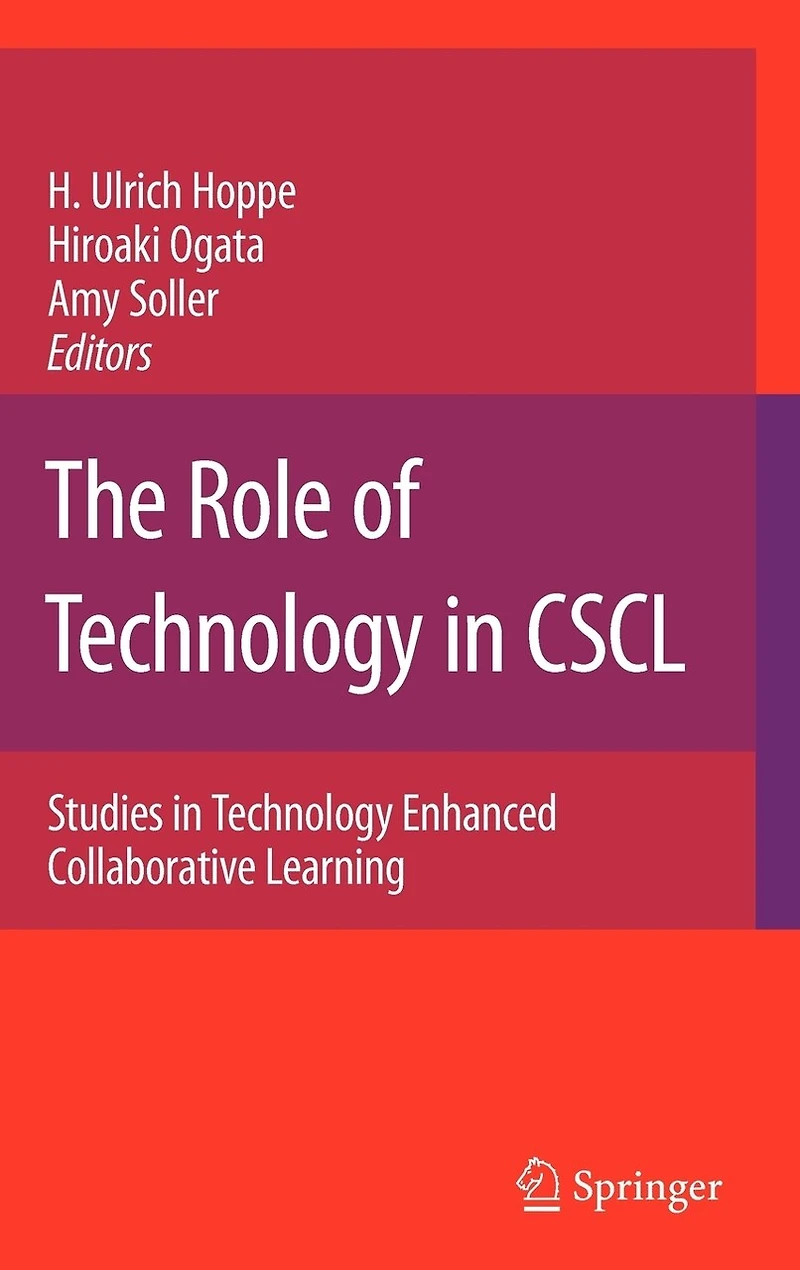
The Role of Technology CSCL: Studies Enhanced Collaborative Learning in Ottawa, ON
Current price: $160.95

The Role of Technology CSCL: Studies Enhanced Collaborative Learning in Ottawa, ON
Current price: $160.95
Loading Inventory...
Size: Hardcover
*Product information may vary - to confirm product availability, pricing, shipping and return information please contact Coles
This book relates "new" information and communication technologies (ICT) to their specific teaching and learning functions, in particular how ICT is appropriated for and/or by educational or learning communities. We categorize consumer-oriented educational multimedia as established technologies, not of primary importance for innovative approaches to collaborative learning. Internet connections in schools and academic institutions are no longer new, though the learning culture originating from this technology may still lack a sufficiently rich definition. The technological "hot spots" of interest in this book are in turn: groupware or multi-user technologies such as group archives or synchronous co-construction environments, embedded interactive technologies in the spirit of ubiquitous computing, and modeling tools based on rich representations. Important features of these new technologies are: the move from individually oriented software tools to multi-user tools providing group awareness as well as facilities for the co-construction of knowledge; a definition of software use beyond a single piece of software towards multiple applications or tools which are not only technically interoperable but also task and role compliant in a social situation (social interoperability); high interactivity and creative potential with high productive activity and initiative on the part of the user (as opposed to the receptive scheme of usage of many educational multimedia applications); new kinds of peripherals in the spirit "of ubiquitous computing and augmented reality", which allow for redefining the borderline between physical action on the one hand and virtual or symbolic on the other.
This book relates "new" information and communication technologies (ICT) to their specific teaching and learning functions, in particular how ICT is appropriated for and/or by educational or learning communities. We categorize consumer-oriented educational multimedia as established technologies, not of primary importance for innovative approaches to collaborative learning. Internet connections in schools and academic institutions are no longer new, though the learning culture originating from this technology may still lack a sufficiently rich definition. The technological "hot spots" of interest in this book are in turn: groupware or multi-user technologies such as group archives or synchronous co-construction environments, embedded interactive technologies in the spirit of ubiquitous computing, and modeling tools based on rich representations. Important features of these new technologies are: the move from individually oriented software tools to multi-user tools providing group awareness as well as facilities for the co-construction of knowledge; a definition of software use beyond a single piece of software towards multiple applications or tools which are not only technically interoperable but also task and role compliant in a social situation (social interoperability); high interactivity and creative potential with high productive activity and initiative on the part of the user (as opposed to the receptive scheme of usage of many educational multimedia applications); new kinds of peripherals in the spirit "of ubiquitous computing and augmented reality", which allow for redefining the borderline between physical action on the one hand and virtual or symbolic on the other.
You May Also Like










More About Coles at Bayshore Shopping Centre
Coles is renowned for its outstanding customer service and great selection of books. Along with the vast array of magazines, stationary, audio-books, children's literature, fiction, non-fiction and reference books, you can find accessories to make your reading experience more pleasurable. We can recommend the very best in reading today. We will help you search our titles for exactly what you need, and if we do not have it in stock, we will order it for you.
100 Bayshore Dr, Nepean, ON K2B 8C1, Canada
Find Coles at Bayshore Shopping Centre in Ottawa, ON
Visit Coles at Bayshore Shopping Centre in Ottawa, ON