

Give the Gift of Choice!
Too many options? Treat your friends and family to their favourite stores with a Bayshore Shopping Centre gift card, redeemable at participating retailers throughout the centre. Click below to purchase yours today!Purchase HereHome
The Routledge Handbook of Postcolonial Disability Studies
Coles
Loading Inventory...
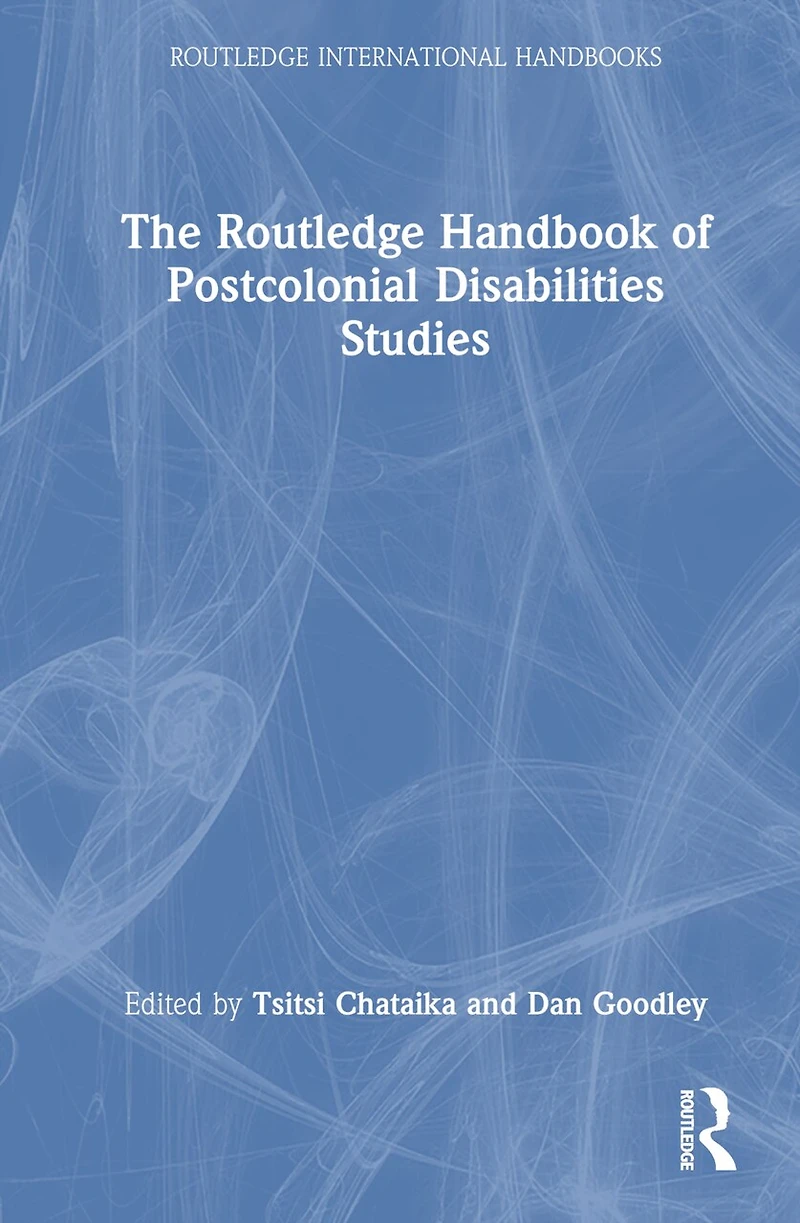
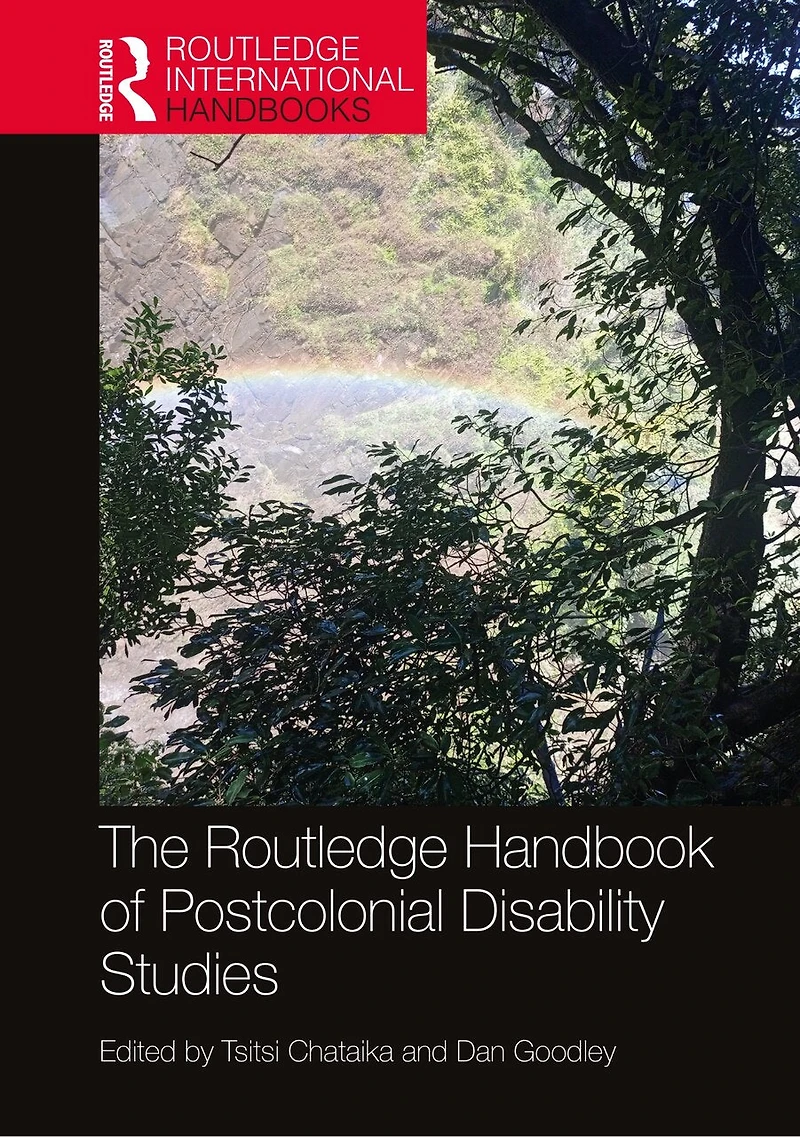
The Routledge Handbook of Postcolonial Disability Studies in Ottawa, ON
Current price: $518.50

The Routledge Handbook of Postcolonial Disability Studies in Ottawa, ON
Current price: $518.50
Loading Inventory...
Size: Hardcover
*Product information may vary - to confirm product availability, pricing, shipping and return information please contact Coles
This book centres and explores postcolonial theory, which looks at issues of power, economics, politics, religion and culture and how these elements work in relation to colonial supremacy. It argues that disability is a constitutive material presence in many postcolonial societies and that progressive disability politics arise from postcolonial concerns. By drawing these two subjects together, this handbook challenges oppression, voicelessness, stereotyping, undermining, neo-colonisation and postcolonisation and bridges binary debate between global North and the global South. The book is divided into eight sections
Setting the Scene
Decolonising Disability Studies
Postcolonial Theory, Inclusive Development
Postcolonial Disability Studies and Disability Activism
Postcolonial Disability and Childhood Studies
Postcolonial Disability Studies and Education
Postcolonial Disability Studies, Gender, Race and Religion
Conclusion
And comprised of 27 newly written chapters, this book leads with postcolonial perspectives - closely followed by an engagement with critical disability studies - with the explicit aim of foregrounding these contributions; pulling them in from the edges of empirical and theoretical work where they often reside in mainstream academic literature. The book will be of interest to all scholars and students of disability studies and postcolonial studies as well as those working in sociology, literature and development studies.
This book centres and explores postcolonial theory, which looks at issues of power, economics, politics, religion and culture and how these elements work in relation to colonial supremacy. It argues that disability is a constitutive material presence in many postcolonial societies and that progressive disability politics arise from postcolonial concerns. By drawing these two subjects together, this handbook challenges oppression, voicelessness, stereotyping, undermining, neo-colonisation and postcolonisation and bridges binary debate between global North and the global South. The book is divided into eight sections
Setting the Scene
Decolonising Disability Studies
Postcolonial Theory, Inclusive Development
Postcolonial Disability Studies and Disability Activism
Postcolonial Disability and Childhood Studies
Postcolonial Disability Studies and Education
Postcolonial Disability Studies, Gender, Race and Religion
Conclusion
And comprised of 27 newly written chapters, this book leads with postcolonial perspectives - closely followed by an engagement with critical disability studies - with the explicit aim of foregrounding these contributions; pulling them in from the edges of empirical and theoretical work where they often reside in mainstream academic literature. The book will be of interest to all scholars and students of disability studies and postcolonial studies as well as those working in sociology, literature and development studies.
You May Also Like











More About Coles at Bayshore Shopping Centre
Coles is renowned for its outstanding customer service and great selection of books. Along with the vast array of magazines, stationary, audio-books, children's literature, fiction, non-fiction and reference books, you can find accessories to make your reading experience more pleasurable. We can recommend the very best in reading today. We will help you search our titles for exactly what you need, and if we do not have it in stock, we will order it for you.
100 Bayshore Dr, Nepean, ON K2B 8C1, Canada
Find Coles at Bayshore Shopping Centre in Ottawa, ON
Visit Coles at Bayshore Shopping Centre in Ottawa, ON