

Give the Gift of Choice!
Too many options? Treat your friends and family to their favourite stores with a Bayshore Shopping Centre gift card, redeemable at participating retailers throughout the centre. Click below to purchase yours today!Purchase HereHome
The Routledge Handbook of Second Language Acquisition and Neurolinguistics
Coles
Loading Inventory...
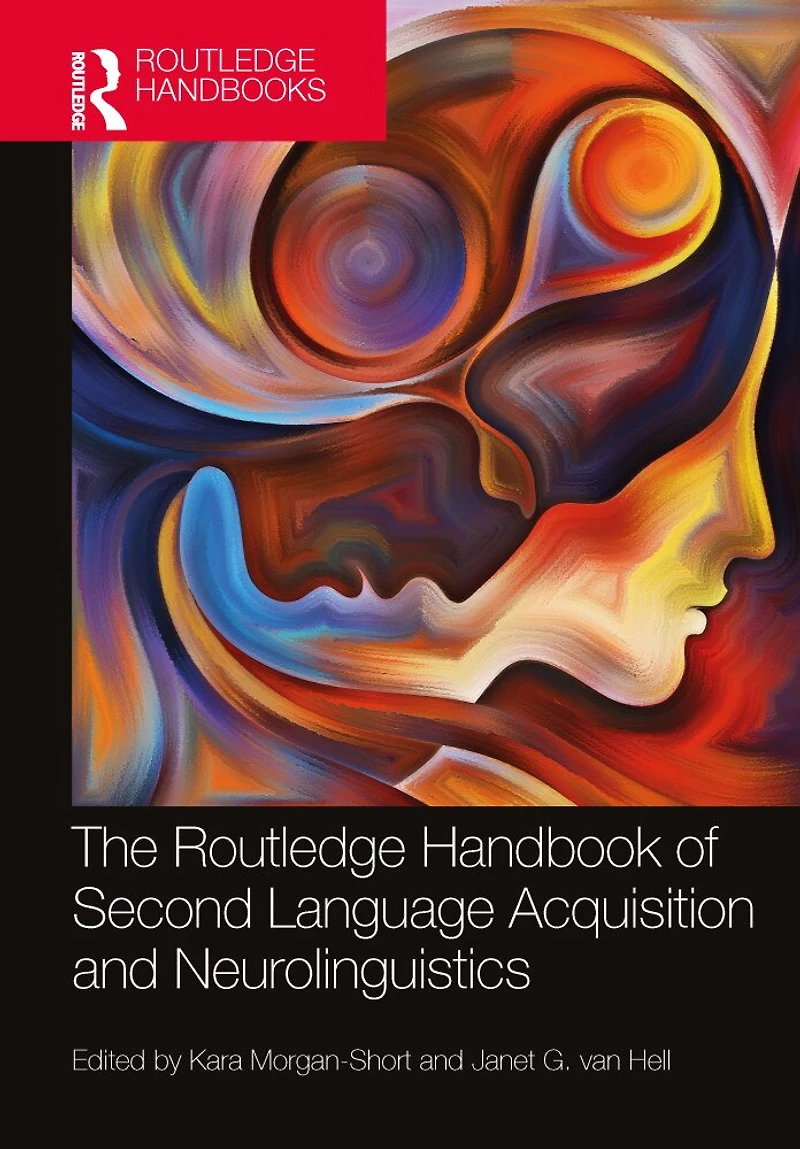
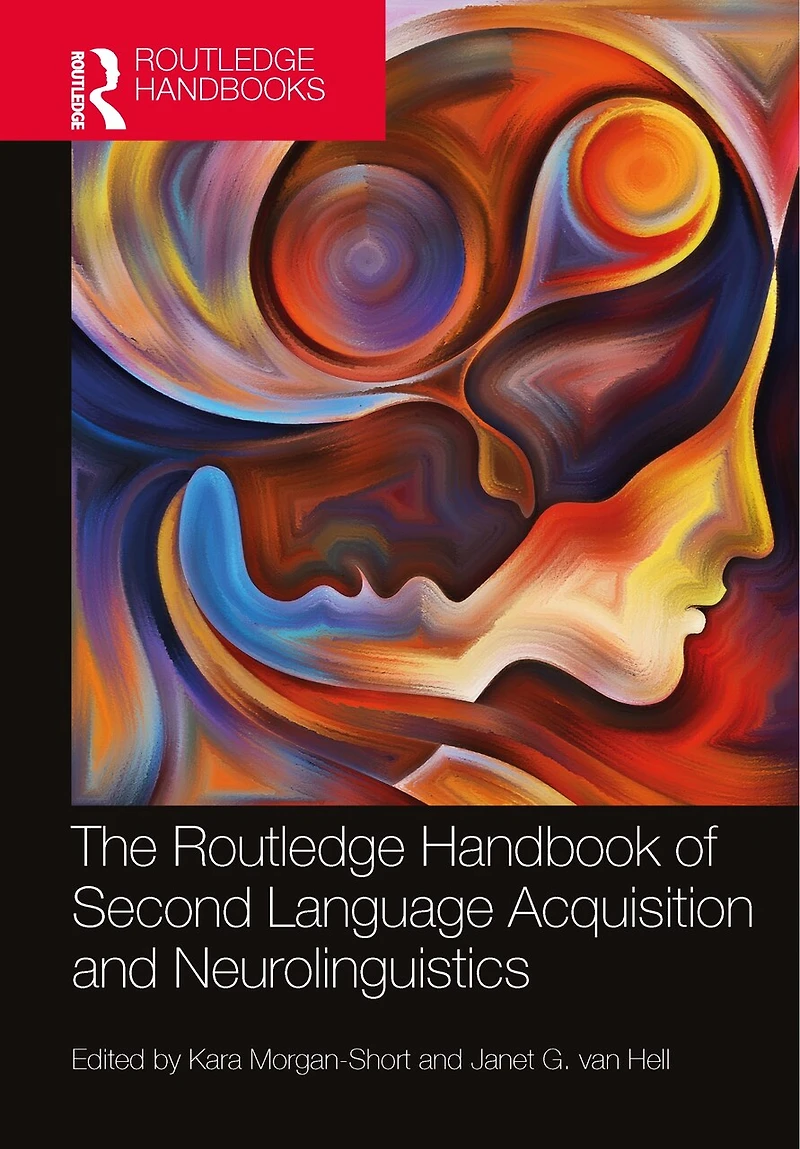
The Routledge Handbook of Second Language Acquisition and Neurolinguistics in Ottawa, ON
Current price: $481.50

The Routledge Handbook of Second Language Acquisition and Neurolinguistics in Ottawa, ON
Current price: $481.50
Loading Inventory...
Size: Hardcover
*Product information may vary - to confirm product availability, pricing, shipping and return information please contact Coles
The Routledge Handbook of Second Language Acquisition and Neurolinguistics provides a comprehensive discussion of a wide range of neurocognitive and neurobiological scientific research about learning second or additional languages. It is a one-of-a-kind centralized resource that brings together research that is typically found in disperse publication venues. Eminent global scholars from various disciplines synthesize and cross-fertilize current and past neural research about second language through systematic, in-depth, and timely chapters that discuss cores issues for understanding the neurocognition of second language learning, representation, and processing. Handbook sections provide overviews of extant and emerging neuroscience methods, syntheses of neurocognitive research on second language syntax, morphosyntax, lexicon, phonology, and pragmatics, and up-to-date descriptions of theoretical approaches of the neural basis of second language learning. The volume provides additional sections that synthesize research on a variety of topics including factors that affect the neurocognition of second language, the neural mechanisms underlying second language learning, individual differences in the neurocognition of second language, as well as research on understudied languages and populations, such as sign language, child second language learners, and individuals with aphasia. This handbook will be an indispensable resource to scholars and students across a wide range of disciplines, including those interested in second language acquisition, applied linguistics, cognitive science, psychology, neuroscience, and research methodology. It should facilitate transformative connections between ideas and disciplines and lead to informative and productive paths for future research.
The Routledge Handbook of Second Language Acquisition and Neurolinguistics provides a comprehensive discussion of a wide range of neurocognitive and neurobiological scientific research about learning second or additional languages. It is a one-of-a-kind centralized resource that brings together research that is typically found in disperse publication venues. Eminent global scholars from various disciplines synthesize and cross-fertilize current and past neural research about second language through systematic, in-depth, and timely chapters that discuss cores issues for understanding the neurocognition of second language learning, representation, and processing. Handbook sections provide overviews of extant and emerging neuroscience methods, syntheses of neurocognitive research on second language syntax, morphosyntax, lexicon, phonology, and pragmatics, and up-to-date descriptions of theoretical approaches of the neural basis of second language learning. The volume provides additional sections that synthesize research on a variety of topics including factors that affect the neurocognition of second language, the neural mechanisms underlying second language learning, individual differences in the neurocognition of second language, as well as research on understudied languages and populations, such as sign language, child second language learners, and individuals with aphasia. This handbook will be an indispensable resource to scholars and students across a wide range of disciplines, including those interested in second language acquisition, applied linguistics, cognitive science, psychology, neuroscience, and research methodology. It should facilitate transformative connections between ideas and disciplines and lead to informative and productive paths for future research.
You May Also Like
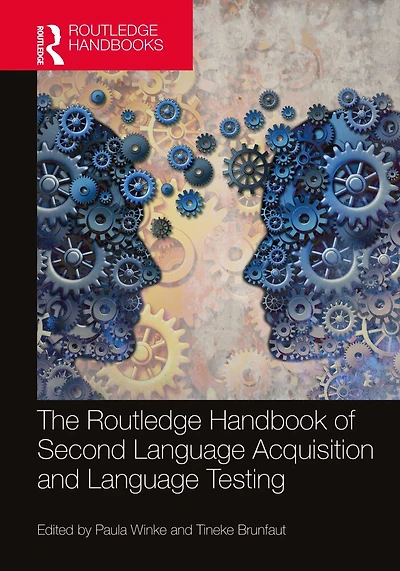















More About Coles at Bayshore Shopping Centre
Coles is renowned for its outstanding customer service and great selection of books. Along with the vast array of magazines, stationary, audio-books, children's literature, fiction, non-fiction and reference books, you can find accessories to make your reading experience more pleasurable. We can recommend the very best in reading today. We will help you search our titles for exactly what you need, and if we do not have it in stock, we will order it for you.
100 Bayshore Dr, Nepean, ON K2B 8C1, Canada
Find Coles at Bayshore Shopping Centre in Ottawa, ON
Visit Coles at Bayshore Shopping Centre in Ottawa, ON