

Give the Gift of Choice!
Too many options? Treat your friends and family to their favourite stores with a Bayshore Shopping Centre gift card, redeemable at participating retailers throughout the centre. Click below to purchase yours today!Purchase HereHome
The Royal Highland Fusiliers: A Concise History
Coles
Loading Inventory...
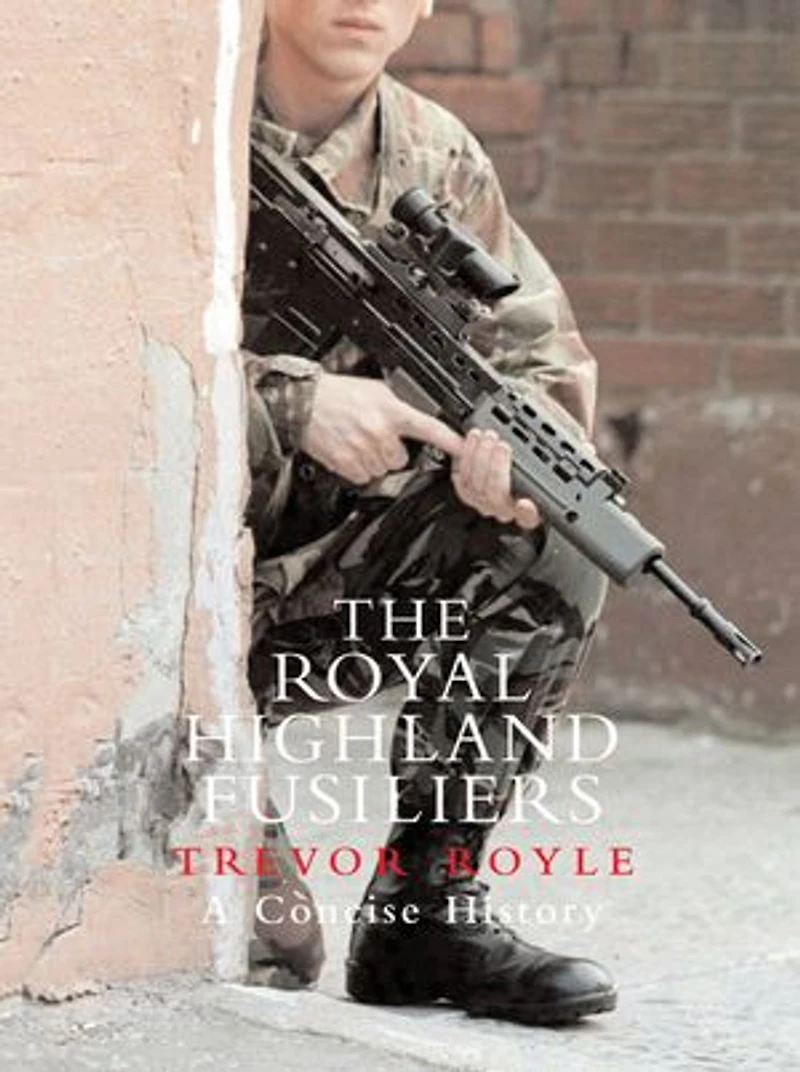
The Royal Highland Fusiliers: A Concise History in Ottawa, ON
Current price: $17.99

The Royal Highland Fusiliers: A Concise History in Ottawa, ON
Current price: $17.99
Loading Inventory...
Size: Kobo eBook
*Product information may vary - to confirm product availability, pricing, shipping and return information please contact Coles
The Royal Highland Fusiliers came into being in 1959 as a result of the amalgamation of two regiments, both of which had strong connections with Glasgow and the west of Scotland: The Royal Scots Fusiliers, founded in 1678 by Charles Erskine, fifth Earl of Mar; and The Highland Light Infantry, or HLI, created in 1881 as a result of the amalgamation of the 71st Highlanders and the 74th Highlanders.
Two distinctive infantry traditions can be found in the names of these regiments, which have helped to form the line infantry regiments of the British Army. Fusiliers were armed with the flintlock fusil instead of the more common matchlock musket, and light infantry came into being during the Napoleonic Wars to provide the army with a corps of skirmishing sharpshooters similar to Austrian and German Jäger troops.
Amongst those who have served as fusiliers or light infantrymen are Hugh Trenchard, who became Air Chief Marshal of the Royal Air Force, Winston Churchill and David Niven, who joined the HLI from Sandhurst in the inter-war years. All these traditions and personalities went into the making of a regiment whose name lives on in the 2nd battalion of The Royal Regiment of Scotland, which was formed in 2006 as a result of the restructuring of the infantry regiments of the British Army.
The Royal Highland Fusiliers came into being in 1959 as a result of the amalgamation of two regiments, both of which had strong connections with Glasgow and the west of Scotland: The Royal Scots Fusiliers, founded in 1678 by Charles Erskine, fifth Earl of Mar; and The Highland Light Infantry, or HLI, created in 1881 as a result of the amalgamation of the 71st Highlanders and the 74th Highlanders.
Two distinctive infantry traditions can be found in the names of these regiments, which have helped to form the line infantry regiments of the British Army. Fusiliers were armed with the flintlock fusil instead of the more common matchlock musket, and light infantry came into being during the Napoleonic Wars to provide the army with a corps of skirmishing sharpshooters similar to Austrian and German Jäger troops.
Amongst those who have served as fusiliers or light infantrymen are Hugh Trenchard, who became Air Chief Marshal of the Royal Air Force, Winston Churchill and David Niven, who joined the HLI from Sandhurst in the inter-war years. All these traditions and personalities went into the making of a regiment whose name lives on in the 2nd battalion of The Royal Regiment of Scotland, which was formed in 2006 as a result of the restructuring of the infantry regiments of the British Army.
You May Also Like







More About Coles at Bayshore Shopping Centre
Coles is renowned for its outstanding customer service and great selection of books. Along with the vast array of magazines, stationary, audio-books, children's literature, fiction, non-fiction and reference books, you can find accessories to make your reading experience more pleasurable. We can recommend the very best in reading today. We will help you search our titles for exactly what you need, and if we do not have it in stock, we will order it for you.
100 Bayshore Dr, Nepean, ON K2B 8C1, Canada
Find Coles at Bayshore Shopping Centre in Ottawa, ON
Visit Coles at Bayshore Shopping Centre in Ottawa, ON