

Give the Gift of Choice!
Too many options? Treat your friends and family to their favourite stores with a Bayshore Shopping Centre gift card, redeemable at participating retailers throughout the centre. Click below to purchase yours today!Purchase HereHome
The Self-Donation of God: A Contemporary Lutheran Approach to Christ and His Benefits
Coles
Loading Inventory...
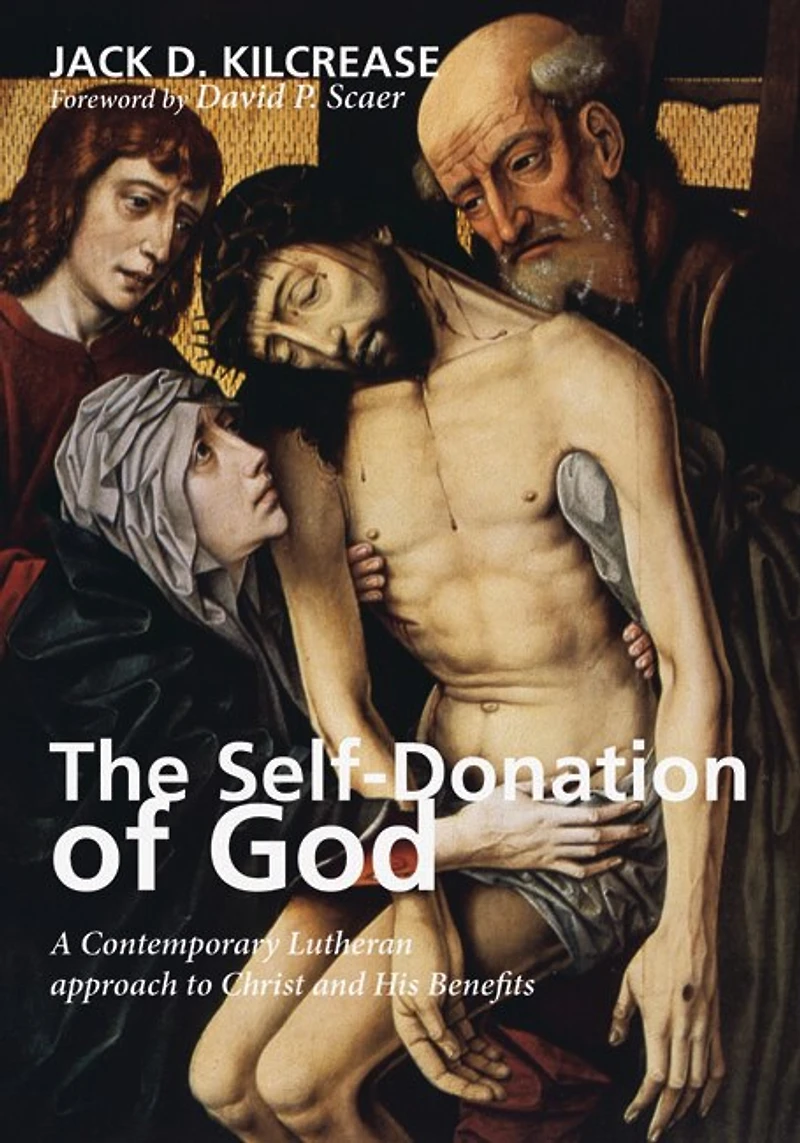
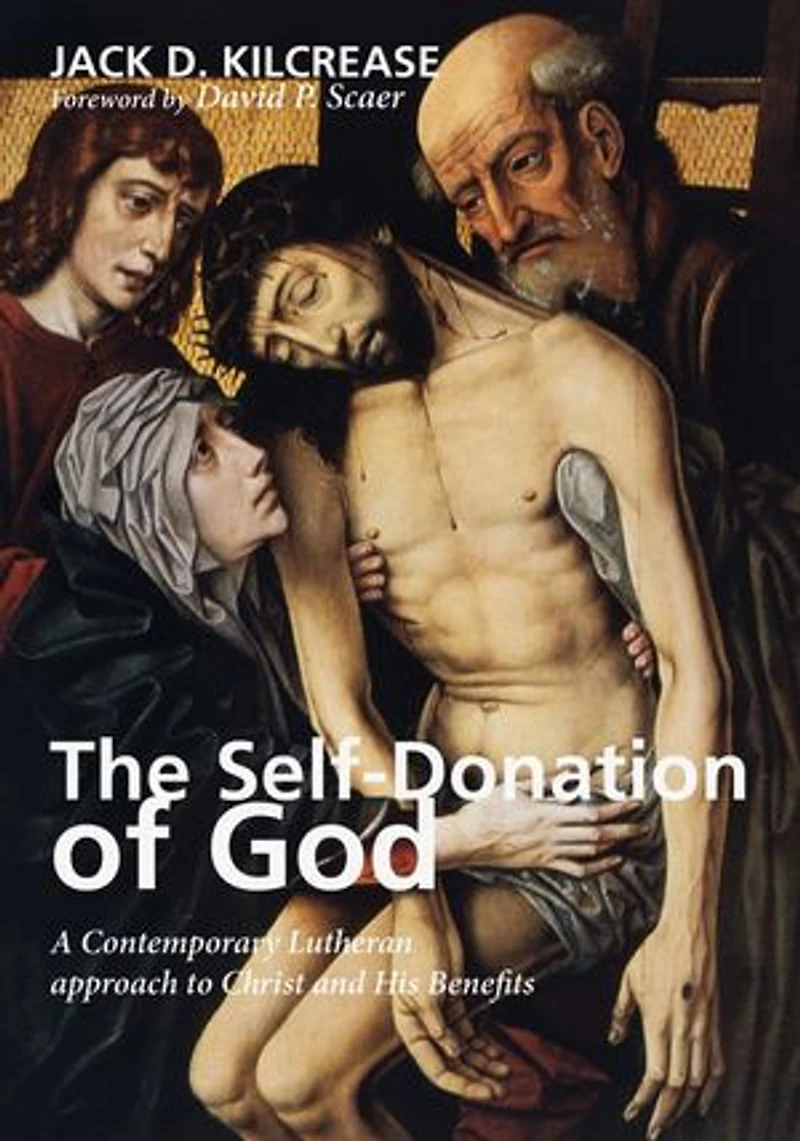
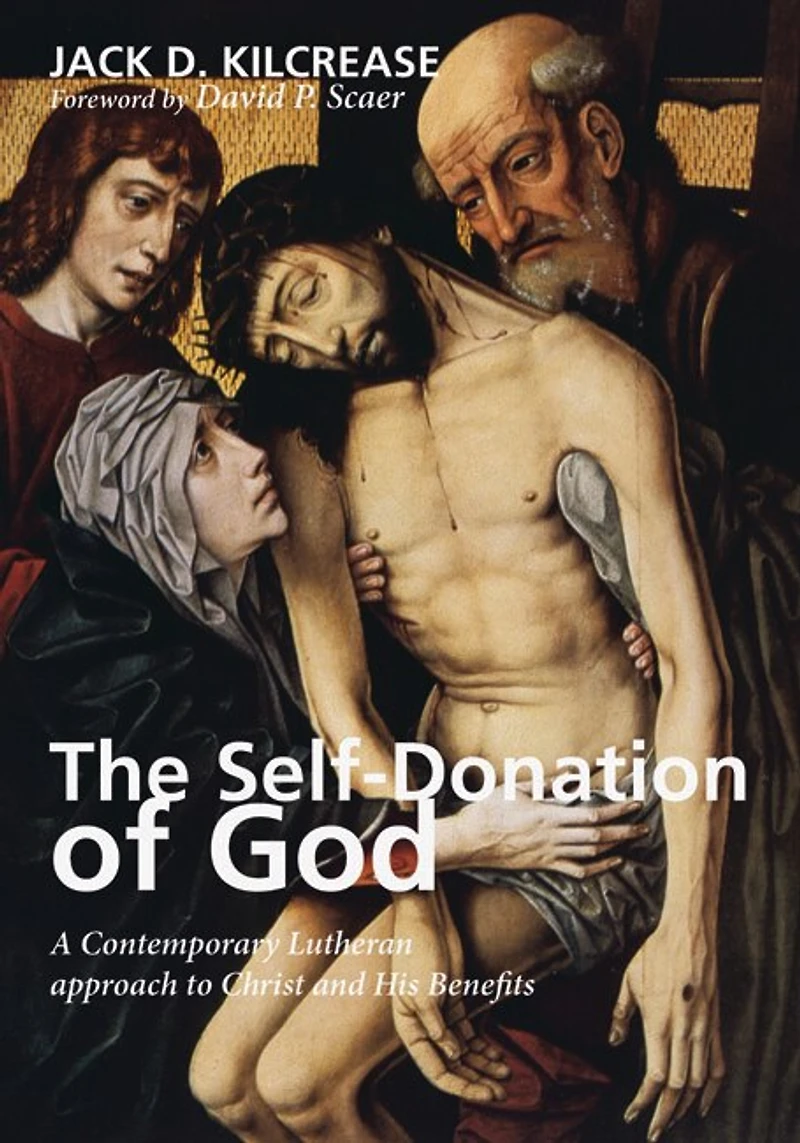
The Self-Donation of God: A Contemporary Lutheran Approach to Christ and His Benefits in Ottawa, ON
Current price: $94.00

The Self-Donation of God: A Contemporary Lutheran Approach to Christ and His Benefits in Ottawa, ON
Current price: $94.00
Loading Inventory...
Size: Hardcover
*Product information may vary - to confirm product availability, pricing, shipping and return information please contact Coles
In The Self-Donation of God, Jack Kilcrease argues that the speech-act of promise is always an act of self-donation. A person who unilaterally promises to another is bound to take a particular series of actions to fulfill that promise. Being that creation is grounded in God's promising speech, the divine-human relationship is fundamentally one of divine self-donation and human receptivity. Sin disrupts this relationship and therefore redemption is constituted by a reassertion of divine promise of salvation in the face of the condemnation of the law (Gen 3:15). As a new and effective word of grace, the promise of a savior begins the process of redemption within which God speaks forth a new narrative of creation. In this new narrative, God gives himself in an even deeper manner to humanity. By donating himself through a promise, first to the protological humanity and then to Israel, he binds himself to them. At the end of this history of self-binding, God in Christ enters into the condemnation of the law, neutralizes it in the cross, and brings about a new creation through his omnipotent word of promise actualized in the resurrection.
In The Self-Donation of God, Jack Kilcrease argues that the speech-act of promise is always an act of self-donation. A person who unilaterally promises to another is bound to take a particular series of actions to fulfill that promise. Being that creation is grounded in God's promising speech, the divine-human relationship is fundamentally one of divine self-donation and human receptivity. Sin disrupts this relationship and therefore redemption is constituted by a reassertion of divine promise of salvation in the face of the condemnation of the law (Gen 3:15). As a new and effective word of grace, the promise of a savior begins the process of redemption within which God speaks forth a new narrative of creation. In this new narrative, God gives himself in an even deeper manner to humanity. By donating himself through a promise, first to the protological humanity and then to Israel, he binds himself to them. At the end of this history of self-binding, God in Christ enters into the condemnation of the law, neutralizes it in the cross, and brings about a new creation through his omnipotent word of promise actualized in the resurrection.
You May Also Like
















More About Coles at Bayshore Shopping Centre
Coles is renowned for its outstanding customer service and great selection of books. Along with the vast array of magazines, stationary, audio-books, children's literature, fiction, non-fiction and reference books, you can find accessories to make your reading experience more pleasurable. We can recommend the very best in reading today. We will help you search our titles for exactly what you need, and if we do not have it in stock, we will order it for you.
100 Bayshore Dr, Nepean, ON K2B 8C1, Canada
Find Coles at Bayshore Shopping Centre in Ottawa, ON
Visit Coles at Bayshore Shopping Centre in Ottawa, ON