

Give the Gift of Choice!
Too many options? Treat your friends and family to their favourite stores with a Bayshore Shopping Centre gift card, redeemable at participating retailers throughout the centre. Click below to purchase yours today!Purchase HereHome
The Self, Relational Sociology, and Morality in Practice
Coles
Loading Inventory...
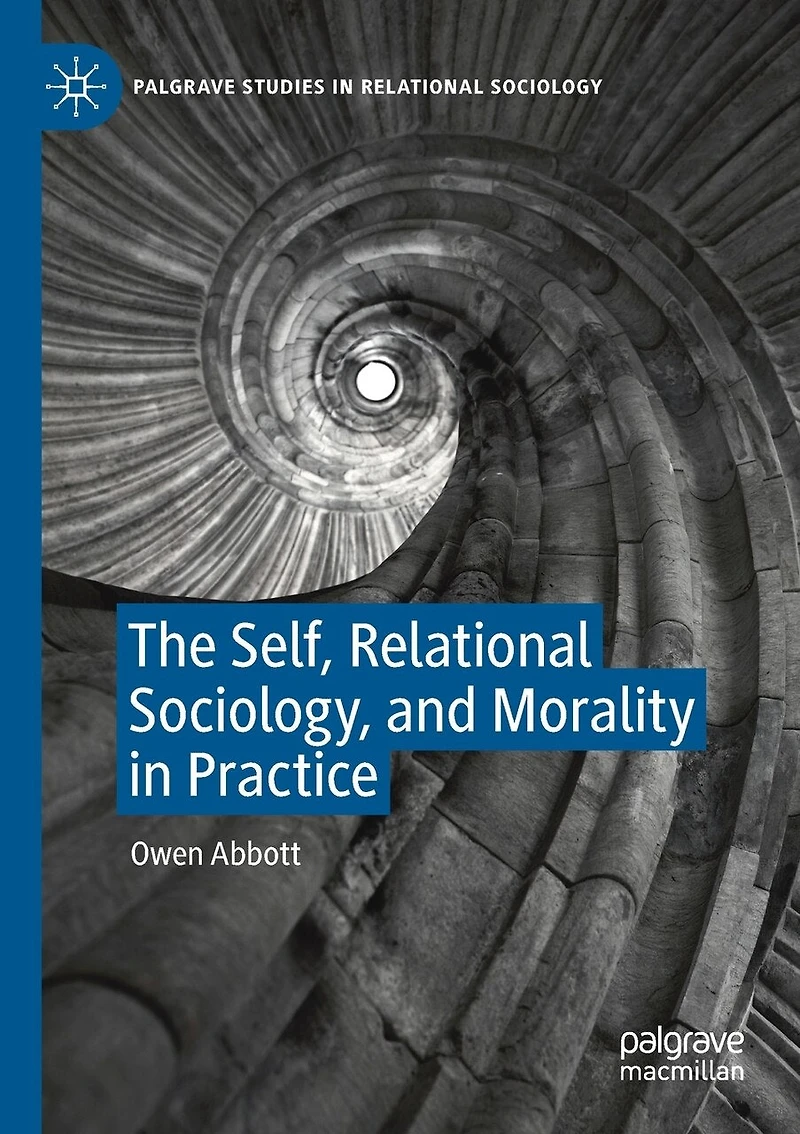
The Self, Relational Sociology, and Morality in Practice in Ottawa, ON
Current price: $145.95

The Self, Relational Sociology, and Morality in Practice in Ottawa, ON
Current price: $145.95
Loading Inventory...
Size: Paperback
*Product information may vary - to confirm product availability, pricing, shipping and return information please contact Coles
Winner of the 2020 British Sociological Association Philip Abrams Prize
Providing a theory of moral practice for a contemporary sociological audience, Owen Abbott shows that morality is a relational practice achieved by people in their everyday lives. He moves beyond old dualisms-society versus the individual, social structure versus agency, body versus mind-to offer a sociologically rigorous and coherent theory of the relational constitution of the self and moral practice, which is both shared and yet enacted from an individualized perspective. In so doing, The Self, Relational Sociology, and Morality in Practice not only offers an urgently needed account of moral practice and its integral role in the emergence of the self, but also examines morality itself within and through social relations and practices. Abbott's conclusions will be of interest to social scientists and philosophers of morality, those working with pragmatic and interactionist approaches, and those involved with relational sociology and social theory.
Winner of the 2020 British Sociological Association Philip Abrams Prize
Providing a theory of moral practice for a contemporary sociological audience, Owen Abbott shows that morality is a relational practice achieved by people in their everyday lives. He moves beyond old dualisms-society versus the individual, social structure versus agency, body versus mind-to offer a sociologically rigorous and coherent theory of the relational constitution of the self and moral practice, which is both shared and yet enacted from an individualized perspective. In so doing, The Self, Relational Sociology, and Morality in Practice not only offers an urgently needed account of moral practice and its integral role in the emergence of the self, but also examines morality itself within and through social relations and practices. Abbott's conclusions will be of interest to social scientists and philosophers of morality, those working with pragmatic and interactionist approaches, and those involved with relational sociology and social theory.
You May Also Like










More About Coles at Bayshore Shopping Centre
Coles is renowned for its outstanding customer service and great selection of books. Along with the vast array of magazines, stationary, audio-books, children's literature, fiction, non-fiction and reference books, you can find accessories to make your reading experience more pleasurable. We can recommend the very best in reading today. We will help you search our titles for exactly what you need, and if we do not have it in stock, we will order it for you.
100 Bayshore Dr, Nepean, ON K2B 8C1, Canada
Find Coles at Bayshore Shopping Centre in Ottawa, ON
Visit Coles at Bayshore Shopping Centre in Ottawa, ON