

Give the Gift of Choice!
Too many options? Treat your friends and family to their favourite stores with a Bayshore Shopping Centre gift card, redeemable at participating retailers throughout the centre. Click below to purchase yours today!Purchase HereHome
The Sense of Brown
Coles
Loading Inventory...
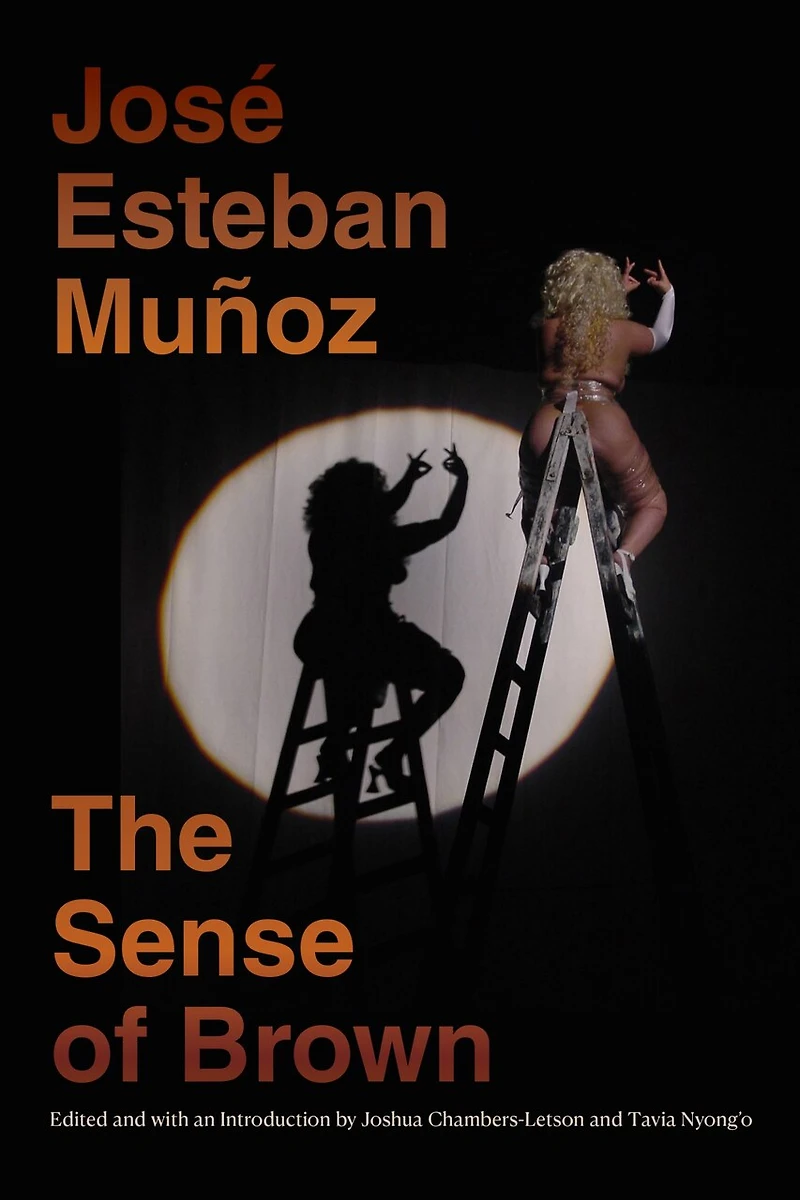
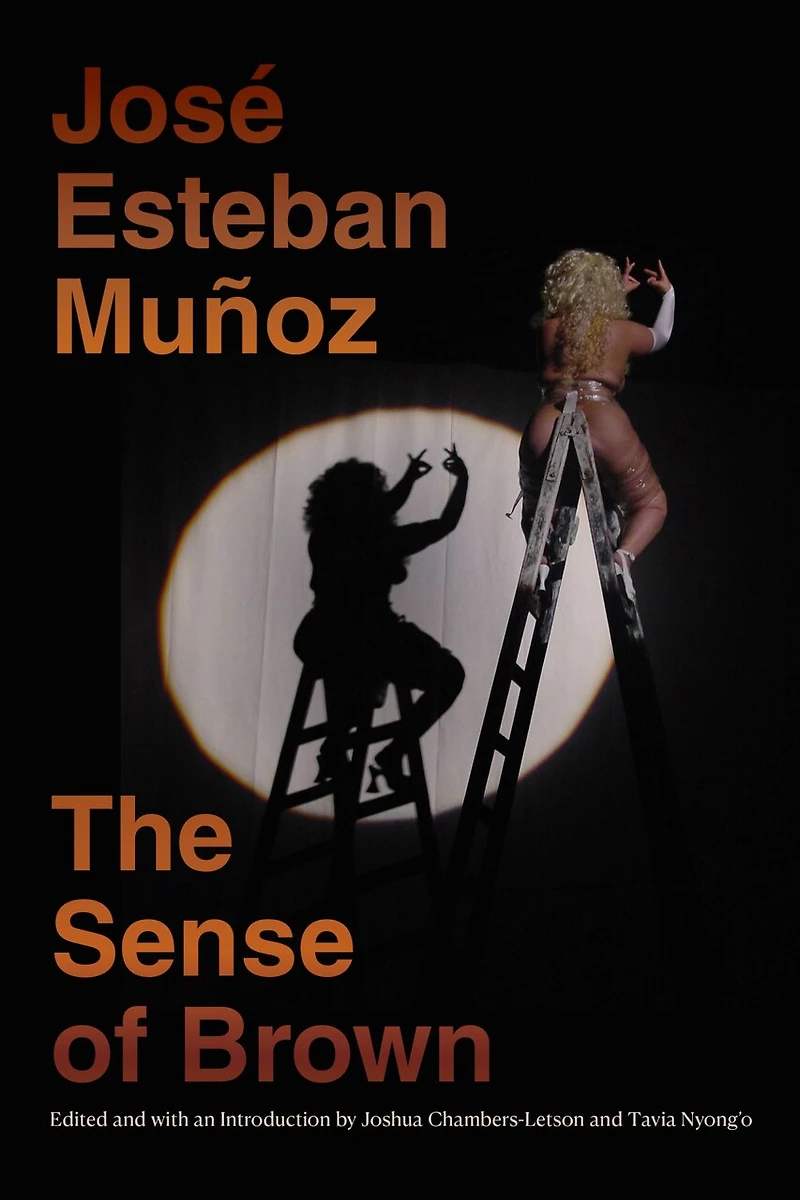
The Sense of Brown in Ottawa, ON
By None
Current price: $133.95

By None
The Sense of Brown in Ottawa, ON
Current price: $133.95
Loading Inventory...
Size: Hardcover
*Product information may vary - to confirm product availability, pricing, shipping and return information please contact Coles
The Sense of Brown is José Esteban Muñoz's treatise on brownness and being as well as his most direct address to queer Latinx studies. In this book, which he was completing at the time of his death, Muñoz examines the work of playwrights Ricardo Bracho and Nilo Cruz, artists Nao Bustamante, Isaac Julien, and Tania Bruguera, and singer José Feliciano, among others, arguing for a sense of brownness that is not fixed within the racial and national contours of Latinidad. This sense of brown is not about the individualized brown subject; rather, it demonstrates that for brown peoples, being exists within what Muñoz calls the brown commons-a lifeworld, queer ecology, and form of collectivity. In analyzing minoritarian affect, ethnicity as a structure of feeling, and brown feelings as they emerge in, through, and beside art and performance, Muñoz illustrates how the sense of brown serves as the basis for other ways of knowing and being in the world.
The Sense of Brown is José Esteban Muñoz's treatise on brownness and being as well as his most direct address to queer Latinx studies. In this book, which he was completing at the time of his death, Muñoz examines the work of playwrights Ricardo Bracho and Nilo Cruz, artists Nao Bustamante, Isaac Julien, and Tania Bruguera, and singer José Feliciano, among others, arguing for a sense of brownness that is not fixed within the racial and national contours of Latinidad. This sense of brown is not about the individualized brown subject; rather, it demonstrates that for brown peoples, being exists within what Muñoz calls the brown commons-a lifeworld, queer ecology, and form of collectivity. In analyzing minoritarian affect, ethnicity as a structure of feeling, and brown feelings as they emerge in, through, and beside art and performance, Muñoz illustrates how the sense of brown serves as the basis for other ways of knowing and being in the world.
You May Also Like












More About Coles at Bayshore Shopping Centre
Coles is renowned for its outstanding customer service and great selection of books. Along with the vast array of magazines, stationary, audio-books, children's literature, fiction, non-fiction and reference books, you can find accessories to make your reading experience more pleasurable. We can recommend the very best in reading today. We will help you search our titles for exactly what you need, and if we do not have it in stock, we will order it for you.
100 Bayshore Dr, Nepean, ON K2B 8C1, Canada
Find Coles at Bayshore Shopping Centre in Ottawa, ON
Visit Coles at Bayshore Shopping Centre in Ottawa, ON