

Give the Gift of Choice!
Too many options? Treat your friends and family to their favourite stores with a Bayshore Shopping Centre gift card, redeemable at participating retailers throughout the centre. Click below to purchase yours today!Purchase HereHome
the Shame and Sorrow: Dutch-Amerindian Encounters New Netherland
Coles
Loading Inventory...
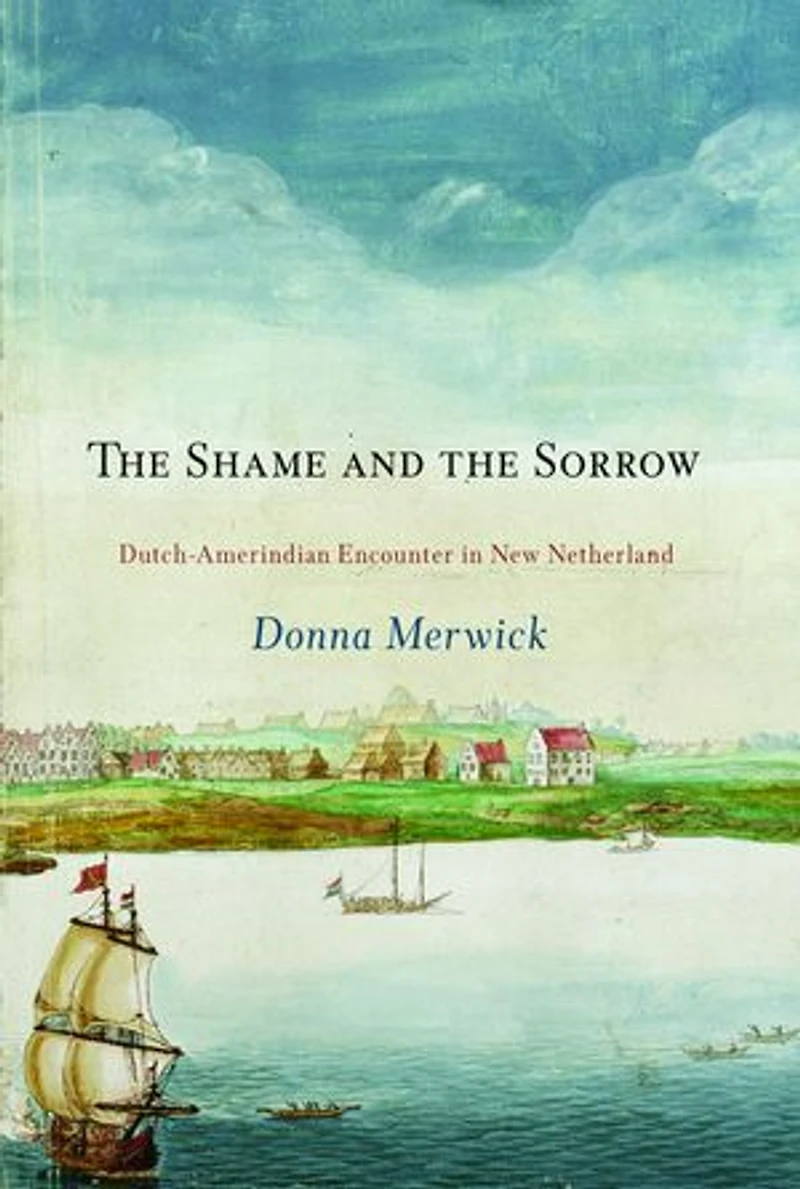
the Shame and Sorrow: Dutch-Amerindian Encounters New Netherland in Ottawa, ON
Current price: $36.79
Original price: $45.99

the Shame and Sorrow: Dutch-Amerindian Encounters New Netherland in Ottawa, ON
Current price: $36.79
Original price: $45.99
Loading Inventory...
Size: Kobo eBook (2013 A)
*Product information may vary - to confirm product availability, pricing, shipping and return information please contact Coles
The Dutch, through the directors of the West India Company, purchased Manhattan Island in 1625. They had come to the New World as traders, not expecting to assume responsibility as the sovereign possessor of a conquered New Netherland. They did not intend to make war on the native peoples around Manhattan Island, but they did; they did not intend to help destroy native cultures, but they did; they intended to be overseas the tolerant, pluralistic, and antimilitaristic people they thought themselves to be—and in so many respects were—at home, but they were not.
For the Dutch intruders, establishing a settled presence away from the homeland meant the destabilization of the adventurers' values and self-regard. They found that the initially peaceful encounters with the indigenous people soon took on the alarming overtones of an insurgency as the influx of the Dutch led to a complete upheaval and eventual disintegration of the social and political worlds of the natives.
How are the Dutch to be judged? Donna Merwick, in The Shame and the Sorrow , asks this question. She points to a betrayal both of their own values and of the native peoples. She also directs us to the self-delusion of hegemonic control. Her work belongs alongside the best of today's postcolonial studies in the description of cross-cultural violence and subtle questioning of the nature of writing its history.
The Dutch, through the directors of the West India Company, purchased Manhattan Island in 1625. They had come to the New World as traders, not expecting to assume responsibility as the sovereign possessor of a conquered New Netherland. They did not intend to make war on the native peoples around Manhattan Island, but they did; they did not intend to help destroy native cultures, but they did; they intended to be overseas the tolerant, pluralistic, and antimilitaristic people they thought themselves to be—and in so many respects were—at home, but they were not.
For the Dutch intruders, establishing a settled presence away from the homeland meant the destabilization of the adventurers' values and self-regard. They found that the initially peaceful encounters with the indigenous people soon took on the alarming overtones of an insurgency as the influx of the Dutch led to a complete upheaval and eventual disintegration of the social and political worlds of the natives.
How are the Dutch to be judged? Donna Merwick, in The Shame and the Sorrow , asks this question. She points to a betrayal both of their own values and of the native peoples. She also directs us to the self-delusion of hegemonic control. Her work belongs alongside the best of today's postcolonial studies in the description of cross-cultural violence and subtle questioning of the nature of writing its history.
You May Also Like















More About Coles at Bayshore Shopping Centre
Coles is renowned for its outstanding customer service and great selection of books. Along with the vast array of magazines, stationary, audio-books, children's literature, fiction, non-fiction and reference books, you can find accessories to make your reading experience more pleasurable. We can recommend the very best in reading today. We will help you search our titles for exactly what you need, and if we do not have it in stock, we will order it for you.
100 Bayshore Dr, Nepean, ON K2B 8C1, Canada
Find Coles at Bayshore Shopping Centre in Ottawa, ON
Visit Coles at Bayshore Shopping Centre in Ottawa, ON