

Give the Gift of Choice!
Too many options? Treat your friends and family to their favourite stores with a Bayshore Shopping Centre gift card, redeemable at participating retailers throughout the centre. Click below to purchase yours today!Purchase HereHome
The Shifting Ground of Globalization: Labor and Mineral Extraction at Vale S.A.
Coles
Loading Inventory...
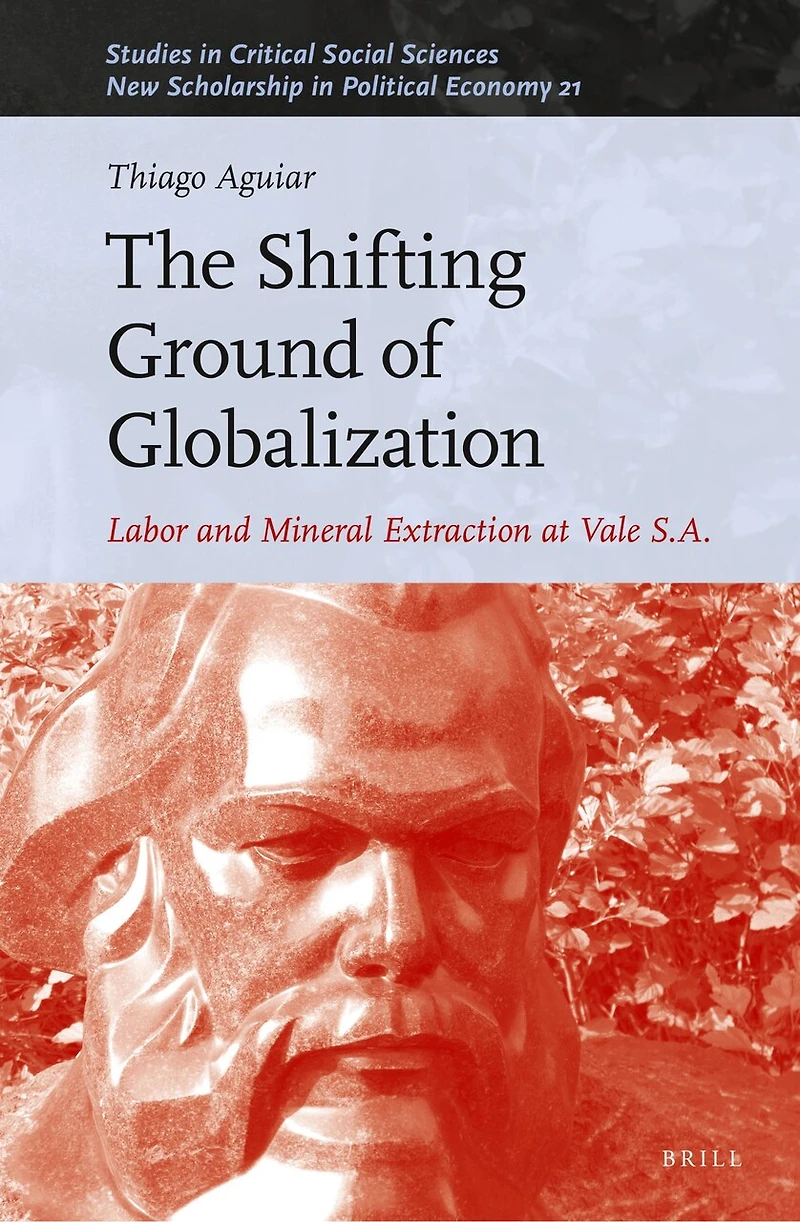
The Shifting Ground of Globalization: Labor and Mineral Extraction at Vale S.A. in Ottawa, ON
Current price: $262.99

The Shifting Ground of Globalization: Labor and Mineral Extraction at Vale S.A. in Ottawa, ON
Current price: $262.99
Loading Inventory...
Size: Hardcover
*Product information may vary - to confirm product availability, pricing, shipping and return information please contact Coles
The Shifting Ground of Globalization: Labor and Mineral Extraction at Vale S.A. describes the transformation of the formerly state-owned Brazilian mining company into a Transnational Corporation, global leader in iron ore and nickel extraction. Through ethnographic research in Brazil and Canada, in places as different as Carajás, in the heart of the Amazon rainforest, and Sudbury, in northern Ontario, Thiago Aguiar dialogues with the theories of global capitalism and takes the case of the largest Latin American company as a telling example of the integration of the Brazilian economy into capitalist globalization and its consequences for workers, communities, and the environment in the first decades of the twenty-first century – when many celebrated the BRICS as an alternative to neoliberal globalization.
The Shifting Ground of Globalization: Labor and Mineral Extraction at Vale S.A. describes the transformation of the formerly state-owned Brazilian mining company into a Transnational Corporation, global leader in iron ore and nickel extraction. Through ethnographic research in Brazil and Canada, in places as different as Carajás, in the heart of the Amazon rainforest, and Sudbury, in northern Ontario, Thiago Aguiar dialogues with the theories of global capitalism and takes the case of the largest Latin American company as a telling example of the integration of the Brazilian economy into capitalist globalization and its consequences for workers, communities, and the environment in the first decades of the twenty-first century – when many celebrated the BRICS as an alternative to neoliberal globalization.
You May Also Like









More About Coles at Bayshore Shopping Centre
Coles is renowned for its outstanding customer service and great selection of books. Along with the vast array of magazines, stationary, audio-books, children's literature, fiction, non-fiction and reference books, you can find accessories to make your reading experience more pleasurable. We can recommend the very best in reading today. We will help you search our titles for exactly what you need, and if we do not have it in stock, we will order it for you.
100 Bayshore Dr, Nepean, ON K2B 8C1, Canada
Find Coles at Bayshore Shopping Centre in Ottawa, ON
Visit Coles at Bayshore Shopping Centre in Ottawa, ON