

Give the Gift of Choice!
Too many options? Treat your friends and family to their favourite stores with a Bayshore Shopping Centre gift card, redeemable at participating retailers throughout the centre. Click below to purchase yours today!Purchase HereHome
The Significance of Aspect Perception: Bringing the Phenomenal World into View
Coles
Loading Inventory...
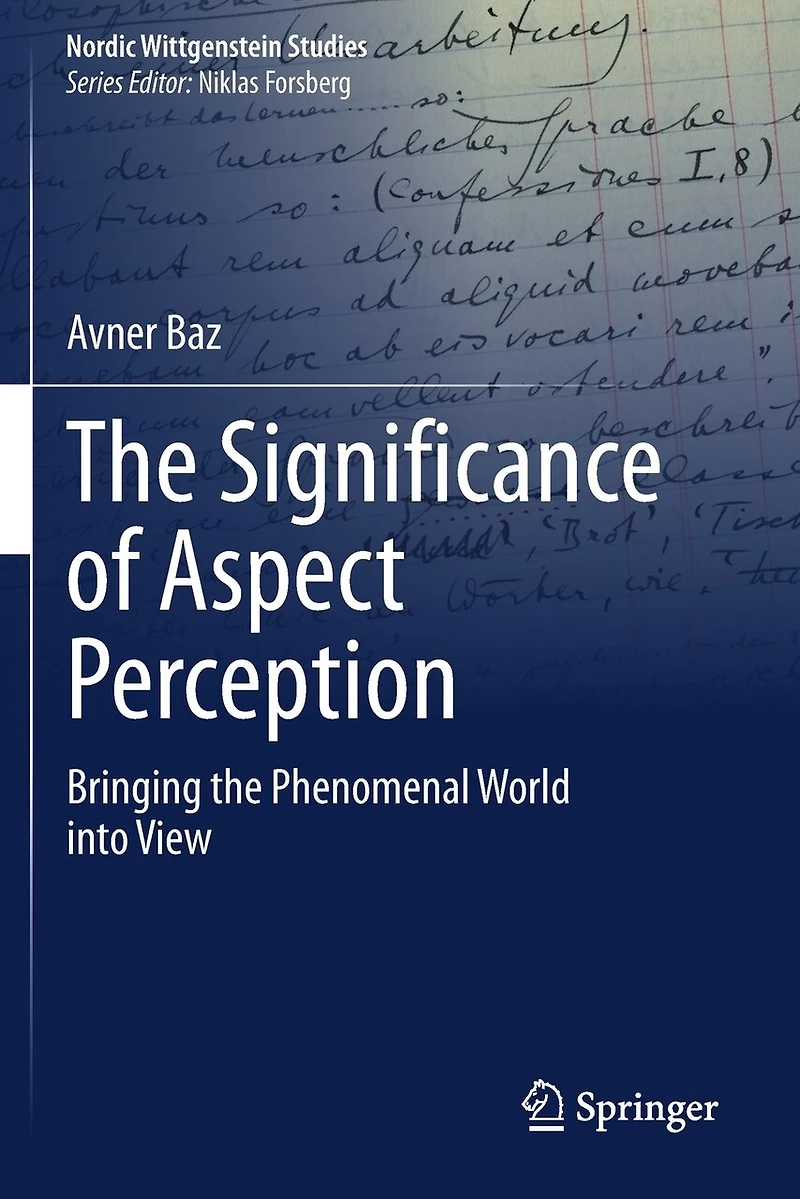
The Significance of Aspect Perception: Bringing the Phenomenal World into View in Ottawa, ON
Current price: $145.95

The Significance of Aspect Perception: Bringing the Phenomenal World into View in Ottawa, ON
Current price: $145.95
Loading Inventory...
Size: Paperback
*Product information may vary - to confirm product availability, pricing, shipping and return information please contact Coles
In this volume, Baz offers a wide-ranging discussion of Wittgenstein's remarks on aspect-perception, with special focus on Wittgenstein's method. Baz starts out with an interpretation of Wittgenstein's remarks on aspects and continues with attempts to characterize and defend Wittgenstein's approach to the understanding and dissolution of philosophical difficulties. Baz ends with attempts to articulate-under the inspiration of Merleau-Ponty's phenomenology-certain dissatisfactions, both with Wittgenstein's remarks on aspect perception, and with his philosophical approach more generally. On the way, Baz explores connections between Wittgenstein's remarks on aspects and Kant's aesthetics. He examines ways in which the remarks on aspects may be brought to bear on contemporary philosophical work on perception. He discusses some of the implications of Wittgenstein's work on aspect perception for issues in moral philosophy and the philosophy of action.
In this volume, Baz offers a wide-ranging discussion of Wittgenstein's remarks on aspect-perception, with special focus on Wittgenstein's method. Baz starts out with an interpretation of Wittgenstein's remarks on aspects and continues with attempts to characterize and defend Wittgenstein's approach to the understanding and dissolution of philosophical difficulties. Baz ends with attempts to articulate-under the inspiration of Merleau-Ponty's phenomenology-certain dissatisfactions, both with Wittgenstein's remarks on aspect perception, and with his philosophical approach more generally. On the way, Baz explores connections between Wittgenstein's remarks on aspects and Kant's aesthetics. He examines ways in which the remarks on aspects may be brought to bear on contemporary philosophical work on perception. He discusses some of the implications of Wittgenstein's work on aspect perception for issues in moral philosophy and the philosophy of action.
You May Also Like

















More About Coles at Bayshore Shopping Centre
Coles is renowned for its outstanding customer service and great selection of books. Along with the vast array of magazines, stationary, audio-books, children's literature, fiction, non-fiction and reference books, you can find accessories to make your reading experience more pleasurable. We can recommend the very best in reading today. We will help you search our titles for exactly what you need, and if we do not have it in stock, we will order it for you.
100 Bayshore Dr, Nepean, ON K2B 8C1, Canada
Find Coles at Bayshore Shopping Centre in Ottawa, ON
Visit Coles at Bayshore Shopping Centre in Ottawa, ON