

Give the Gift of Choice!
Too many options? Treat your friends and family to their favourite stores with a Bayshore Shopping Centre gift card, redeemable at participating retailers throughout the centre. Click below to purchase yours today!Purchase HereHome
The Sonic Episteme: Acoustic Resonance, Neoliberalism, and Biopolitics
Coles
Loading Inventory...
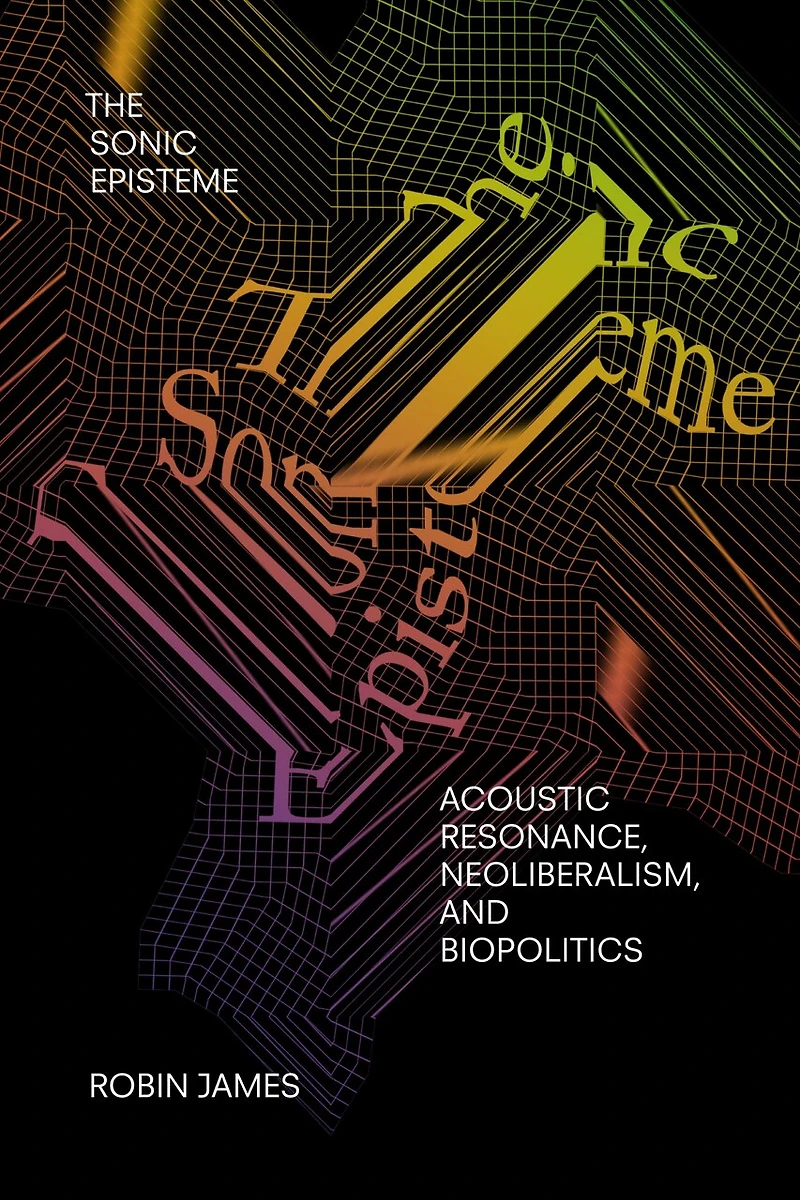
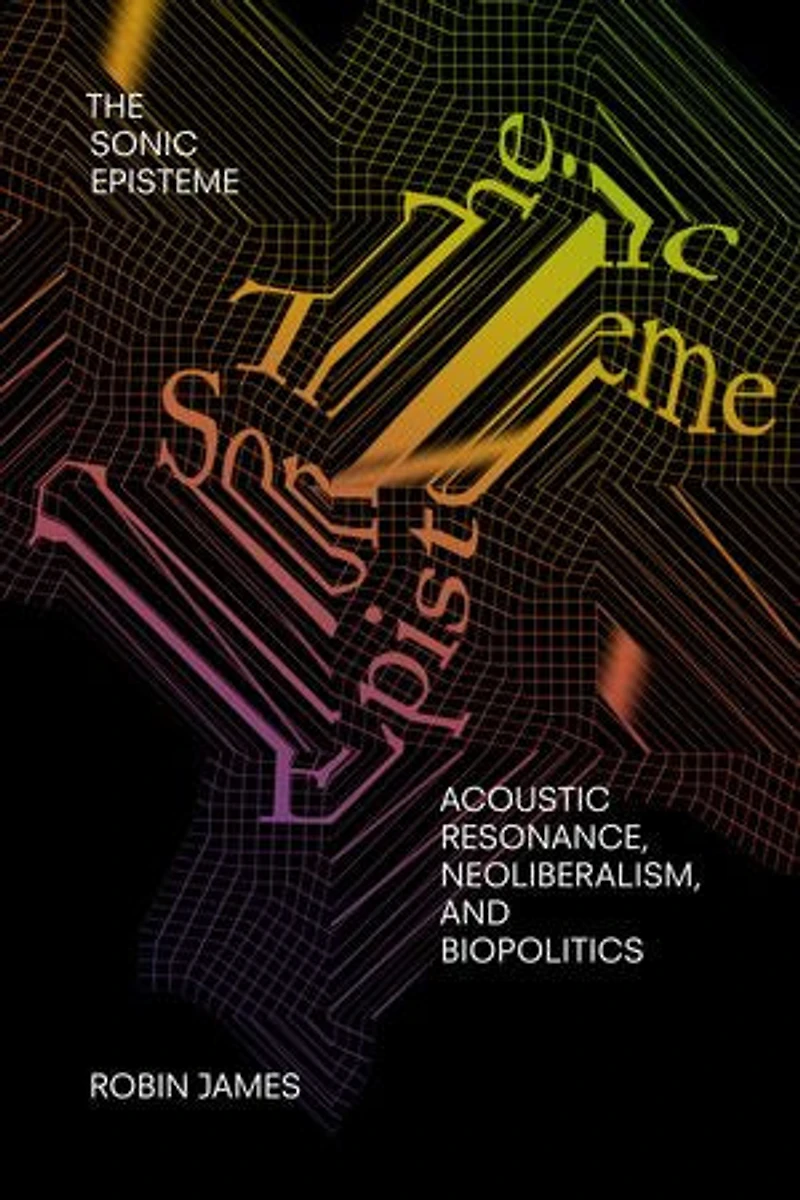
The Sonic Episteme: Acoustic Resonance, Neoliberalism, and Biopolitics in Ottawa, ON
Current price: $181.95

The Sonic Episteme: Acoustic Resonance, Neoliberalism, and Biopolitics in Ottawa, ON
Current price: $181.95
Loading Inventory...
Size: Hardcover
*Product information may vary - to confirm product availability, pricing, shipping and return information please contact Coles
In The Sonic Episteme Robin James examines how twenty-first-century conceptions of sound as acoustic resonance shape notions of the social world, personhood, and materiality in ways that support white supremacist capitalist patriarchy. Drawing on fields ranging from philosophy and sound studies to black feminist studies and musicology, James shows how what she calls the sonic episteme-a set of sound-based rules that qualitatively structure social practices in much the same way that neoliberalism uses statistics-employs a politics of exception to maintain hegemonic neoliberal and biopolitical projects. Where James sees the normcore averageness of Taylor Swift and Spandau Ballet as contributing to the sonic episteme's marginalization of nonnormative conceptions of gender, race, and personhood, the black feminist political ontologies she identifies in Beyonc's and Rihanna's music challenge such marginalization. In using sound to theorize political ontology, subjectivity, and power, James argues for the further articulation of sonic practices that avoid contributing to the systemic relations of domination that biopolitical neoliberalism creates and polices.
In The Sonic Episteme Robin James examines how twenty-first-century conceptions of sound as acoustic resonance shape notions of the social world, personhood, and materiality in ways that support white supremacist capitalist patriarchy. Drawing on fields ranging from philosophy and sound studies to black feminist studies and musicology, James shows how what she calls the sonic episteme-a set of sound-based rules that qualitatively structure social practices in much the same way that neoliberalism uses statistics-employs a politics of exception to maintain hegemonic neoliberal and biopolitical projects. Where James sees the normcore averageness of Taylor Swift and Spandau Ballet as contributing to the sonic episteme's marginalization of nonnormative conceptions of gender, race, and personhood, the black feminist political ontologies she identifies in Beyonc's and Rihanna's music challenge such marginalization. In using sound to theorize political ontology, subjectivity, and power, James argues for the further articulation of sonic practices that avoid contributing to the systemic relations of domination that biopolitical neoliberalism creates and polices.
You May Also Like
















More About Coles at Bayshore Shopping Centre
Coles is renowned for its outstanding customer service and great selection of books. Along with the vast array of magazines, stationary, audio-books, children's literature, fiction, non-fiction and reference books, you can find accessories to make your reading experience more pleasurable. We can recommend the very best in reading today. We will help you search our titles for exactly what you need, and if we do not have it in stock, we will order it for you.
100 Bayshore Dr, Nepean, ON K2B 8C1, Canada
Find Coles at Bayshore Shopping Centre in Ottawa, ON
Visit Coles at Bayshore Shopping Centre in Ottawa, ON