

Give the Gift of Choice!
Too many options? Treat your friends and family to their favourite stores with a Bayshore Shopping Centre gift card, redeemable at participating retailers throughout the centre. Click below to purchase yours today!Purchase HereHome
the Soviet Myth of World War II: Patriotic Memory and Russian Question USSR
Coles
Loading Inventory...
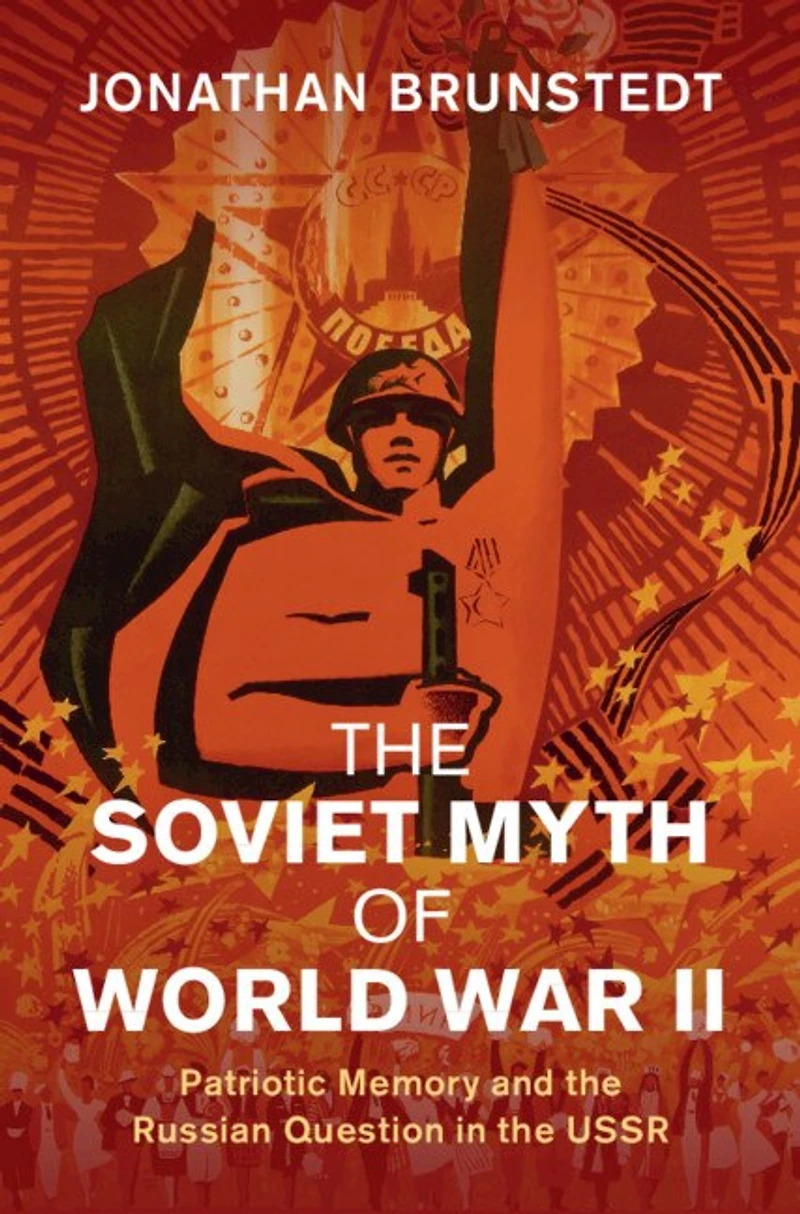
the Soviet Myth of World War II: Patriotic Memory and Russian Question USSR in Ottawa, ON
Current price: $57.95

the Soviet Myth of World War II: Patriotic Memory and Russian Question USSR in Ottawa, ON
Current price: $57.95
Loading Inventory...
Size: Hardcover
*Product information may vary - to confirm product availability, pricing, shipping and return information please contact Coles
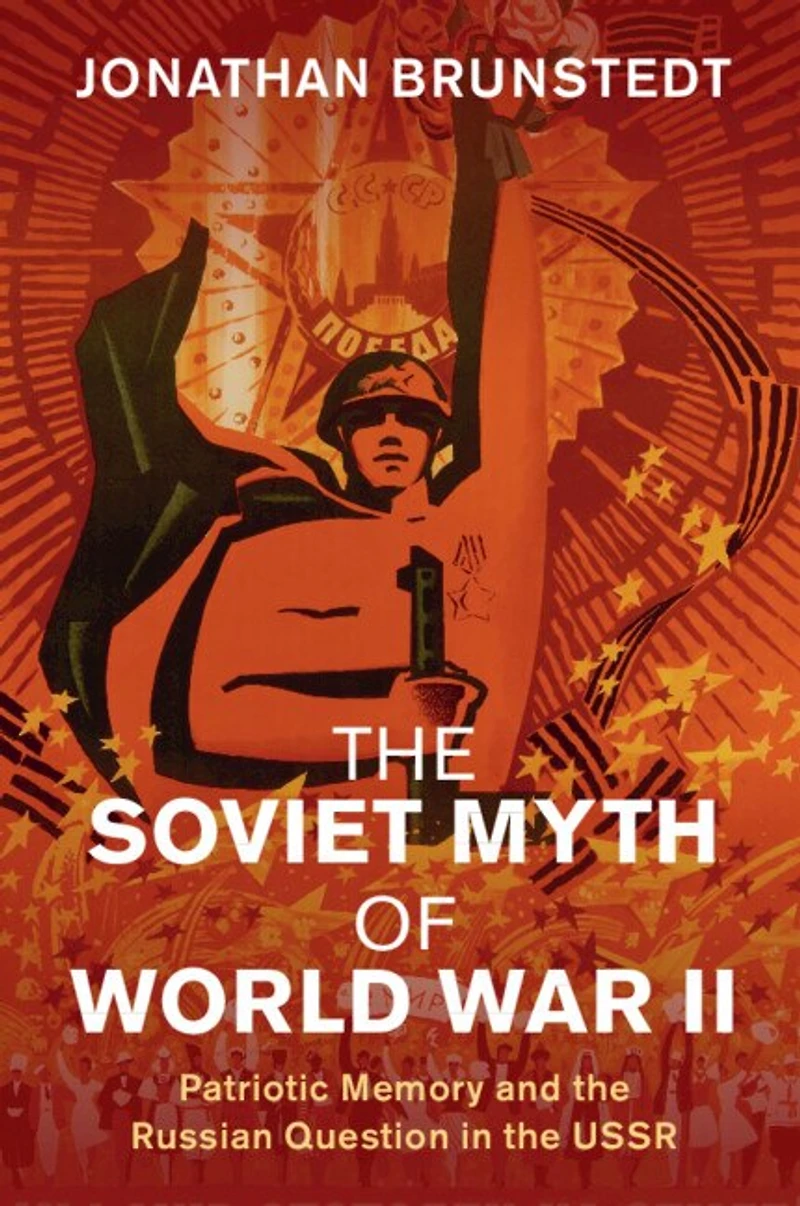
This pioneering monograph – a Foreign Affairs Best Book of the Year – asks how a socialist society, ostensibly committed to Marxist ideals of internationalism and global class struggle, reconciled itself to notions of patriotism, homeland, Russian ethnocentrism, and the glorification of war. Through the lens of the myth and remembrance of victory in World War II, arguably the central defining event of the Soviet epoch, the book shows that while state historical narratives reinforced a sense of Russian primacy and Russian dominated ethnic hierarchy, the story of the war enabled an alternative, supra-ethnic source of belonging, which subsumed Russian and non-Russian loyalties alike to the Soviet whole. The tension and competition between Russocentric and 'internationalist' conceptions of victory, which burst into the open during the late 1980s, reflected a wider struggle over the nature of patriotic identity in a multiethnic society that continues to reverberate in the post-Soviet space. The book sheds new light on long standing questions linked to the politics of remembrance and provides a crucial historical context for the patriotic revival of the war's memory in Russia today.
This pioneering monograph – a Foreign Affairs Best Book of the Year – asks how a socialist society, ostensibly committed to Marxist ideals of internationalism and global class struggle, reconciled itself to notions of patriotism, homeland, Russian ethnocentrism, and the glorification of war. Through the lens of the myth and remembrance of victory in World War II, arguably the central defining event of the Soviet epoch, the book shows that while state historical narratives reinforced a sense of Russian primacy and Russian dominated ethnic hierarchy, the story of the war enabled an alternative, supra-ethnic source of belonging, which subsumed Russian and non-Russian loyalties alike to the Soviet whole. The tension and competition between Russocentric and 'internationalist' conceptions of victory, which burst into the open during the late 1980s, reflected a wider struggle over the nature of patriotic identity in a multiethnic society that continues to reverberate in the post-Soviet space. The book sheds new light on long standing questions linked to the politics of remembrance and provides a crucial historical context for the patriotic revival of the war's memory in Russia today.
You May Also Like








More About Coles at Bayshore Shopping Centre
Coles is renowned for its outstanding customer service and great selection of books. Along with the vast array of magazines, stationary, audio-books, children's literature, fiction, non-fiction and reference books, you can find accessories to make your reading experience more pleasurable. We can recommend the very best in reading today. We will help you search our titles for exactly what you need, and if we do not have it in stock, we will order it for you.
100 Bayshore Dr, Nepean, ON K2B 8C1, Canada
Find Coles at Bayshore Shopping Centre in Ottawa, ON
Visit Coles at Bayshore Shopping Centre in Ottawa, ON