

Give the Gift of Choice!
Too many options? Treat your friends and family to their favourite stores with a Bayshore Shopping Centre gift card, redeemable at participating retailers throughout the centre. Click below to purchase yours today!Purchase HereHome
The Strategic Analysis of Judicial Behavior: A Comparative Perspective
Coles
Loading Inventory...
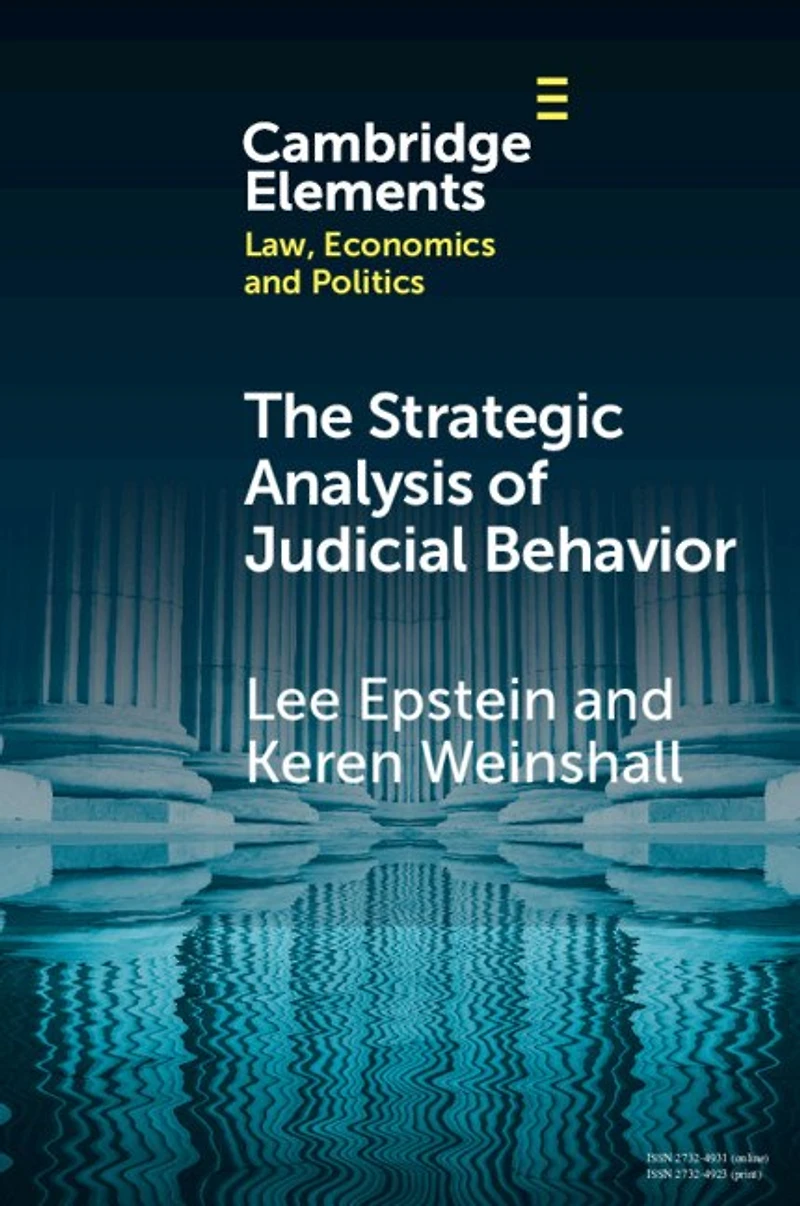
The Strategic Analysis of Judicial Behavior: A Comparative Perspective in Ottawa, ON
Current price: $29.54

The Strategic Analysis of Judicial Behavior: A Comparative Perspective in Ottawa, ON
Current price: $29.54
Loading Inventory...
Size: Paperback
*Product information may vary - to confirm product availability, pricing, shipping and return information please contact Coles
The past decade has witnessed a worldwide explosion of work aimed at illuminating judicial-behavior: the choices judges make and the consequences of their choices. We focus on strategic accounts of judicial-behavior. As in other approaches to judging, preferences and institutions play a central role but strategic accounts are unique in one important respect: They draw attention to the interdependent - i.e., the strategic - nature of judicial decisions. On strategic accounts, judges do not make decisions in a vacuum, but rather attend to the preferences and likely actions of other actors, including their colleagues, superiors, politicians, and the public. We survey the major methodological approaches for conducting strategic analysis and consider how scholars have used them to provide insight into the effect of internal and external actors on the judges' choices. As far as these studies have traveled in illuminating judicial-behavior, many opportunities for forward movement remain. We flag four in the conclusion.
The past decade has witnessed a worldwide explosion of work aimed at illuminating judicial-behavior: the choices judges make and the consequences of their choices. We focus on strategic accounts of judicial-behavior. As in other approaches to judging, preferences and institutions play a central role but strategic accounts are unique in one important respect: They draw attention to the interdependent - i.e., the strategic - nature of judicial decisions. On strategic accounts, judges do not make decisions in a vacuum, but rather attend to the preferences and likely actions of other actors, including their colleagues, superiors, politicians, and the public. We survey the major methodological approaches for conducting strategic analysis and consider how scholars have used them to provide insight into the effect of internal and external actors on the judges' choices. As far as these studies have traveled in illuminating judicial-behavior, many opportunities for forward movement remain. We flag four in the conclusion.
You May Also Like










More About Coles at Bayshore Shopping Centre
Coles is renowned for its outstanding customer service and great selection of books. Along with the vast array of magazines, stationary, audio-books, children's literature, fiction, non-fiction and reference books, you can find accessories to make your reading experience more pleasurable. We can recommend the very best in reading today. We will help you search our titles for exactly what you need, and if we do not have it in stock, we will order it for you.
100 Bayshore Dr, Nepean, ON K2B 8C1, Canada
Find Coles at Bayshore Shopping Centre in Ottawa, ON
Visit Coles at Bayshore Shopping Centre in Ottawa, ON