

Give the Gift of Choice!
Too many options? Treat your friends and family to their favourite stores with a Bayshore Shopping Centre gift card, redeemable at participating retailers throughout the centre. Click below to purchase yours today!Purchase HereHome
The Suffering Son of David in Matthew's Passion Narrative
Coles
Loading Inventory...
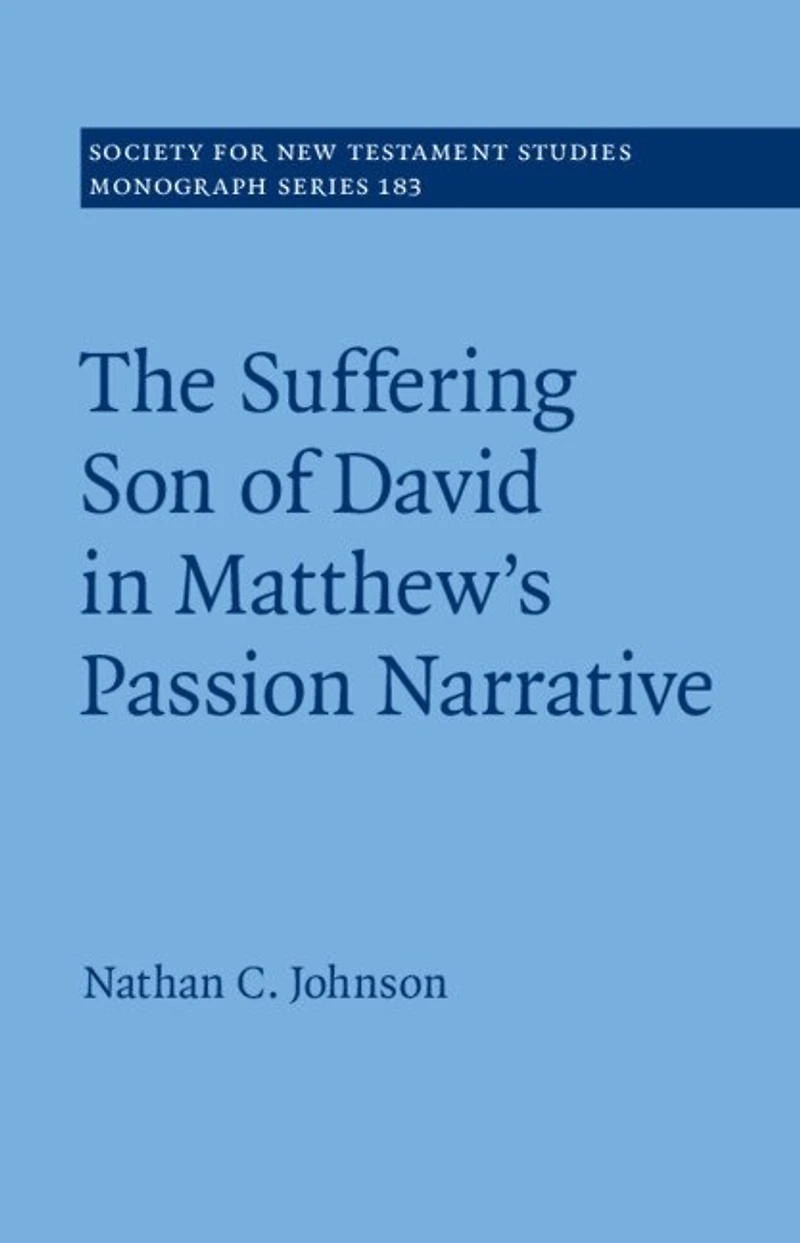
The Suffering Son of David in Matthew's Passion Narrative in Ottawa, ON
Current price: $132.95

The Suffering Son of David in Matthew's Passion Narrative in Ottawa, ON
Current price: $132.95
Loading Inventory...
Size: Hardcover
*Product information may vary - to confirm product availability, pricing, shipping and return information please contact Coles
In this book, Nathan C. Johnson offers the first full-scale study of David traditions in the Gospel of Matthew's story of Jesus's death. He offers a solution to the tension between Matthew's assertion that Jesus is the Davidic messiah and his humiliating death. To convince readers of his claim that Jesus was the Davidic messiah, Matthew would have to bridge the gap between messianic status and disgraceful execution. Johnson's proposed solution to this conundrum is widely overlooked yet refreshingly simple. He shows how Matthew makes his case for Jesus as the Davidic messiah in the passion narrative by alluding to texts in which David, too, suffered. Matthew thereby participates in a common intertextual, Jewish approach to messianism. Indeed, by alluding to suffering David texts, Matthew attempts to turn the tables of the problem of a crucified messiah by portraying Jesus as the Davidic messiah not despite, but because of his suffering.
In this book, Nathan C. Johnson offers the first full-scale study of David traditions in the Gospel of Matthew's story of Jesus's death. He offers a solution to the tension between Matthew's assertion that Jesus is the Davidic messiah and his humiliating death. To convince readers of his claim that Jesus was the Davidic messiah, Matthew would have to bridge the gap between messianic status and disgraceful execution. Johnson's proposed solution to this conundrum is widely overlooked yet refreshingly simple. He shows how Matthew makes his case for Jesus as the Davidic messiah in the passion narrative by alluding to texts in which David, too, suffered. Matthew thereby participates in a common intertextual, Jewish approach to messianism. Indeed, by alluding to suffering David texts, Matthew attempts to turn the tables of the problem of a crucified messiah by portraying Jesus as the Davidic messiah not despite, but because of his suffering.
You May Also Like














More About Coles at Bayshore Shopping Centre
Coles is renowned for its outstanding customer service and great selection of books. Along with the vast array of magazines, stationary, audio-books, children's literature, fiction, non-fiction and reference books, you can find accessories to make your reading experience more pleasurable. We can recommend the very best in reading today. We will help you search our titles for exactly what you need, and if we do not have it in stock, we will order it for you.
100 Bayshore Dr, Nepean, ON K2B 8C1, Canada
Find Coles at Bayshore Shopping Centre in Ottawa, ON
Visit Coles at Bayshore Shopping Centre in Ottawa, ON