

Give the Gift of Choice!
Too many options? Treat your friends and family to their favourite stores with a Bayshore Shopping Centre gift card, redeemable at participating retailers throughout the centre. Click below to purchase yours today!Purchase HereHome
The Syrian Goddess
Coles
Loading Inventory...
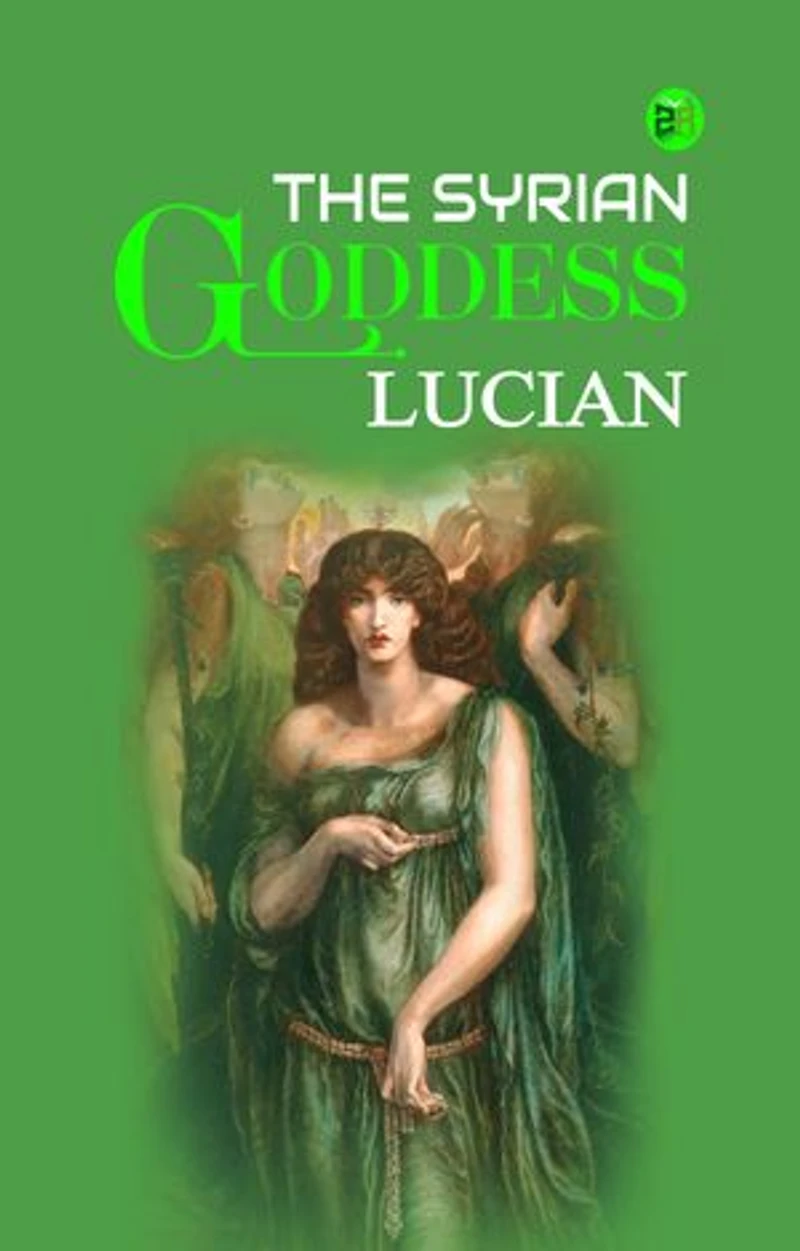
The Syrian Goddess in Ottawa, ON
Current price: $1.32

The Syrian Goddess in Ottawa, ON
Current price: $1.32
Loading Inventory...
Size: Kobo eBook
*Product information may vary - to confirm product availability, pricing, shipping and return information please contact Coles
"The Syrian Goddess" is a prose work by Lucian of Samosata, a Greek writer who lived in the 2nd century AD. The work is a religious text that explores the mythology and worship of the goddess Atargatis, who was revered in the ancient Near East, particularly in Syria.The text is written in the form of a letter from Lucian to a friend, in which he describes the religious practices and beliefs of the people who worship Atargatis. He describes the temple of Atargatis in Hierapolis, which was a center of her worship, and he provides a detailed account of the rituals and ceremonies that took place there.Lucian also provides a mythological account of the goddess and her origins, tracing her lineage back to the Babylonian goddess Ishtar. He describes her as a powerful and benevolent deity who was associated with fertility, water, and the natural world."The Syrian Goddess" is an important work for understanding the religious beliefs and practices of the ancient Near East. It provides insight into the complex mythology and ritual practices of a major goddess cult, and it offers a window into the cultural and religious practices of the region during the Hellenistic period.
"The Syrian Goddess" is a prose work by Lucian of Samosata, a Greek writer who lived in the 2nd century AD. The work is a religious text that explores the mythology and worship of the goddess Atargatis, who was revered in the ancient Near East, particularly in Syria.The text is written in the form of a letter from Lucian to a friend, in which he describes the religious practices and beliefs of the people who worship Atargatis. He describes the temple of Atargatis in Hierapolis, which was a center of her worship, and he provides a detailed account of the rituals and ceremonies that took place there.Lucian also provides a mythological account of the goddess and her origins, tracing her lineage back to the Babylonian goddess Ishtar. He describes her as a powerful and benevolent deity who was associated with fertility, water, and the natural world."The Syrian Goddess" is an important work for understanding the religious beliefs and practices of the ancient Near East. It provides insight into the complex mythology and ritual practices of a major goddess cult, and it offers a window into the cultural and religious practices of the region during the Hellenistic period.















More About Coles at Bayshore Shopping Centre
Coles is renowned for its outstanding customer service and great selection of books. Along with the vast array of magazines, stationary, audio-books, children's literature, fiction, non-fiction and reference books, you can find accessories to make your reading experience more pleasurable. We can recommend the very best in reading today. We will help you search our titles for exactly what you need, and if we do not have it in stock, we will order it for you.
100 Bayshore Dr, Nepean, ON K2B 8C1, Canada
Find Coles at Bayshore Shopping Centre in Ottawa, ON
Visit Coles at Bayshore Shopping Centre in Ottawa, ON