

Give the Gift of Choice!
Too many options? Treat your friends and family to their favourite stores with a Bayshore Shopping Centre gift card, redeemable at participating retailers throughout the centre. Click below to purchase yours today!Purchase HereHome
The Tlatelolco Massacre, Mexico 1968, and the Emotional Triangle of Anger, Grief and Shame: Discourses of Truth(s)
Coles
Loading Inventory...
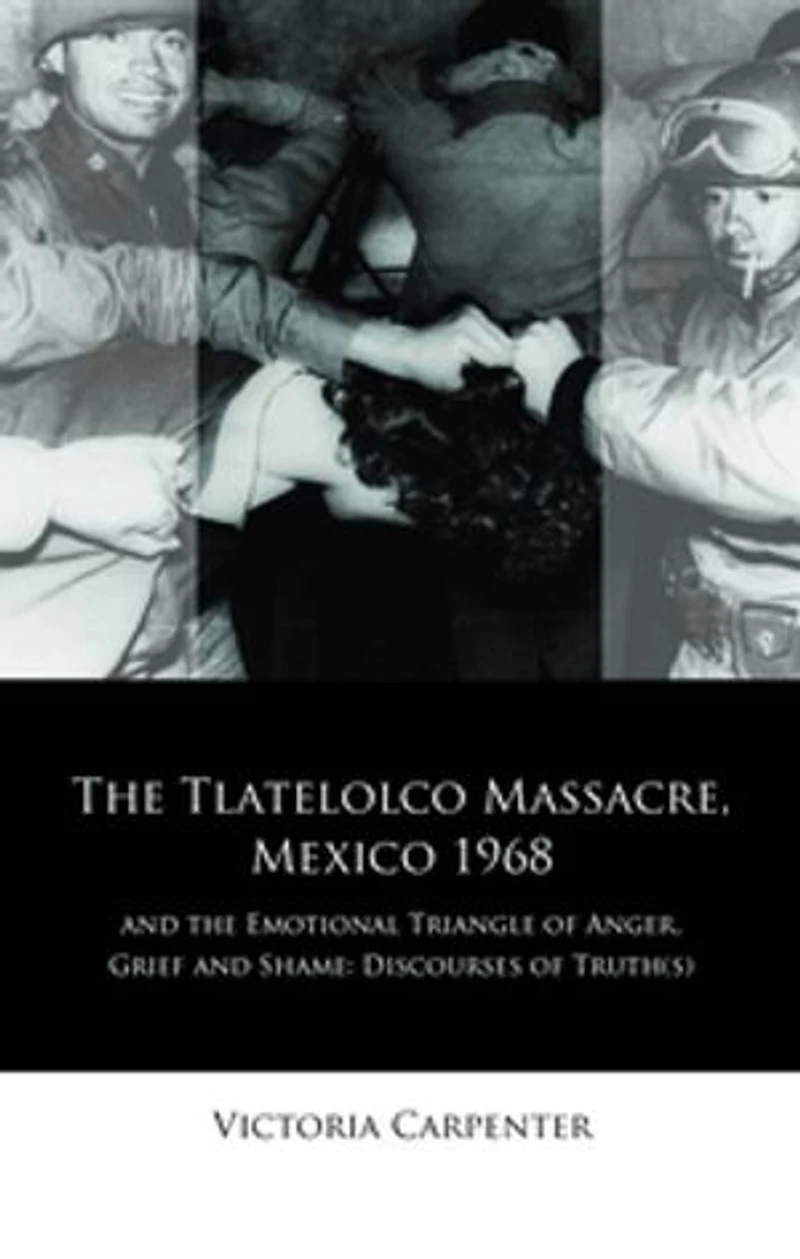
The Tlatelolco Massacre, Mexico 1968, and the Emotional Triangle of Anger, Grief and Shame: Discourses of Truth(s) in Ottawa, ON
Current price: $81.49
Original price: $101.79

The Tlatelolco Massacre, Mexico 1968, and the Emotional Triangle of Anger, Grief and Shame: Discourses of Truth(s) in Ottawa, ON
Current price: $81.49
Original price: $101.79
Loading Inventory...
Size: Kobo eBook
*Product information may vary - to confirm product availability, pricing, shipping and return information please contact Coles
In the aftermath of major violent events that affect many, we seek to know the ‘truth’ of what happened. Whatever ‘truth’ emerges relies heavily on the extent to which any text about a given event can stir our emotions – whether such texts are official sources or the ‘voice of the people’, we are more inclined to believe them if their words make us feel angry, sad or ashamed. If they fail to stir emotion, however, we will often discount them even when the reported information is the same. Victoria Carpenter analyses texts by the Mexican government, media and populace published after the Tlatelolco massacre of 2 October 1968, demonstrating how there is no strict division between their accounts of what happened and that, in fact, different sides in the conflict used similar and sometimes the same images and language to rouse emotions in the reader.
In the aftermath of major violent events that affect many, we seek to know the ‘truth’ of what happened. Whatever ‘truth’ emerges relies heavily on the extent to which any text about a given event can stir our emotions – whether such texts are official sources or the ‘voice of the people’, we are more inclined to believe them if their words make us feel angry, sad or ashamed. If they fail to stir emotion, however, we will often discount them even when the reported information is the same. Victoria Carpenter analyses texts by the Mexican government, media and populace published after the Tlatelolco massacre of 2 October 1968, demonstrating how there is no strict division between their accounts of what happened and that, in fact, different sides in the conflict used similar and sometimes the same images and language to rouse emotions in the reader.














More About Coles at Bayshore Shopping Centre
Coles is renowned for its outstanding customer service and great selection of books. Along with the vast array of magazines, stationary, audio-books, children's literature, fiction, non-fiction and reference books, you can find accessories to make your reading experience more pleasurable. We can recommend the very best in reading today. We will help you search our titles for exactly what you need, and if we do not have it in stock, we will order it for you.
100 Bayshore Dr, Nepean, ON K2B 8C1, Canada
Find Coles at Bayshore Shopping Centre in Ottawa, ON
Visit Coles at Bayshore Shopping Centre in Ottawa, ON