

Give the Gift of Choice!
Too many options? Treat your friends and family to their favourite stores with a Bayshore Shopping Centre gift card, redeemable at participating retailers throughout the centre. Click below to purchase yours today!Purchase HereHome
The Transformation of Turkish Foreign Policy: Islamism and Nationalism
Coles
Loading Inventory...
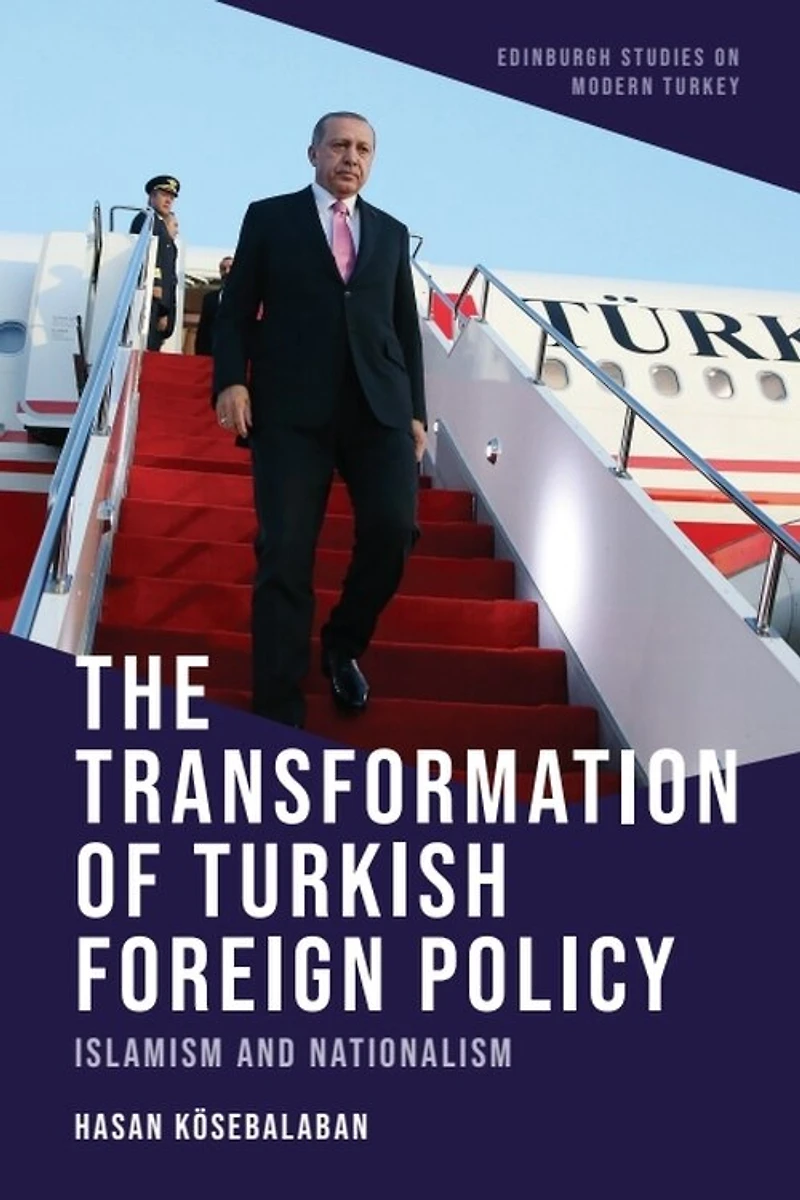
The Transformation of Turkish Foreign Policy: Islamism and Nationalism in Ottawa, ON
Current price: $156.00

The Transformation of Turkish Foreign Policy: Islamism and Nationalism in Ottawa, ON
Current price: $156.00
Loading Inventory...
Size: Hardcover
*Product information may vary - to confirm product availability, pricing, shipping and return information please contact Coles
This book examines the evolution of Turkish foreign policy under the Justice and Development Party (JDP). It traces the shift from the early liberal era (2002–16), which was characterised by EU integration efforts, economic globalisation and regional engagement, to a nationalist, security-driven approach. Particular focus is given to the consolidation of authoritarian rule and Turkey’s transition to a presidential system in 2018.
Initially, the Arab Spring positioned Turkey as a model for political Islam, but regional upheavals, the 2013 Gezi Park protests and the 2016 coup attempt accelerated a turn toward authoritarianism and securitisation. The study explores how the JDP leadership moved from democratic pluralism to nationalist and authoritarian consolidation, reshaping Turkey’s diplomatic and geopolitical posture. Hasan Kösebalaban argues that domestic political struggles have shaped Turkish foreign policy as much as external pressures. Through a multidisciplinary lens, this book provides a nuanced understanding of Turkey’s geopolitical trajectory and its broader implications for international relations. Kösebalaban implements a new framework to examine the divisions within both secularism and Islamism, and explores how foreign policy choices both shape and are shaped by these internal divisions.
This book examines the evolution of Turkish foreign policy under the Justice and Development Party (JDP). It traces the shift from the early liberal era (2002–16), which was characterised by EU integration efforts, economic globalisation and regional engagement, to a nationalist, security-driven approach. Particular focus is given to the consolidation of authoritarian rule and Turkey’s transition to a presidential system in 2018.
Initially, the Arab Spring positioned Turkey as a model for political Islam, but regional upheavals, the 2013 Gezi Park protests and the 2016 coup attempt accelerated a turn toward authoritarianism and securitisation. The study explores how the JDP leadership moved from democratic pluralism to nationalist and authoritarian consolidation, reshaping Turkey’s diplomatic and geopolitical posture. Hasan Kösebalaban argues that domestic political struggles have shaped Turkish foreign policy as much as external pressures. Through a multidisciplinary lens, this book provides a nuanced understanding of Turkey’s geopolitical trajectory and its broader implications for international relations. Kösebalaban implements a new framework to examine the divisions within both secularism and Islamism, and explores how foreign policy choices both shape and are shaped by these internal divisions.














More About Coles at Bayshore Shopping Centre
Coles is renowned for its outstanding customer service and great selection of books. Along with the vast array of magazines, stationary, audio-books, children's literature, fiction, non-fiction and reference books, you can find accessories to make your reading experience more pleasurable. We can recommend the very best in reading today. We will help you search our titles for exactly what you need, and if we do not have it in stock, we will order it for you.
100 Bayshore Dr, Nepean, ON K2B 8C1, Canada
Find Coles at Bayshore Shopping Centre in Ottawa, ON
Visit Coles at Bayshore Shopping Centre in Ottawa, ON