

Give the Gift of Choice!
Too many options? Treat your friends and family to their favourite stores with a Bayshore Shopping Centre gift card, redeemable at participating retailers throughout the centre. Click below to purchase yours today!Purchase HereHome
The U.S. Constitution and Secession: A Documentary Anthology of Slavery White Supremacy
Coles
Loading Inventory...

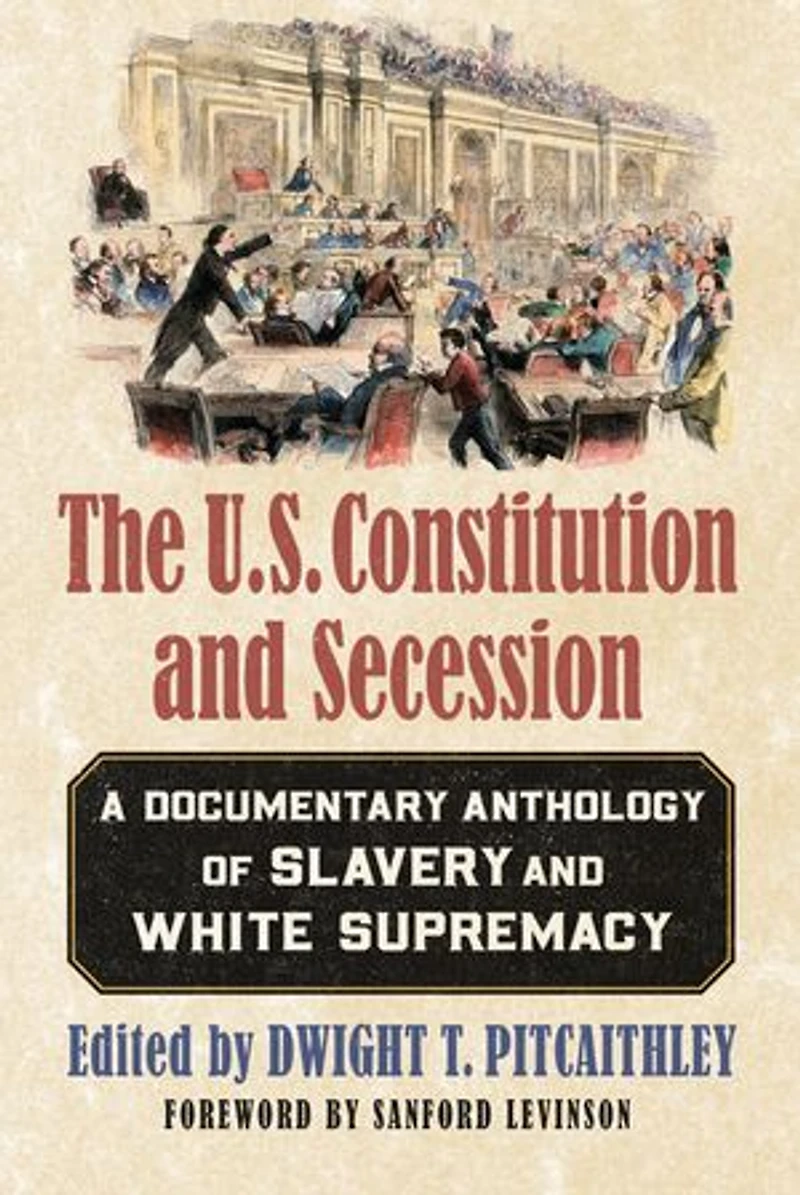
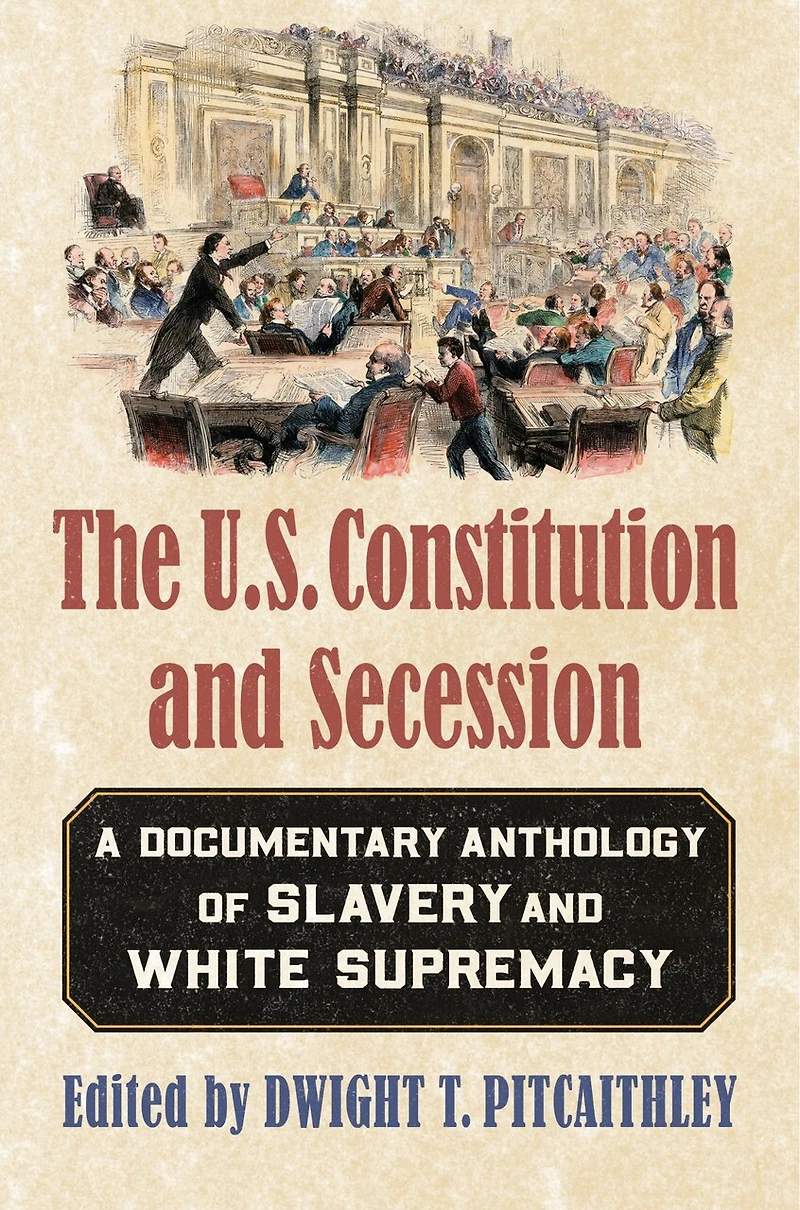
The U.S. Constitution and Secession: A Documentary Anthology of Slavery White Supremacy in Ottawa, ON
Current price: $134.95

The U.S. Constitution and Secession: A Documentary Anthology of Slavery White Supremacy in Ottawa, ON
Current price: $134.95
Loading Inventory...
Size: Hardcover
*Product information may vary - to confirm product availability, pricing, shipping and return information please contact Coles
Five months after the election of Abraham Lincoln, which had revealed the fracturing state of the nation, Confederates fired on Fort Sumter and the fight for the Union began in earnest. This documentary reader offers a firsthand look at the constitutional debates that consumed the country in those fraught five months. Day by day, week by week, these documents chart the political path, and the insurmountable differences, that led directly—but not inevitably—to the American Civil War.
At issue in these debates is the nature of the U.S. Constitution with regard to slavery. Editor Dwight Pitcaithley provides expert guidance through the speeches and discussions that took place over Secession Winter (1860–1861)—in Congress, eleven state conventions, legislatures in Tennessee and Kentucky, and the Washington Peace Conference of February, 1861. The anthology brings to light dozens of solutions to the secession crisis proposed in the form of constitutional amendments—90 percent of them carefully designed to protect the institution of slavery in different ways throughout the country. And yet, the book suggests, secession solved neither of the South’s primary concerns: the expansion of slavery into the western territories and the return of fugitive slaves.
What emerges clearly from these documents, and from Pitcaithley’s incisive analysis, is the centrality of white supremacy and slavery—specifically the fear of abolition—to the South’s decision to secede. Also evident in the words of these politicians and statesmen is how thoroughly passion and fear, rather than reason and reflection, drove the decision making process.
Five months after the election of Abraham Lincoln, which had revealed the fracturing state of the nation, Confederates fired on Fort Sumter and the fight for the Union began in earnest. This documentary reader offers a firsthand look at the constitutional debates that consumed the country in those fraught five months. Day by day, week by week, these documents chart the political path, and the insurmountable differences, that led directly—but not inevitably—to the American Civil War.
At issue in these debates is the nature of the U.S. Constitution with regard to slavery. Editor Dwight Pitcaithley provides expert guidance through the speeches and discussions that took place over Secession Winter (1860–1861)—in Congress, eleven state conventions, legislatures in Tennessee and Kentucky, and the Washington Peace Conference of February, 1861. The anthology brings to light dozens of solutions to the secession crisis proposed in the form of constitutional amendments—90 percent of them carefully designed to protect the institution of slavery in different ways throughout the country. And yet, the book suggests, secession solved neither of the South’s primary concerns: the expansion of slavery into the western territories and the return of fugitive slaves.
What emerges clearly from these documents, and from Pitcaithley’s incisive analysis, is the centrality of white supremacy and slavery—specifically the fear of abolition—to the South’s decision to secede. Also evident in the words of these politicians and statesmen is how thoroughly passion and fear, rather than reason and reflection, drove the decision making process.
You May Also Like







More About Coles at Bayshore Shopping Centre
Coles is renowned for its outstanding customer service and great selection of books. Along with the vast array of magazines, stationary, audio-books, children's literature, fiction, non-fiction and reference books, you can find accessories to make your reading experience more pleasurable. We can recommend the very best in reading today. We will help you search our titles for exactly what you need, and if we do not have it in stock, we will order it for you.
100 Bayshore Dr, Nepean, ON K2B 8C1, Canada
Find Coles at Bayshore Shopping Centre in Ottawa, ON
Visit Coles at Bayshore Shopping Centre in Ottawa, ON