

Give the Gift of Choice!
Too many options? Treat your friends and family to their favourite stores with a Bayshore Shopping Centre gift card, redeemable at participating retailers throughout the centre. Click below to purchase yours today!Purchase HereHome
The Uses of Literacy: Aspects of Working-Class Life
Coles
Loading Inventory...
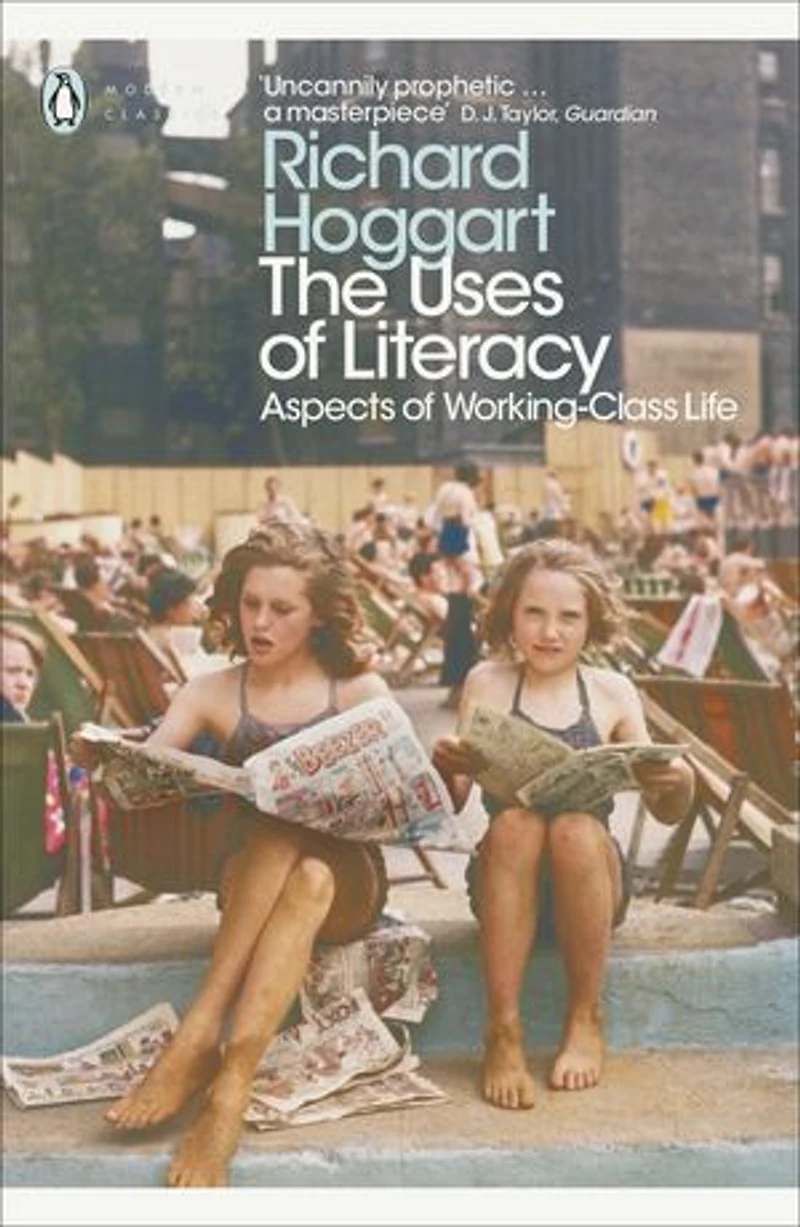
The Uses of Literacy: Aspects of Working-Class Life in Ottawa, ON
Current price: $10.99

The Uses of Literacy: Aspects of Working-Class Life in Ottawa, ON
Current price: $10.99
Loading Inventory...
Size: Kobo eBook
*Product information may vary - to confirm product availability, pricing, shipping and return information please contact Coles
When a society becomes more affluent, does it lose other values? Are the skills that education and literacy gave millions wasted on consuming pop culture? Do the media coerce us into a world of the superficial and the material - or can they be a force for good?
When Richard Hoggart asked these questions in his 1957 book The Uses of Literacy Britain was undergoing huge social change, yet his landmark work has lost none of its pertinence and power today. Hoggart gives a fascinating insight into the close-knit values of Northern England's vanishing working-class communities, and weaves this together with his views on the arrival of a new, homogenous 'mass' US-influenced culture. His headline-grabbing bestseller opened up a whole new area of cultural study and remains essential reading, both as a historical document, and as a commentary on class, poverty and the media.
When a society becomes more affluent, does it lose other values? Are the skills that education and literacy gave millions wasted on consuming pop culture? Do the media coerce us into a world of the superficial and the material - or can they be a force for good?
When Richard Hoggart asked these questions in his 1957 book The Uses of Literacy Britain was undergoing huge social change, yet his landmark work has lost none of its pertinence and power today. Hoggart gives a fascinating insight into the close-knit values of Northern England's vanishing working-class communities, and weaves this together with his views on the arrival of a new, homogenous 'mass' US-influenced culture. His headline-grabbing bestseller opened up a whole new area of cultural study and remains essential reading, both as a historical document, and as a commentary on class, poverty and the media.
You May Also Like










More About Coles at Bayshore Shopping Centre
Coles is renowned for its outstanding customer service and great selection of books. Along with the vast array of magazines, stationary, audio-books, children's literature, fiction, non-fiction and reference books, you can find accessories to make your reading experience more pleasurable. We can recommend the very best in reading today. We will help you search our titles for exactly what you need, and if we do not have it in stock, we will order it for you.
100 Bayshore Dr, Nepean, ON K2B 8C1, Canada
Find Coles at Bayshore Shopping Centre in Ottawa, ON
Visit Coles at Bayshore Shopping Centre in Ottawa, ON