

Give the Gift of Choice!
Too many options? Treat your friends and family to their favourite stores with a Bayshore Shopping Centre gift card, redeemable at participating retailers throughout the centre. Click below to purchase yours today!Purchase HereHome
The Visual Culture of East German Picturebooks 1945–1990: Architecture, Traffic, and Design of Childhood
Coles
Loading Inventory...
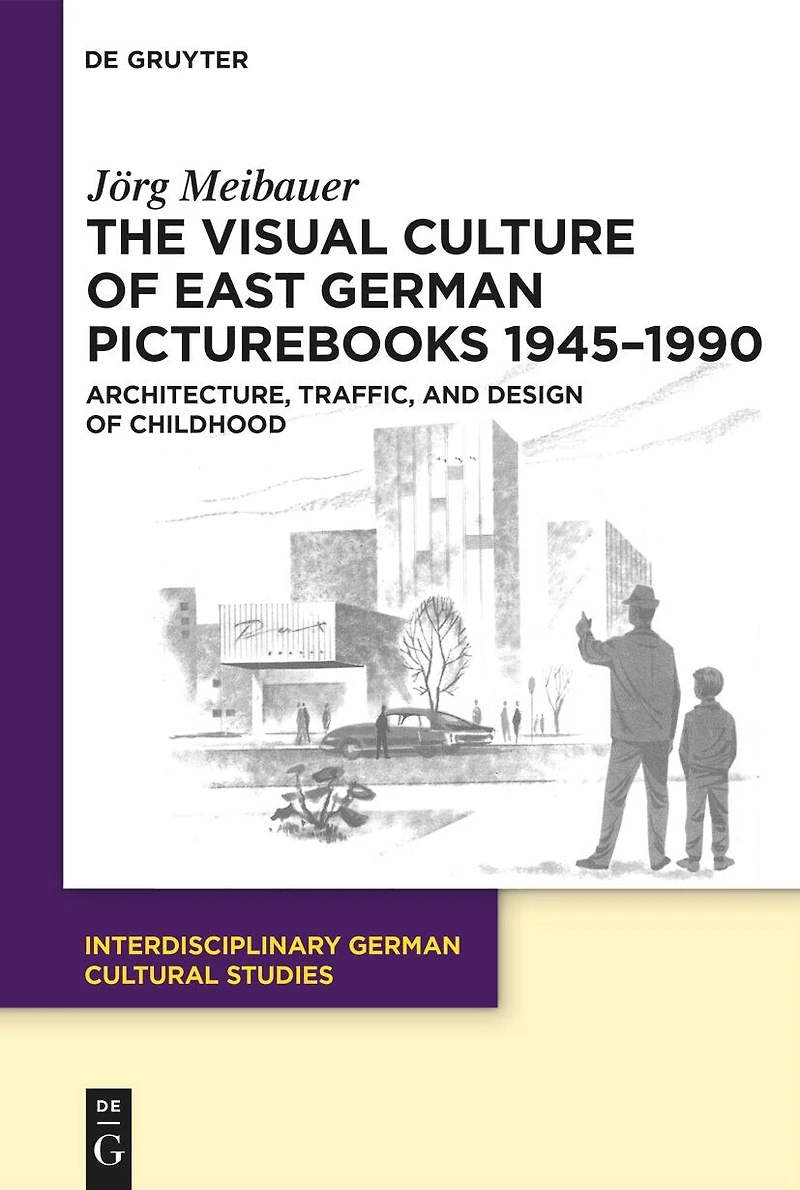
The Visual Culture of East German Picturebooks 1945–1990: Architecture, Traffic, and Design of Childhood in Ottawa, ON
Current price: $152.99

The Visual Culture of East German Picturebooks 1945–1990: Architecture, Traffic, and Design of Childhood in Ottawa, ON
Current price: $152.99
Loading Inventory...
Size: Hardcover
*Product information may vary - to confirm product availability, pricing, shipping and return information please contact Coles
This is the first study to explore picturebooks of the Soviet Occupation Zone and the German Democratic Republic, analyzing them in the context of contemporary history, social and cultural developments and through a precise analysis of selected images and their context. By focusing on areas such as architecture and housing, consumer culture, traffic and transportation, including the iconic role of the Trabant, and the design of childhood, as seen in pioneer uniforms and institutions, the study identifies the unique blend of information about reality and socialist ideology typical of children's visual culture during this period. This specific combination was aimed at shaping children to become socialist personalities. The study thus demonstrates that pictorial representation and its textual integration are crucial for understanding childhood in the immediate post-war period and the German Democratic Republic.
This is the first study to explore picturebooks of the Soviet Occupation Zone and the German Democratic Republic, analyzing them in the context of contemporary history, social and cultural developments and through a precise analysis of selected images and their context. By focusing on areas such as architecture and housing, consumer culture, traffic and transportation, including the iconic role of the Trabant, and the design of childhood, as seen in pioneer uniforms and institutions, the study identifies the unique blend of information about reality and socialist ideology typical of children's visual culture during this period. This specific combination was aimed at shaping children to become socialist personalities. The study thus demonstrates that pictorial representation and its textual integration are crucial for understanding childhood in the immediate post-war period and the German Democratic Republic.
You May Also Like













More About Coles at Bayshore Shopping Centre
Coles is renowned for its outstanding customer service and great selection of books. Along with the vast array of magazines, stationary, audio-books, children's literature, fiction, non-fiction and reference books, you can find accessories to make your reading experience more pleasurable. We can recommend the very best in reading today. We will help you search our titles for exactly what you need, and if we do not have it in stock, we will order it for you.
100 Bayshore Dr, Nepean, ON K2B 8C1, Canada
Find Coles at Bayshore Shopping Centre in Ottawa, ON
Visit Coles at Bayshore Shopping Centre in Ottawa, ON