

Give the Gift of Choice!
Too many options? Treat your friends and family to their favourite stores with a Bayshore Shopping Centre gift card, redeemable at participating retailers throughout the centre. Click below to purchase yours today!Purchase HereHome
The Water of Life: Russian Tales in Jungian Perspective
Coles
Loading Inventory...
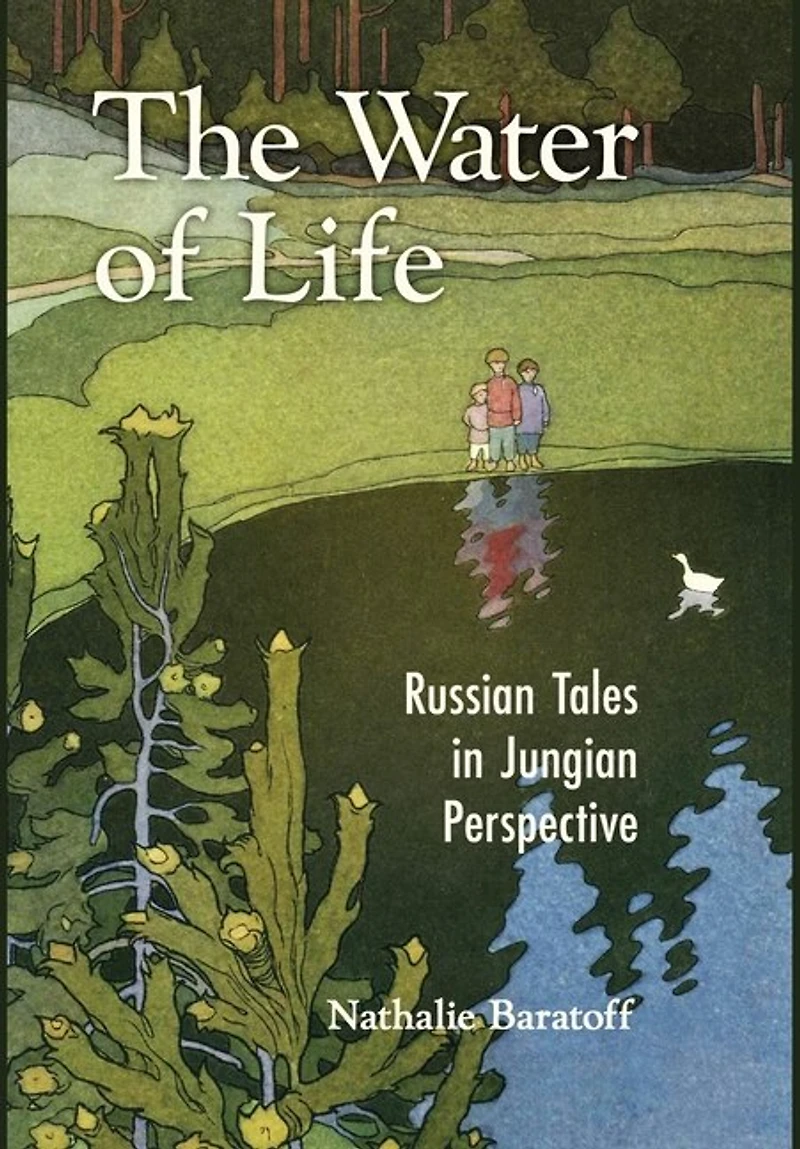
The Water of Life: Russian Tales in Jungian Perspective in Ottawa, ON
Current price: $54.60

The Water of Life: Russian Tales in Jungian Perspective in Ottawa, ON
Current price: $54.60
Loading Inventory...
Size: Hardcover
*Product information may vary - to confirm product availability, pricing, shipping and return information please contact Coles
C.G. Jung's psychology provides a unique understanding of the seven tales in this volume. The archetypal images therein are many-layered. We can see them from the mythological viewpoint as dragons, demons and witches; we find them in rivers of fire, in kingdoms at the bottom of the sea, in talking animals, and in endless transformations that defy human experience. The same images mirror situations of everyday life: the joys of love, success in one's endeavors; but also, abandonment, yearning for offspring, loss of a sheltered existence, as well as the many insurmountable tasks which confront us in life. But the most significant of Jung's insights into the psyche is the realization that all such experiences rest upon an inner reality which needs to be understood symbolically. This is where the archetypal nature of fairy tales is most relevant, for it explains why people of all ages and all levels of society have been fascinated by them; people, often without much formal education, gathered around a fire at the end of a hard day and, gazing into the flames, followed the images arising from the storyteller's words. Today, many have by and large lost the capacity for such experiences. Children still do; adults are often distracted by the demands of outer life. And yet, fairy tales retell fundamental experiences of life which are timeless.
C.G. Jung's psychology provides a unique understanding of the seven tales in this volume. The archetypal images therein are many-layered. We can see them from the mythological viewpoint as dragons, demons and witches; we find them in rivers of fire, in kingdoms at the bottom of the sea, in talking animals, and in endless transformations that defy human experience. The same images mirror situations of everyday life: the joys of love, success in one's endeavors; but also, abandonment, yearning for offspring, loss of a sheltered existence, as well as the many insurmountable tasks which confront us in life. But the most significant of Jung's insights into the psyche is the realization that all such experiences rest upon an inner reality which needs to be understood symbolically. This is where the archetypal nature of fairy tales is most relevant, for it explains why people of all ages and all levels of society have been fascinated by them; people, often without much formal education, gathered around a fire at the end of a hard day and, gazing into the flames, followed the images arising from the storyteller's words. Today, many have by and large lost the capacity for such experiences. Children still do; adults are often distracted by the demands of outer life. And yet, fairy tales retell fundamental experiences of life which are timeless.
You May Also Like









More About Coles at Bayshore Shopping Centre
Coles is renowned for its outstanding customer service and great selection of books. Along with the vast array of magazines, stationary, audio-books, children's literature, fiction, non-fiction and reference books, you can find accessories to make your reading experience more pleasurable. We can recommend the very best in reading today. We will help you search our titles for exactly what you need, and if we do not have it in stock, we will order it for you.
100 Bayshore Dr, Nepean, ON K2B 8C1, Canada
Find Coles at Bayshore Shopping Centre in Ottawa, ON
Visit Coles at Bayshore Shopping Centre in Ottawa, ON