

Give the Gift of Choice!
Too many options? Treat your friends and family to their favourite stores with a Bayshore Shopping Centre gift card, redeemable at participating retailers throughout the centre. Click below to purchase yours today!Purchase HereHome
The Wealth of Women: Understanding Islamic Financial Laws
Coles
Loading Inventory...
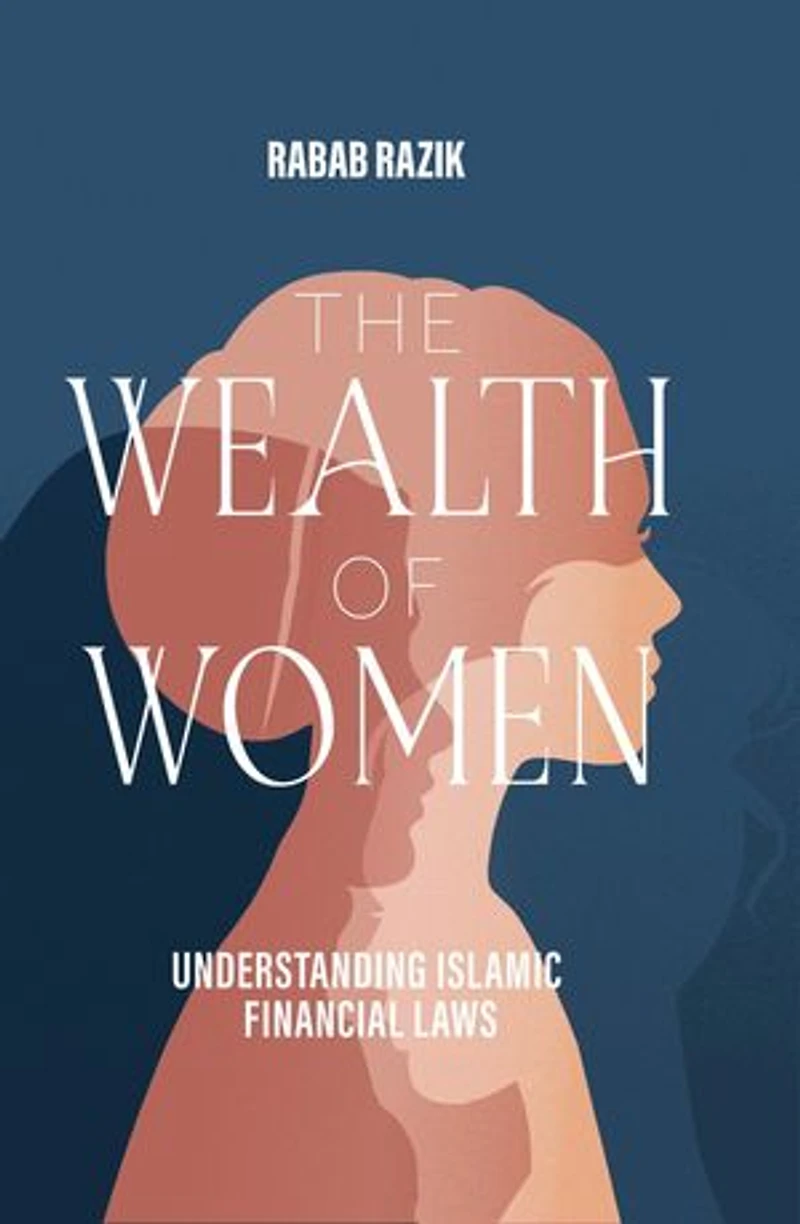
The Wealth of Women: Understanding Islamic Financial Laws in Ottawa, ON
Current price: $20.79
Original price: $25.99

The Wealth of Women: Understanding Islamic Financial Laws in Ottawa, ON
Current price: $20.79
Original price: $25.99
Loading Inventory...
Size: Kobo eBook
*Product information may vary - to confirm product availability, pricing, shipping and return information please contact Coles
Embark on a journey through the various stages of life, from marriage to divorce and widowhood, to witness how women living within the Islamic tradition are endowed with the right to safeguard their financial independence. This comprehensive exploration confronts an ongoing disconnect between Islamic law and Muslim family dynamics to equip men and women alike with the knowledge and tools to uphold an important body of Islamic financial laws. Importantly, the book fosters a deep understanding of how Islamic financial empowerment plays a pivotal role in shaping not just the lives of women and their family members, but society as a whole.
Finally and perhaps most crucially, this book highlights the need for fiqh scholars to review past Islamic rulings that were meant to achieve justice and prevent harm in their own historical contexts, and to then develop Islamic rulings with the same goals in today's settings.
Embark on a journey through the various stages of life, from marriage to divorce and widowhood, to witness how women living within the Islamic tradition are endowed with the right to safeguard their financial independence. This comprehensive exploration confronts an ongoing disconnect between Islamic law and Muslim family dynamics to equip men and women alike with the knowledge and tools to uphold an important body of Islamic financial laws. Importantly, the book fosters a deep understanding of how Islamic financial empowerment plays a pivotal role in shaping not just the lives of women and their family members, but society as a whole.
Finally and perhaps most crucially, this book highlights the need for fiqh scholars to review past Islamic rulings that were meant to achieve justice and prevent harm in their own historical contexts, and to then develop Islamic rulings with the same goals in today's settings.
You May Also Like














More About Coles at Bayshore Shopping Centre
Coles is renowned for its outstanding customer service and great selection of books. Along with the vast array of magazines, stationary, audio-books, children's literature, fiction, non-fiction and reference books, you can find accessories to make your reading experience more pleasurable. We can recommend the very best in reading today. We will help you search our titles for exactly what you need, and if we do not have it in stock, we will order it for you.
100 Bayshore Dr, Nepean, ON K2B 8C1, Canada
Find Coles at Bayshore Shopping Centre in Ottawa, ON
Visit Coles at Bayshore Shopping Centre in Ottawa, ON