

Give the Gift of Choice!
Too many options? Treat your friends and family to their favourite stores with a Bayshore Shopping Centre gift card, redeemable at participating retailers throughout the centre. Click below to purchase yours today!Purchase HereHome
The Wingtip Prophecy
Coles
Loading Inventory...
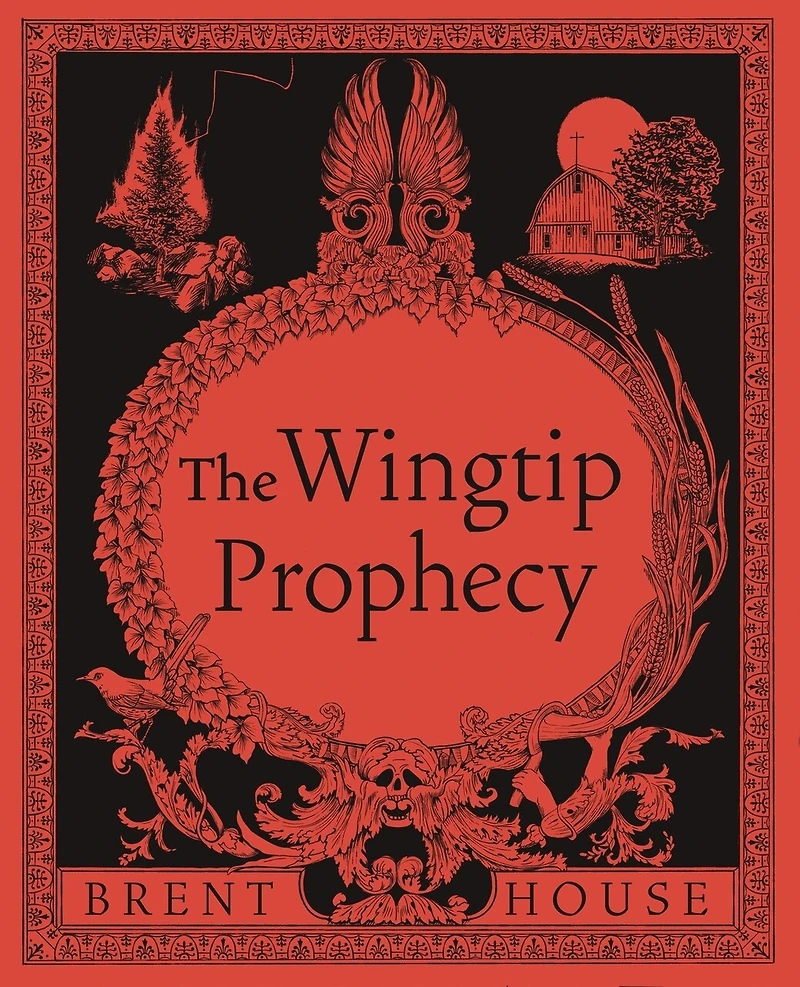
The Wingtip Prophecy in Ottawa, ON
Current price: $22.99

The Wingtip Prophecy in Ottawa, ON
Current price: $22.99
Loading Inventory...
Size: Paperback
*Product information may vary - to confirm product availability, pricing, shipping and return information please contact Coles
Brent House's debut poetry collection, The Wingtip Prophecy, augers through the soil of the American South, offering both prophetic and pastoral visions of the rural landscapes remaining on the margins of contemporary life. In a language both strangely familiar yet utterly new, House invites readers into his "neck of the woods," then cries loudly, "Behold." There's much for the eye to behold -and plenty for the ear to hear-in this collection, as we encounter "a jar filled with moonshine" and "the mantic threnody of the mockingbird." In a "field with the smoothness of vellum," we might hear sounds "wafting through the narrow rows of produce." In the midst of this pastoral setting, however, we're also being warned of "a jubilee of tolerant scars" and the "aleatory bloom [that will] deepen each fall to germination." Images and sounds overwhelm the author occasionally in these poems, but rather than succumb to silence, he sometimes chooses to speak in lists: lists of foods, lists of names, lists of places, and lists of words that once permeated his native culture. House's poems unearth the artifacts of rural America and bring them into new light. Like generations of poets from the American South-with James Dickey's influence especially evident-he offers a postage stamp portrait of a particular society, in a voice that claims its own particular sound.
Brent House's debut poetry collection, The Wingtip Prophecy, augers through the soil of the American South, offering both prophetic and pastoral visions of the rural landscapes remaining on the margins of contemporary life. In a language both strangely familiar yet utterly new, House invites readers into his "neck of the woods," then cries loudly, "Behold." There's much for the eye to behold -and plenty for the ear to hear-in this collection, as we encounter "a jar filled with moonshine" and "the mantic threnody of the mockingbird." In a "field with the smoothness of vellum," we might hear sounds "wafting through the narrow rows of produce." In the midst of this pastoral setting, however, we're also being warned of "a jubilee of tolerant scars" and the "aleatory bloom [that will] deepen each fall to germination." Images and sounds overwhelm the author occasionally in these poems, but rather than succumb to silence, he sometimes chooses to speak in lists: lists of foods, lists of names, lists of places, and lists of words that once permeated his native culture. House's poems unearth the artifacts of rural America and bring them into new light. Like generations of poets from the American South-with James Dickey's influence especially evident-he offers a postage stamp portrait of a particular society, in a voice that claims its own particular sound.
You May Also Like

%252Fimages%252Fcatalog2024%252F288326_1.jpg_medium.webp)













More About Coles at Bayshore Shopping Centre
Coles is renowned for its outstanding customer service and great selection of books. Along with the vast array of magazines, stationary, audio-books, children's literature, fiction, non-fiction and reference books, you can find accessories to make your reading experience more pleasurable. We can recommend the very best in reading today. We will help you search our titles for exactly what you need, and if we do not have it in stock, we will order it for you.
100 Bayshore Dr, Nepean, ON K2B 8C1, Canada
Find Coles at Bayshore Shopping Centre in Ottawa, ON
Visit Coles at Bayshore Shopping Centre in Ottawa, ON