

Give the Gift of Choice!
Too many options? Treat your friends and family to their favourite stores with a Bayshore Shopping Centre gift card, redeemable at participating retailers throughout the centre. Click below to purchase yours today!Purchase HereHome
The World Reimagined: Americans And Human Rights Twentieth Century
Coles
Loading Inventory...
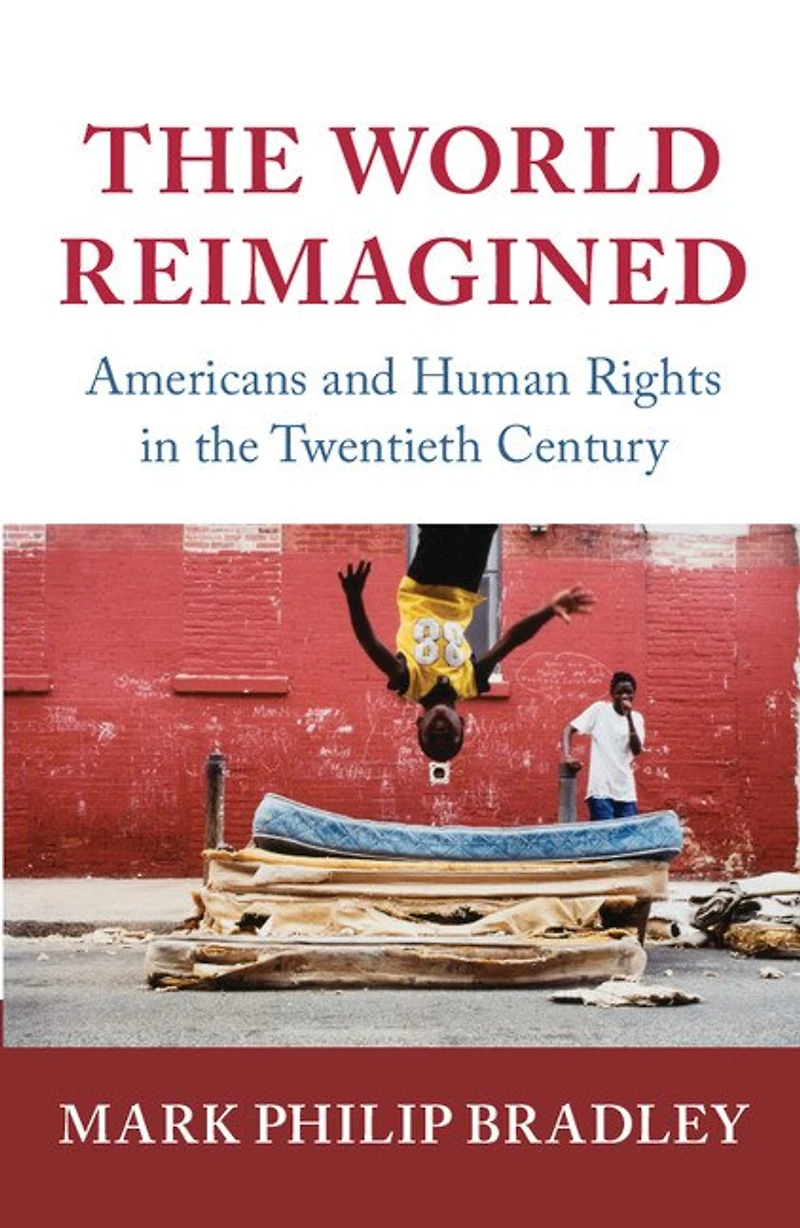
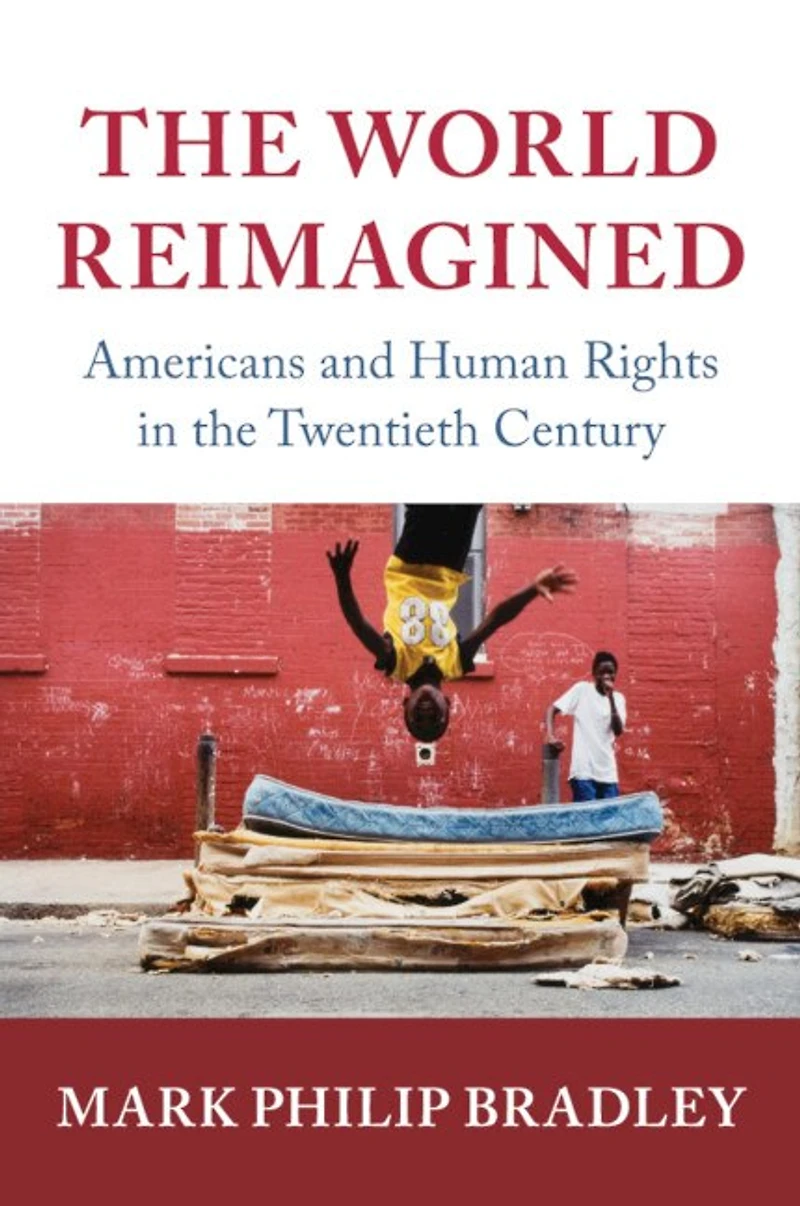
The World Reimagined: Americans And Human Rights Twentieth Century in Ottawa, ON
Current price: $56.95

The World Reimagined: Americans And Human Rights Twentieth Century in Ottawa, ON
Current price: $56.95
Loading Inventory...
Size: Hardcover
*Product information may vary - to confirm product availability, pricing, shipping and return information please contact Coles
Concerns about rights in the United States have a long history, but the articulation of global human rights in the twentieth century was something altogether different. Global human rights offered individuals unprecedented guarantees beyond the nation for the protection of political, economic, social and cultural freedoms. The World Reimagined explores how these revolutionary developments first became believable to Americans in the 1940s and the 1970s through everyday vernaculars as they emerged in political and legal thought, photography, film, novels, memoirs and soundscapes. Together, they offered fundamentally novel ways for Americans to understand what it means to feel free, culminating in today's ubiquitous moral language of human rights. Set against a sweeping transnational canvas, the book presents a new history of how Americans thought and acted in the twentieth-century world.
Concerns about rights in the United States have a long history, but the articulation of global human rights in the twentieth century was something altogether different. Global human rights offered individuals unprecedented guarantees beyond the nation for the protection of political, economic, social and cultural freedoms. The World Reimagined explores how these revolutionary developments first became believable to Americans in the 1940s and the 1970s through everyday vernaculars as they emerged in political and legal thought, photography, film, novels, memoirs and soundscapes. Together, they offered fundamentally novel ways for Americans to understand what it means to feel free, culminating in today's ubiquitous moral language of human rights. Set against a sweeping transnational canvas, the book presents a new history of how Americans thought and acted in the twentieth-century world.
You May Also Like









More About Coles at Bayshore Shopping Centre
Coles is renowned for its outstanding customer service and great selection of books. Along with the vast array of magazines, stationary, audio-books, children's literature, fiction, non-fiction and reference books, you can find accessories to make your reading experience more pleasurable. We can recommend the very best in reading today. We will help you search our titles for exactly what you need, and if we do not have it in stock, we will order it for you.
100 Bayshore Dr, Nepean, ON K2B 8C1, Canada
Find Coles at Bayshore Shopping Centre in Ottawa, ON
Visit Coles at Bayshore Shopping Centre in Ottawa, ON