

Give the Gift of Choice!
Too many options? Treat your friends and family to their favourite stores with a Bayshore Shopping Centre gift card, redeemable at participating retailers throughout the centre. Click below to purchase yours today!Purchase HereHome
Theories of Ballet in the Age of the Encyclopédie
Coles
Loading Inventory...
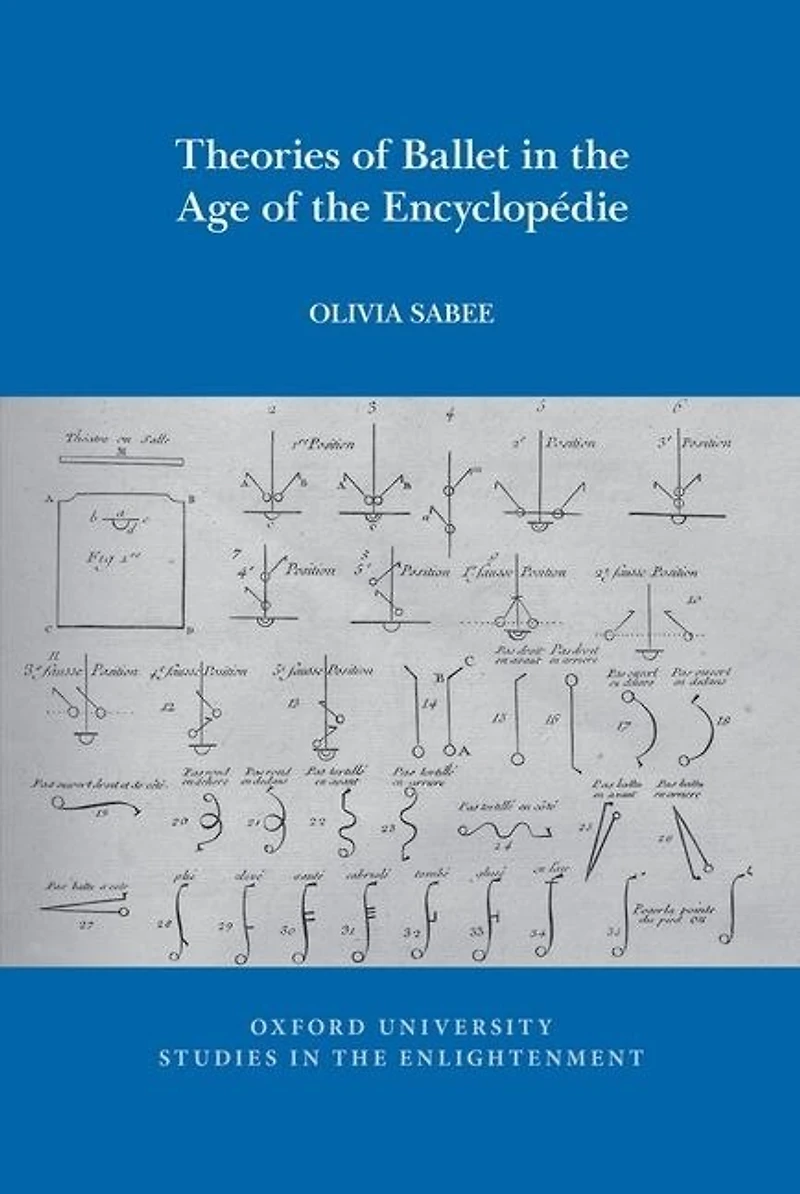
Theories of Ballet in the Age of the Encyclopédie in Ottawa, ON
Current price: $148.95

Theories of Ballet in the Age of the Encyclopédie in Ottawa, ON
Current price: $148.95
Loading Inventory...
Size: Paperback
*Product information may vary - to confirm product availability, pricing, shipping and return information please contact Coles
In Enlightenment Europe, a new form of pantomime ballet emerged, through the dual channels of theorization in print and experimentation onstage. Emphasizing eighteenth-century ballet’s construction through print culture, Theories of Ballet in the Age of the Encyclopdie follows two parallel paths—standalone treatises on ballet and dance and encyclopedias—to examine the shifting definition of ballet over the second half of the eighteenth century. Bringing together the Encyclopdie and its Supplment , the Encyclopdie mthodique , and the Encyclopdie d’Yverdon with the works of Jean-Georges Noverre, Louis de Cahusac, and Charles Compan, it traces how the recycling and recombining of discourses about dance, theatre, and movement arts directly affected the process of defining ballet. At the same time, it emphasizes the role of textual borrowing and compilation in disseminating knowledge during the Enlightenment, examining the differences between placing borrowed texts into encyclopedias of various types as well as into journal format, arguing that context has the potential to play a role equally important to content in shaping a reader’s understanding, and that the Encyclopdie mthodique presented ballet in a way that diverged radically from both the Encyclopdie and Noverre’s Lettres sur la danse .
In Enlightenment Europe, a new form of pantomime ballet emerged, through the dual channels of theorization in print and experimentation onstage. Emphasizing eighteenth-century ballet’s construction through print culture, Theories of Ballet in the Age of the Encyclopdie follows two parallel paths—standalone treatises on ballet and dance and encyclopedias—to examine the shifting definition of ballet over the second half of the eighteenth century. Bringing together the Encyclopdie and its Supplment , the Encyclopdie mthodique , and the Encyclopdie d’Yverdon with the works of Jean-Georges Noverre, Louis de Cahusac, and Charles Compan, it traces how the recycling and recombining of discourses about dance, theatre, and movement arts directly affected the process of defining ballet. At the same time, it emphasizes the role of textual borrowing and compilation in disseminating knowledge during the Enlightenment, examining the differences between placing borrowed texts into encyclopedias of various types as well as into journal format, arguing that context has the potential to play a role equally important to content in shaping a reader’s understanding, and that the Encyclopdie mthodique presented ballet in a way that diverged radically from both the Encyclopdie and Noverre’s Lettres sur la danse .
You May Also Like











More About Coles at Bayshore Shopping Centre
Coles is renowned for its outstanding customer service and great selection of books. Along with the vast array of magazines, stationary, audio-books, children's literature, fiction, non-fiction and reference books, you can find accessories to make your reading experience more pleasurable. We can recommend the very best in reading today. We will help you search our titles for exactly what you need, and if we do not have it in stock, we will order it for you.
100 Bayshore Dr, Nepean, ON K2B 8C1, Canada
Find Coles at Bayshore Shopping Centre in Ottawa, ON
Visit Coles at Bayshore Shopping Centre in Ottawa, ON