

Give the Gift of Choice!
Too many options? Treat your friends and family to their favourite stores with a Bayshore Shopping Centre gift card, redeemable at participating retailers throughout the centre. Click below to purchase yours today!Purchase HereHome
Therapeutic Angiogenesis
Coles
Loading Inventory...
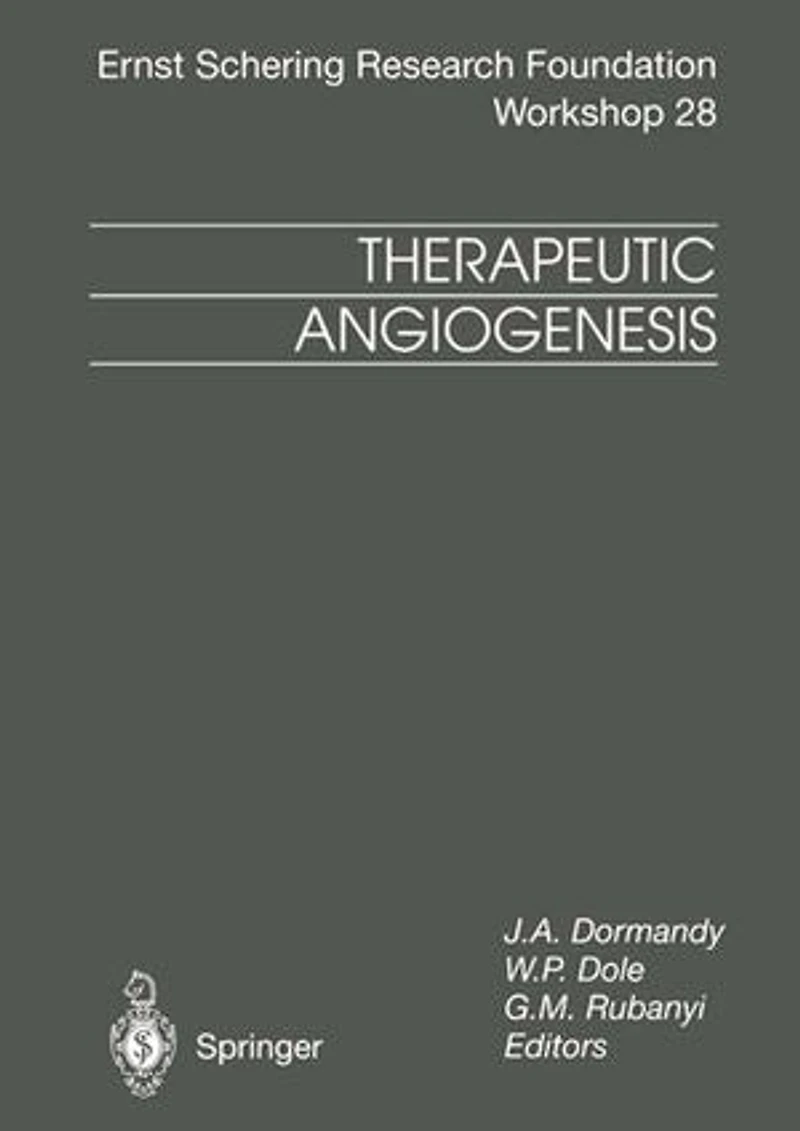
Therapeutic Angiogenesis in Ottawa, ON
Current price: $64.49
Original price: $80.62

Therapeutic Angiogenesis in Ottawa, ON
Current price: $64.49
Original price: $80.62
Loading Inventory...
Size: Kobo eBook
*Product information may vary - to confirm product availability, pricing, shipping and return information please contact Coles
Over the past decade, rapid progress had been made in elucidating the cellular and molecular mechanisms of new blood vessel formation in both health and disease. Lack of sufficient angiogenesis (new capillary development) and collateral formation (remodeling of existing blood vessels) in adult tissues (e. g. , heart, brain, skeletal muscle) during criti cal ischemia has prompted novel therapeutic strategies to stimulate/fa cilitate angiogenesis and collateral formation in ischemic conditions ("therapeutic angiogenesis"). Therapeutic angiogenesis describes a strategy of inducing new col lateral vessels that can bypass vascular obstructions caused by atherosclerotic disease and stimulating new capillaries that can en hance tissue oxygen exchange. Naturally occurring growth factors (e. g. , FGFs, VEGFs) have been identified and demonstrated to induce new blood vessel formation in the adult organism. The therapeutic ap plication of these growth factors has been demonstrated to enhance these natural processes and have been shown in a number of animal models to increase blood flow and oxygen exchange to ischemic tis sues. Therapeutic angiogenesis therefore represents a new medical principle that is anticipated to be used as an adjunct or alternative to angioplasty and/or bypass surgery. A number of strategies have been proposed and tested to deliver growth factors. One strategy is the direct administration of the growth factor protein by intramuscular, intraarte rial or intravenous delivery.
Over the past decade, rapid progress had been made in elucidating the cellular and molecular mechanisms of new blood vessel formation in both health and disease. Lack of sufficient angiogenesis (new capillary development) and collateral formation (remodeling of existing blood vessels) in adult tissues (e. g. , heart, brain, skeletal muscle) during criti cal ischemia has prompted novel therapeutic strategies to stimulate/fa cilitate angiogenesis and collateral formation in ischemic conditions ("therapeutic angiogenesis"). Therapeutic angiogenesis describes a strategy of inducing new col lateral vessels that can bypass vascular obstructions caused by atherosclerotic disease and stimulating new capillaries that can en hance tissue oxygen exchange. Naturally occurring growth factors (e. g. , FGFs, VEGFs) have been identified and demonstrated to induce new blood vessel formation in the adult organism. The therapeutic ap plication of these growth factors has been demonstrated to enhance these natural processes and have been shown in a number of animal models to increase blood flow and oxygen exchange to ischemic tis sues. Therapeutic angiogenesis therefore represents a new medical principle that is anticipated to be used as an adjunct or alternative to angioplasty and/or bypass surgery. A number of strategies have been proposed and tested to deliver growth factors. One strategy is the direct administration of the growth factor protein by intramuscular, intraarte rial or intravenous delivery.
You May Also Like











More About Coles at Bayshore Shopping Centre
Coles is renowned for its outstanding customer service and great selection of books. Along with the vast array of magazines, stationary, audio-books, children's literature, fiction, non-fiction and reference books, you can find accessories to make your reading experience more pleasurable. We can recommend the very best in reading today. We will help you search our titles for exactly what you need, and if we do not have it in stock, we will order it for you.
100 Bayshore Dr, Nepean, ON K2B 8C1, Canada
Find Coles at Bayshore Shopping Centre in Ottawa, ON
Visit Coles at Bayshore Shopping Centre in Ottawa, ON