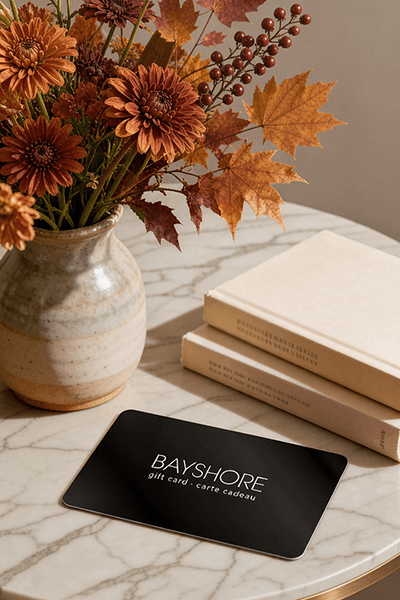
Too many options? Treat your friends and family to their favourite stores with a Bayshore Shopping Centre gift card, redeemable at participating retailers throughout the centre. Click below to purchase yours today!Purchase Here
Coles Theurgia, or The Egyptian Mysteries at Bayshore Shopping Centre in Ottawa, ON
*Product information may vary - to confirm product availability, pricing, shipping and return information please contact Coles
2023 Reprint of the 1911 Edition. Full facsimile of the original edition and not reproduced with Optical Recognition Software. Theurgy, also known as divine magic, is one of two major branches of the magical arts, the other being practical magic or thaumaturgy. Theurgy describes the ritual practices associated with the invocation or evocation of the presence of one or more deities (also called "godforms"), especially with the goal of achieving henosis (uniting with the divine) and perfecting oneself. Theurgia is a work of Neoplatonic philosophy primarily concerned with ritual and theurgy and attributed to Iamblichus. It is mostly a reply by Iamblichus to criticisms by Porphyry, a contemporary. Iamblichus was a neoplatonic philosopher of Arab origin.
2023 Reprint of the 1911 Edition. Full facsimile of the original edition and not reproduced with Optical Recognition Software. Theurgy, also known as divine magic, is one of two major branches of the magical arts, the other being practical magic or thaumaturgy. Theurgy describes the ritual practices associated with the invocation or evocation of the presence of one or more deities (also called "godforms"), especially with the goal of achieving henosis (uniting with the divine) and perfecting oneself. Theurgia is a work of Neoplatonic philosophy primarily concerned with ritual and theurgy and attributed to Iamblichus. It is mostly a reply by Iamblichus to criticisms by Porphyry, a contemporary. Iamblichus was a neoplatonic philosopher of Arab origin.
Coles is renowned for its outstanding customer service and great selection of books. Along with the vast array of magazines, stationary, audio-books, children's literature, fiction, non-fiction and reference books, you can find accessories to make your reading experience more pleasurable. We can recommend the very best in reading today. We will help you search our titles for exactly what you need, and if we do not have it in stock, we will order it for you.