

Give the Gift of Choice!
Too many options? Treat your friends and family to their favourite stores with a Bayshore Shopping Centre gift card, redeemable at participating retailers throughout the centre. Click below to purchase yours today!Purchase HereHome
Thinking Europe’s Catastrophe: Essays on Fascism and the Holocaust
Coles
Loading Inventory...
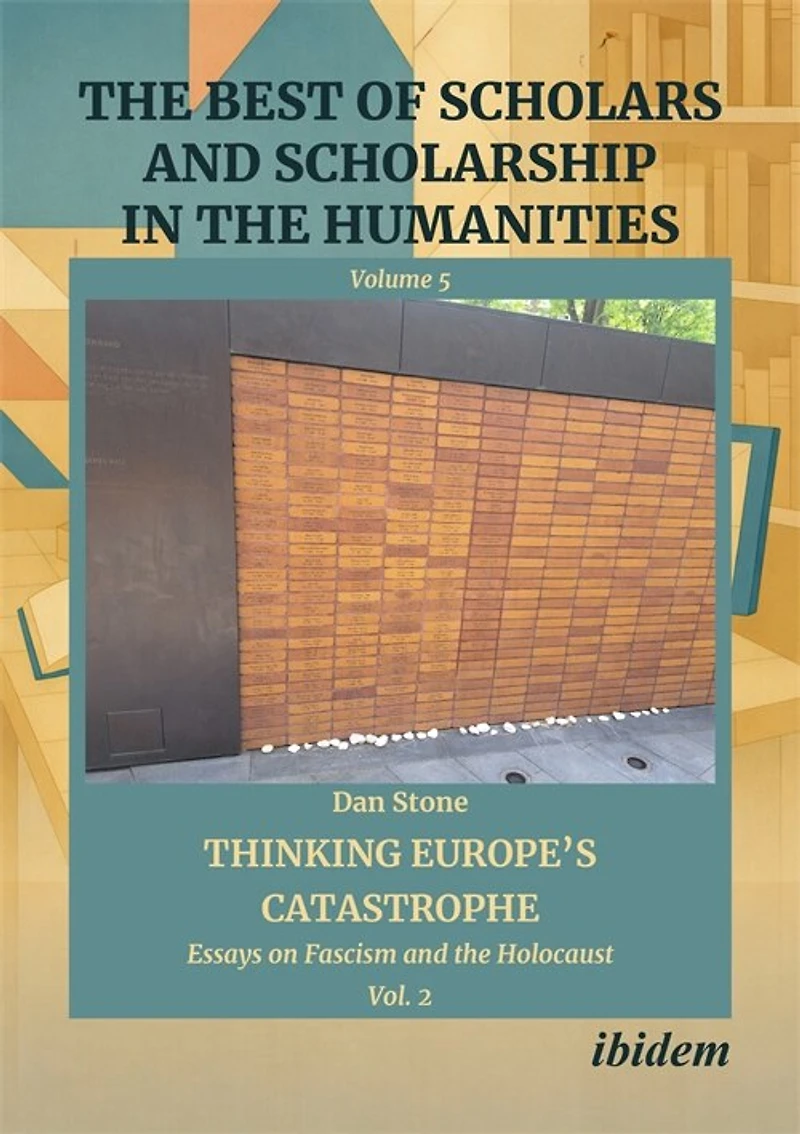
Thinking Europe’s Catastrophe: Essays on Fascism and the Holocaust in Ottawa, ON
Current price: $135.00

Thinking Europe’s Catastrophe: Essays on Fascism and the Holocaust in Ottawa, ON
Current price: $135.00
Loading Inventory...
Size: Hardcover
*Product information may vary - to confirm product availability, pricing, shipping and return information please contact Coles
Thinking Europe’s Catastrophe: Selected Essays brings together some of historian Dan Stone’s most influential articles. With a focus on the history and interpretation of the Holocaust, the chapters range widely in history of ideas especially the idea of ‘race’, fascism, and genocide. Social history, international history, and the history of the human sciences are all represented here. From studies of individual thinkers from a range of scholarly backgrounds, to analyses of postwar tracing, open source intelligence, archival history, psychoanalysis, and collective memory, these chapters offer a way into Stone’s large body of work and show how his various approaches to the past are united by the attempt to uncover, from as wide a perspective as possible, the sources of Europe’s mid-twentieth-century catastrophe and to appreciate the Holocaust’s effects on the postwar world.
Thinking Europe’s Catastrophe: Selected Essays brings together some of historian Dan Stone’s most influential articles. With a focus on the history and interpretation of the Holocaust, the chapters range widely in history of ideas especially the idea of ‘race’, fascism, and genocide. Social history, international history, and the history of the human sciences are all represented here. From studies of individual thinkers from a range of scholarly backgrounds, to analyses of postwar tracing, open source intelligence, archival history, psychoanalysis, and collective memory, these chapters offer a way into Stone’s large body of work and show how his various approaches to the past are united by the attempt to uncover, from as wide a perspective as possible, the sources of Europe’s mid-twentieth-century catastrophe and to appreciate the Holocaust’s effects on the postwar world.
You May Also Like











More About Coles at Bayshore Shopping Centre
Coles is renowned for its outstanding customer service and great selection of books. Along with the vast array of magazines, stationary, audio-books, children's literature, fiction, non-fiction and reference books, you can find accessories to make your reading experience more pleasurable. We can recommend the very best in reading today. We will help you search our titles for exactly what you need, and if we do not have it in stock, we will order it for you.
100 Bayshore Dr, Nepean, ON K2B 8C1, Canada
Find Coles at Bayshore Shopping Centre in Ottawa, ON
Visit Coles at Bayshore Shopping Centre in Ottawa, ON