

Give the Gift of Choice!
Too many options? Treat your friends and family to their favourite stores with a Bayshore Shopping Centre gift card, redeemable at participating retailers throughout the centre. Click below to purchase yours today!Purchase HereHome
This Is My Jail: Local Politics and the Rise of Mass Incarceration
Coles
Loading Inventory...
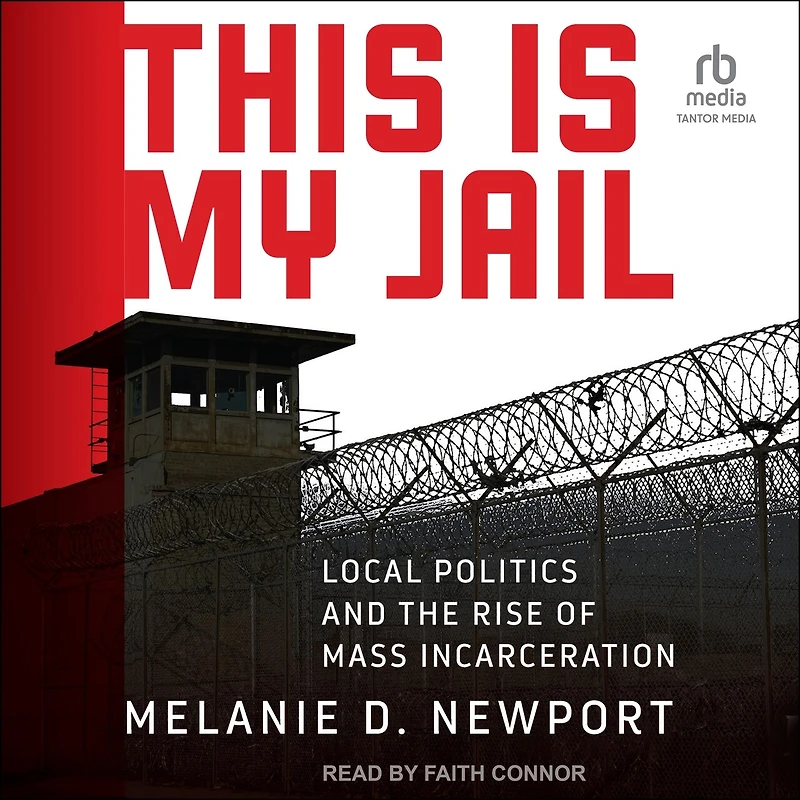
This Is My Jail: Local Politics and the Rise of Mass Incarceration in Ottawa, ON
Current price: $64.95

This Is My Jail: Local Politics and the Rise of Mass Incarceration in Ottawa, ON
Current price: $64.95
Loading Inventory...
Size: Audiobook (2023 A)
*Product information may vary - to confirm product availability, pricing, shipping and return information please contact Coles
While state and federal prisons like Attica and Alcatraz occupy a central place in the national consciousness, most incarceration in the US occurs within the walls of local jails. In This Is My Jail , Melanie D. Newport situates the late twentieth-century escalation of mass incarceration in a longer history of racialized, politically repressive jailing. Centering the political actions of people until now overlooked—jailed people, wardens, corrections officers, sheriffs, and the countless community members who battled over the functions and impact of jails—Newport shows how local, grassroots contestation shaped the rise of the carceral state. As ground zero for struggles over criminal justice reform, jails in Chicago and Cook County were models for jailers and advocates across the nation who aimed to redefine jails as institutions of benevolent transformation. From a slave sale on the jail steps to new jail buildings to electronic monitoring, from therapy to job training, these efforts further criminalized jailed people and diminished their capacity to organize for their civil rights. With prisoners as famous as Al Capone, Dick Gregory, and Harold Washington, and a place in culture ranging from Upton Sinclair's The Jungle to B. B. King's Live in Cook County Jail , This Is My Jail places jails at the heart of twentieth-century urban life and politics.
While state and federal prisons like Attica and Alcatraz occupy a central place in the national consciousness, most incarceration in the US occurs within the walls of local jails. In This Is My Jail , Melanie D. Newport situates the late twentieth-century escalation of mass incarceration in a longer history of racialized, politically repressive jailing. Centering the political actions of people until now overlooked—jailed people, wardens, corrections officers, sheriffs, and the countless community members who battled over the functions and impact of jails—Newport shows how local, grassroots contestation shaped the rise of the carceral state. As ground zero for struggles over criminal justice reform, jails in Chicago and Cook County were models for jailers and advocates across the nation who aimed to redefine jails as institutions of benevolent transformation. From a slave sale on the jail steps to new jail buildings to electronic monitoring, from therapy to job training, these efforts further criminalized jailed people and diminished their capacity to organize for their civil rights. With prisoners as famous as Al Capone, Dick Gregory, and Harold Washington, and a place in culture ranging from Upton Sinclair's The Jungle to B. B. King's Live in Cook County Jail , This Is My Jail places jails at the heart of twentieth-century urban life and politics.
You May Also Like












More About Coles at Bayshore Shopping Centre
Coles is renowned for its outstanding customer service and great selection of books. Along with the vast array of magazines, stationary, audio-books, children's literature, fiction, non-fiction and reference books, you can find accessories to make your reading experience more pleasurable. We can recommend the very best in reading today. We will help you search our titles for exactly what you need, and if we do not have it in stock, we will order it for you.
100 Bayshore Dr, Nepean, ON K2B 8C1, Canada
Find Coles at Bayshore Shopping Centre in Ottawa, ON
Visit Coles at Bayshore Shopping Centre in Ottawa, ON