

Give the Gift of Choice!
Too many options? Treat your friends and family to their favourite stores with a Bayshore Shopping Centre gift card, redeemable at participating retailers throughout the centre. Click below to purchase yours today!Purchase HereHome
Three Pillars of Skepticism Classical India: Nagarjuna, Jayarasi, and Sri Harsa
Coles
Loading Inventory...
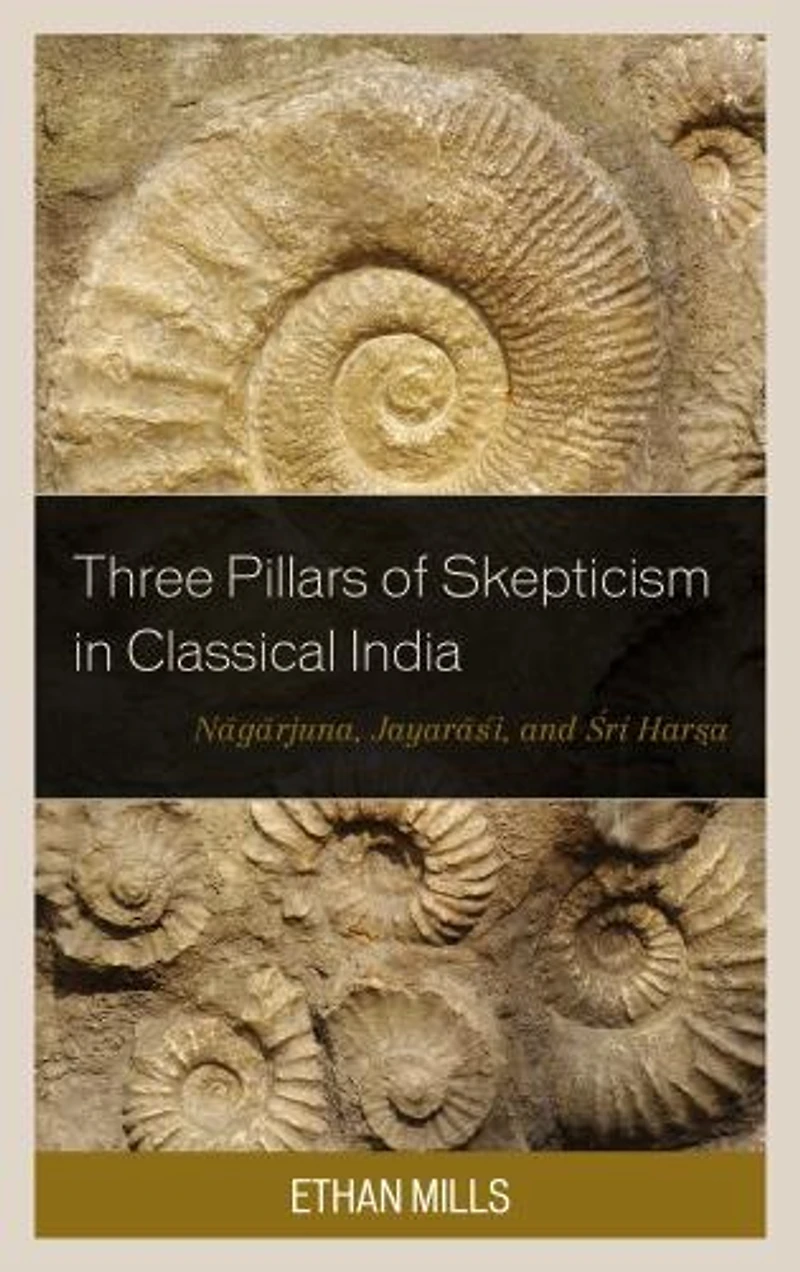
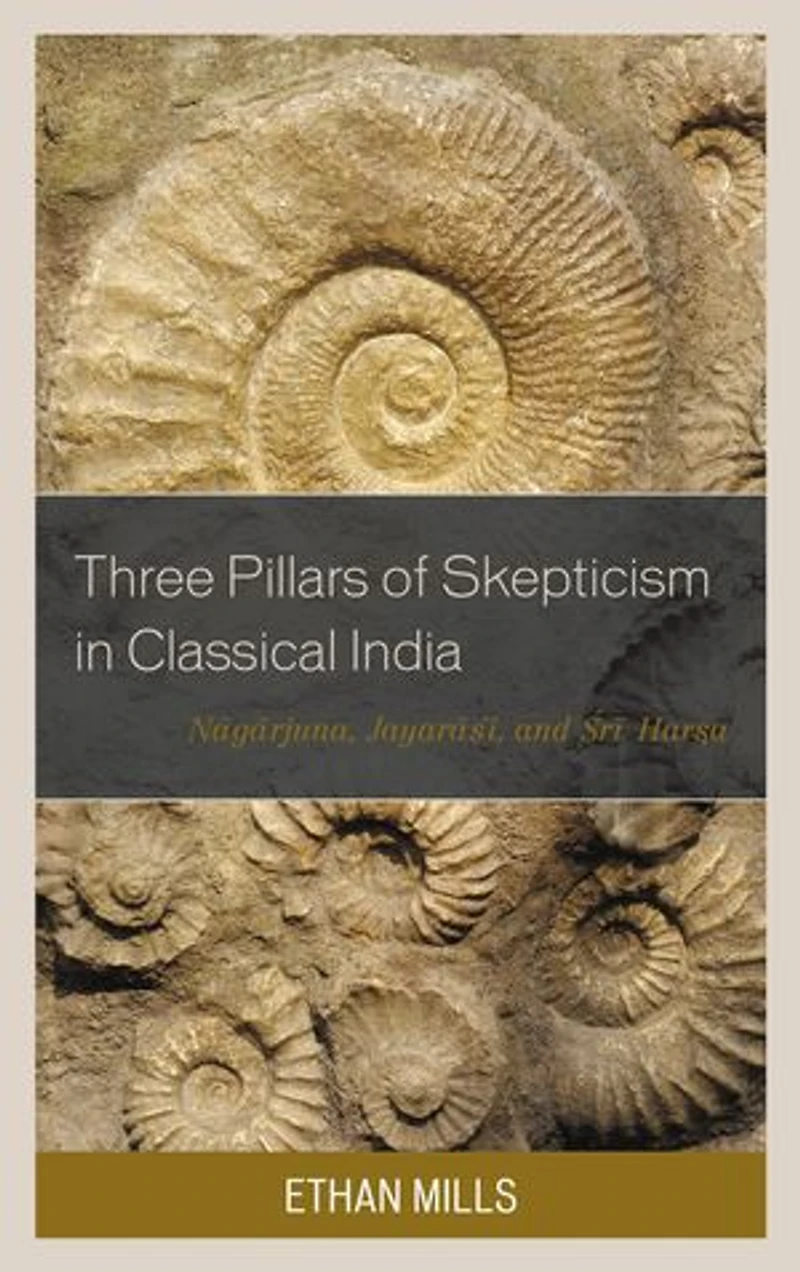
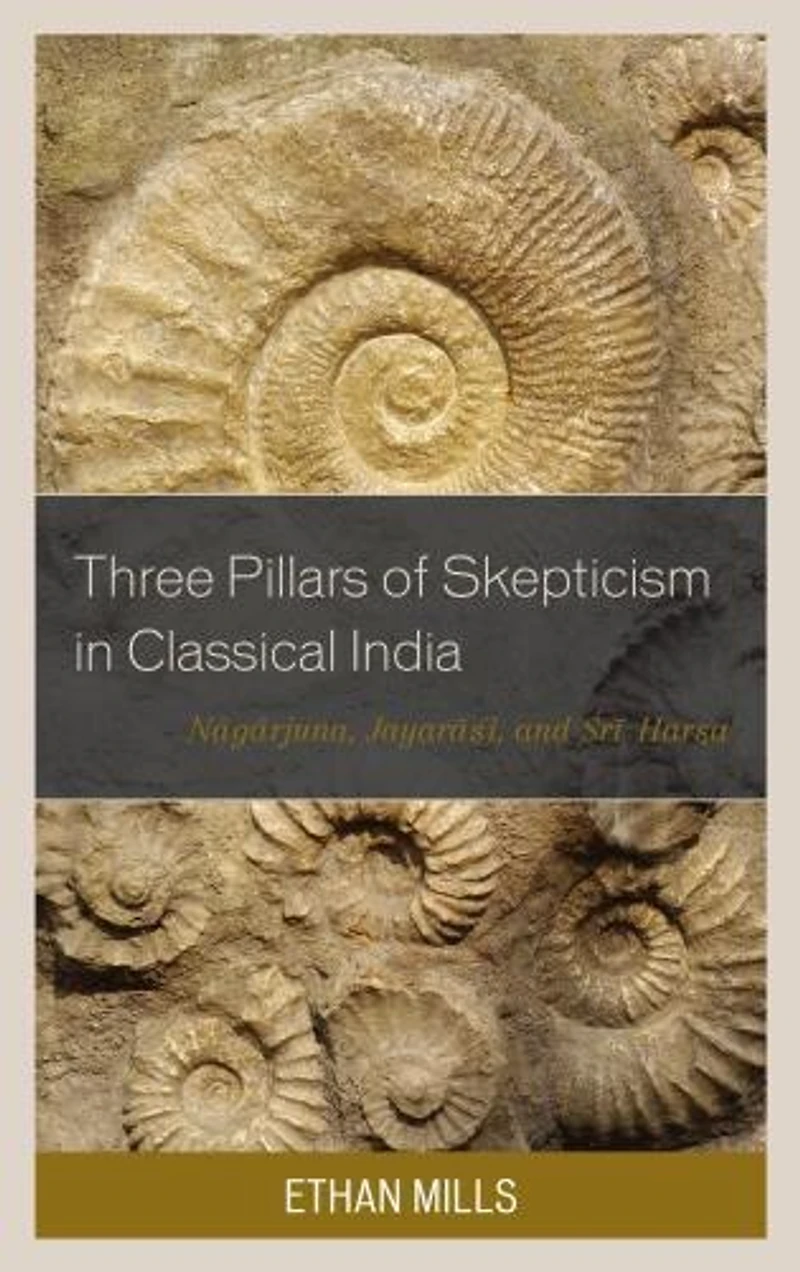
Three Pillars of Skepticism Classical India: Nagarjuna, Jayarasi, and Sri Harsa in Ottawa, ON
Current price: $189.95

Three Pillars of Skepticism Classical India: Nagarjuna, Jayarasi, and Sri Harsa in Ottawa, ON
Current price: $189.95
Loading Inventory...
Size: Hardcover
*Product information may vary - to confirm product availability, pricing, shipping and return information please contact Coles
Beginning with the earliest strata of Indian philosophy, this book uncovers a distinct tradition of skepticism in Indian philosophy through a study of the "three pillars" of Indian skepticism near the beginning, middle, and end of the classical era: Nagarjuna (c. 150-200 CE), Jayarasi (c. 770-830 CE), and Sri Har?a (c. 1125-1180 CE). Moving beyond the traditional school model of understanding the history of Indian philosophy, this book argues that the philosophical history of India contains a tradition of skepticism about philosophy represented most clearly by three figures coming from different schools but utilizing similar methods: Nagarjuna, Jayarasi, and Sri Har?a. This book argues that there is a category of skepticism often overlooked by philosophers today: skepticism about philosophy, varieties of which are found not only in classical India but also in the Western tradition in Pyrrhonian skepticism. Skepticism about philosophy consists of intellectual therapies for those afflicted by the quest for dogmatic beliefs. The book begins with the roots of this type of skepticism in ancient India in the ?g Veda, Upani?ads, and early Buddhist texts. Then there are two chapters on each of the three major figures: one chapter giving each philosopher's overall aims and methods and a second demonstrating how each philosopher applies these methods to specific philosophical issues. The conclusion shows how the history of Indian skepticism might help to answer philosophy's detractors today: while skeptics demonstrate that we should be modest about philosophy's ability to produce firm answers, philosophy nonetheless has other uses such as cultivating critical thinking skills and lessening dogmatism. This book is situated within a larger project of expanding the history of philosophy. Just as the history of Western philosophy ought to inform contemporary philosophy, so should expanding the history of philosophy to include classical India illuminate understandings of philosophy today: its value, limits, and what it can do for us in the 21st century.
Beginning with the earliest strata of Indian philosophy, this book uncovers a distinct tradition of skepticism in Indian philosophy through a study of the "three pillars" of Indian skepticism near the beginning, middle, and end of the classical era: Nagarjuna (c. 150-200 CE), Jayarasi (c. 770-830 CE), and Sri Har?a (c. 1125-1180 CE). Moving beyond the traditional school model of understanding the history of Indian philosophy, this book argues that the philosophical history of India contains a tradition of skepticism about philosophy represented most clearly by three figures coming from different schools but utilizing similar methods: Nagarjuna, Jayarasi, and Sri Har?a. This book argues that there is a category of skepticism often overlooked by philosophers today: skepticism about philosophy, varieties of which are found not only in classical India but also in the Western tradition in Pyrrhonian skepticism. Skepticism about philosophy consists of intellectual therapies for those afflicted by the quest for dogmatic beliefs. The book begins with the roots of this type of skepticism in ancient India in the ?g Veda, Upani?ads, and early Buddhist texts. Then there are two chapters on each of the three major figures: one chapter giving each philosopher's overall aims and methods and a second demonstrating how each philosopher applies these methods to specific philosophical issues. The conclusion shows how the history of Indian skepticism might help to answer philosophy's detractors today: while skeptics demonstrate that we should be modest about philosophy's ability to produce firm answers, philosophy nonetheless has other uses such as cultivating critical thinking skills and lessening dogmatism. This book is situated within a larger project of expanding the history of philosophy. Just as the history of Western philosophy ought to inform contemporary philosophy, so should expanding the history of philosophy to include classical India illuminate understandings of philosophy today: its value, limits, and what it can do for us in the 21st century.
You May Also Like
![A Classical Dictionary of India Illustrative of the Mythology, Philosophy, Literature [&c.] of the Hindus. [With]](https://cdn.mall.adeptmind.ai/https%253A%252F%252Fcdn.shopify.com%252Fs%252Ffiles%252F1%252F0655%252F8980%252F5233%252Ffiles%252F1_91b7da8e-c602-4db5-b3ae-8fe562de9065.jpg_medium.webp)












More About Coles at Bayshore Shopping Centre
Coles is renowned for its outstanding customer service and great selection of books. Along with the vast array of magazines, stationary, audio-books, children's literature, fiction, non-fiction and reference books, you can find accessories to make your reading experience more pleasurable. We can recommend the very best in reading today. We will help you search our titles for exactly what you need, and if we do not have it in stock, we will order it for you.
100 Bayshore Dr, Nepean, ON K2B 8C1, Canada
Find Coles at Bayshore Shopping Centre in Ottawa, ON
Visit Coles at Bayshore Shopping Centre in Ottawa, ON