

Give the Gift of Choice!
Too many options? Treat your friends and family to their favourite stores with a Bayshore Shopping Centre gift card, redeemable at participating retailers throughout the centre. Click below to purchase yours today!Purchase HereHome
Throne of Blood
Coles
Loading Inventory...
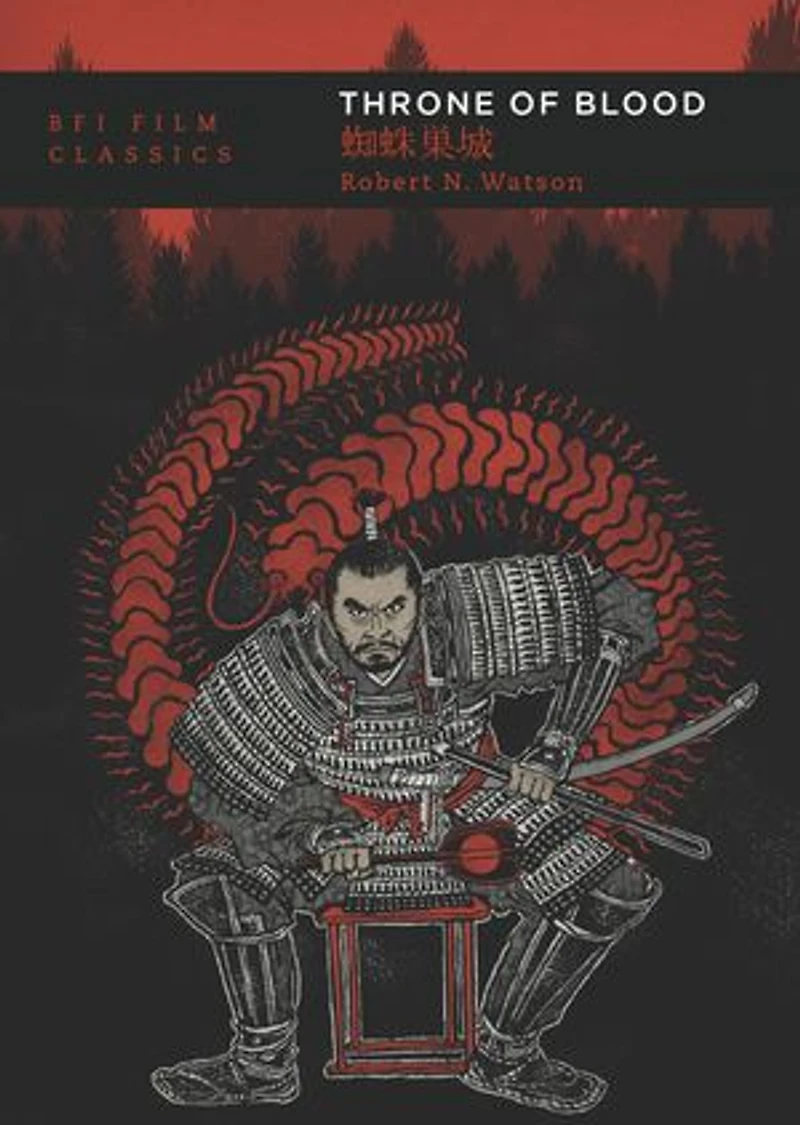
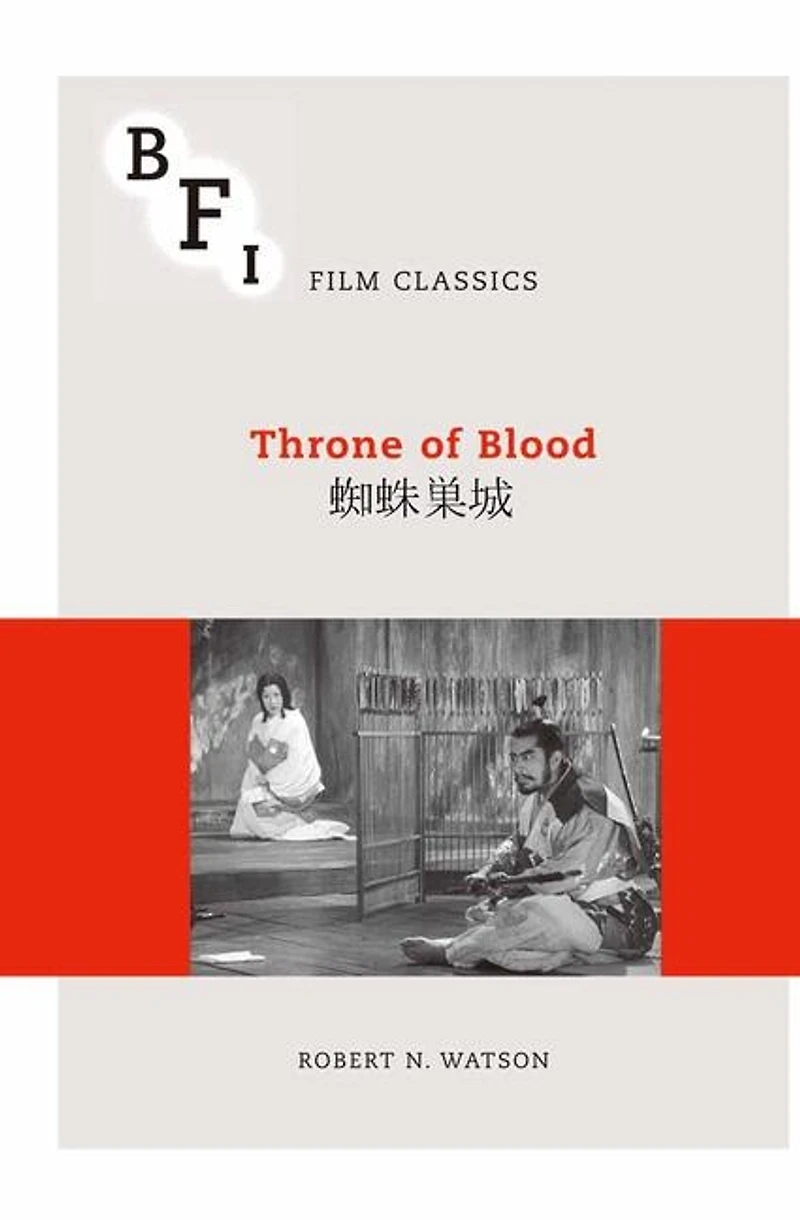
Throne of Blood in Ottawa, ON
Current price: $16.99
Original price: $21.15

Throne of Blood in Ottawa, ON
Current price: $16.99
Original price: $21.15
Loading Inventory...
Size: Kobo eBook
*Product information may vary - to confirm product availability, pricing, shipping and return information please contact Coles
Throne of Blood (1957), Akira Kurosawa's reworking of Macbeth , is widely considered the greatest film adaptation of Shakespeare ever made.
In a detailed account of the film, Robert N. Watson explores how Kurosawa draws key philosophical and psychological arguments from Shakespeare, translates them into striking visual metaphors, and inflects them through the history of post-World War II Japan. Watson places particular emphasis on the contexts that underlie the film's central tension between individual aspiration and the stability of broader social and ecological collectives - and therefore between free will and determinism.
In his foreword to this new edition, Robert Watson considers the central characters' Washizu and his wife Asaji's blunder in viewing life as a ruthless competition in which only the most brutal can thrive in the context of an era of neoliberal economics, resurgent 'strongman' political leaders, and myopic views of the environmenal crisis, with nothing valued that cannot be monetized.
Throne of Blood (1957), Akira Kurosawa's reworking of Macbeth , is widely considered the greatest film adaptation of Shakespeare ever made.
In a detailed account of the film, Robert N. Watson explores how Kurosawa draws key philosophical and psychological arguments from Shakespeare, translates them into striking visual metaphors, and inflects them through the history of post-World War II Japan. Watson places particular emphasis on the contexts that underlie the film's central tension between individual aspiration and the stability of broader social and ecological collectives - and therefore between free will and determinism.
In his foreword to this new edition, Robert Watson considers the central characters' Washizu and his wife Asaji's blunder in viewing life as a ruthless competition in which only the most brutal can thrive in the context of an era of neoliberal economics, resurgent 'strongman' political leaders, and myopic views of the environmenal crisis, with nothing valued that cannot be monetized.
You May Also Like












More About Coles at Bayshore Shopping Centre
Coles is renowned for its outstanding customer service and great selection of books. Along with the vast array of magazines, stationary, audio-books, children's literature, fiction, non-fiction and reference books, you can find accessories to make your reading experience more pleasurable. We can recommend the very best in reading today. We will help you search our titles for exactly what you need, and if we do not have it in stock, we will order it for you.
100 Bayshore Dr, Nepean, ON K2B 8C1, Canada
Find Coles at Bayshore Shopping Centre in Ottawa, ON
Visit Coles at Bayshore Shopping Centre in Ottawa, ON