

Give the Gift of Choice!
Too many options? Treat your friends and family to their favourite stores with a Bayshore Shopping Centre gift card, redeemable at participating retailers throughout the centre. Click below to purchase yours today!Purchase HereHome
Tora Bora Revisited: How We Failed to Get Bin Laden and Why It Matters Today
Coles
Loading Inventory...
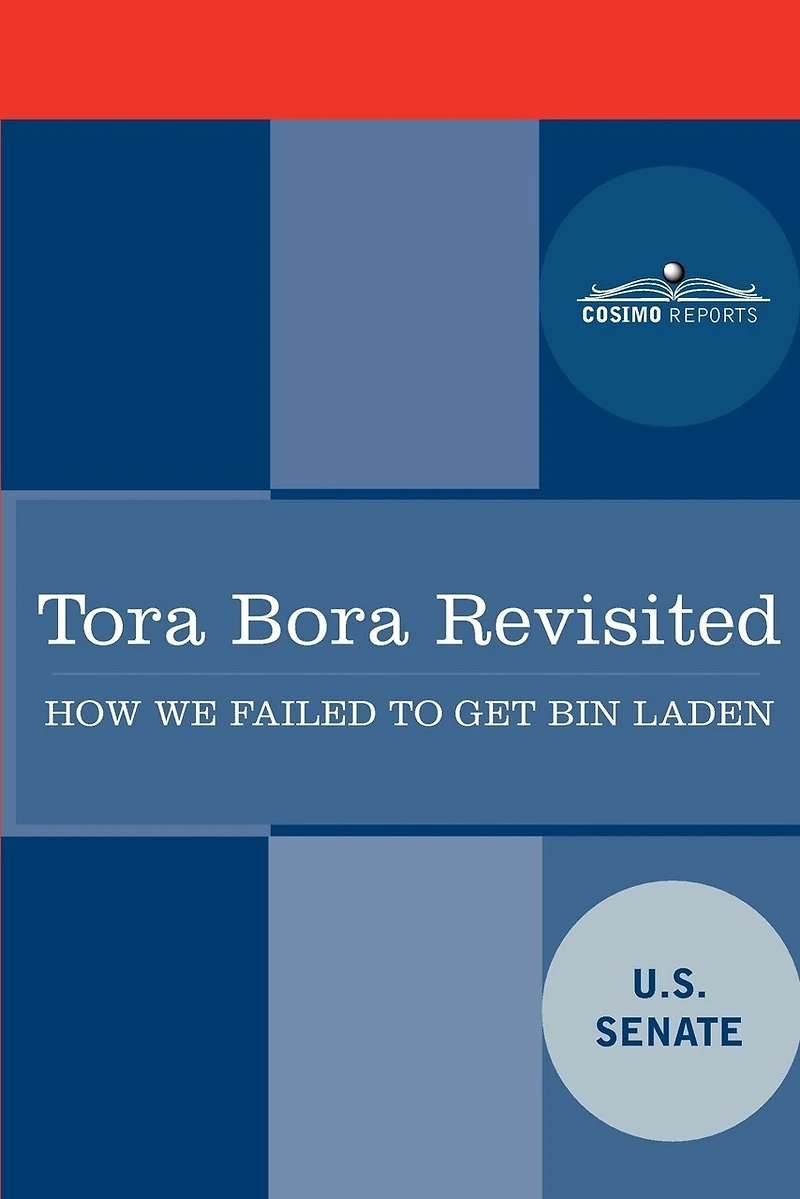
Tora Bora Revisited: How We Failed to Get Bin Laden and Why It Matters Today in Ottawa, ON
Current price: $15.99

Tora Bora Revisited: How We Failed to Get Bin Laden and Why It Matters Today in Ottawa, ON
Current price: $15.99
Loading Inventory...
Size: Paperback
*Product information may vary - to confirm product availability, pricing, shipping and return information please contact Coles
In the aftermath of 9/11, President George W. Bush promised a grieving nation that the United States would capture or kill Osama Bin Laden, the mastermind behind the deadliest terrorist attack on American soil. Almost a decade later, the Al Qaeda leader is still alive and free, even after an occupation of Afghanistan by U.S. troops of more than eight years. In November 2009, the United States Senate Committee on Foreign Relations, chaired by John F. Kerry, issued a report on what could be characterized as one of the greatest joint military and intelligence failures of recent American history: Bin Laden's escape from his stronghold in the mountains of Tora Bora, and his subsequent flight to a location that remains unknown. Who was responsible for the decision to put too few troops on the ground, and what justification could there have been for such a decision? What alternative plans were available? What can we learn from the flaws of the Afghan occupation? Anyone interested in current affairs-and especially in the beginning of the Global War on Terror-will find this essential reading.
In the aftermath of 9/11, President George W. Bush promised a grieving nation that the United States would capture or kill Osama Bin Laden, the mastermind behind the deadliest terrorist attack on American soil. Almost a decade later, the Al Qaeda leader is still alive and free, even after an occupation of Afghanistan by U.S. troops of more than eight years. In November 2009, the United States Senate Committee on Foreign Relations, chaired by John F. Kerry, issued a report on what could be characterized as one of the greatest joint military and intelligence failures of recent American history: Bin Laden's escape from his stronghold in the mountains of Tora Bora, and his subsequent flight to a location that remains unknown. Who was responsible for the decision to put too few troops on the ground, and what justification could there have been for such a decision? What alternative plans were available? What can we learn from the flaws of the Afghan occupation? Anyone interested in current affairs-and especially in the beginning of the Global War on Terror-will find this essential reading.
You May Also Like










More About Coles at Bayshore Shopping Centre
Coles is renowned for its outstanding customer service and great selection of books. Along with the vast array of magazines, stationary, audio-books, children's literature, fiction, non-fiction and reference books, you can find accessories to make your reading experience more pleasurable. We can recommend the very best in reading today. We will help you search our titles for exactly what you need, and if we do not have it in stock, we will order it for you.
100 Bayshore Dr, Nepean, ON K2B 8C1, Canada
Find Coles at Bayshore Shopping Centre in Ottawa, ON
Visit Coles at Bayshore Shopping Centre in Ottawa, ON