

Give the Gift of Choice!
Too many options? Treat your friends and family to their favourite stores with a Bayshore Shopping Centre gift card, redeemable at participating retailers throughout the centre. Click below to purchase yours today!Purchase HereHome
Totalitarian Art: In the Soviet Union, The Third Reich, Fascist Italy, and the People's Republic of China
Coles
Loading Inventory...
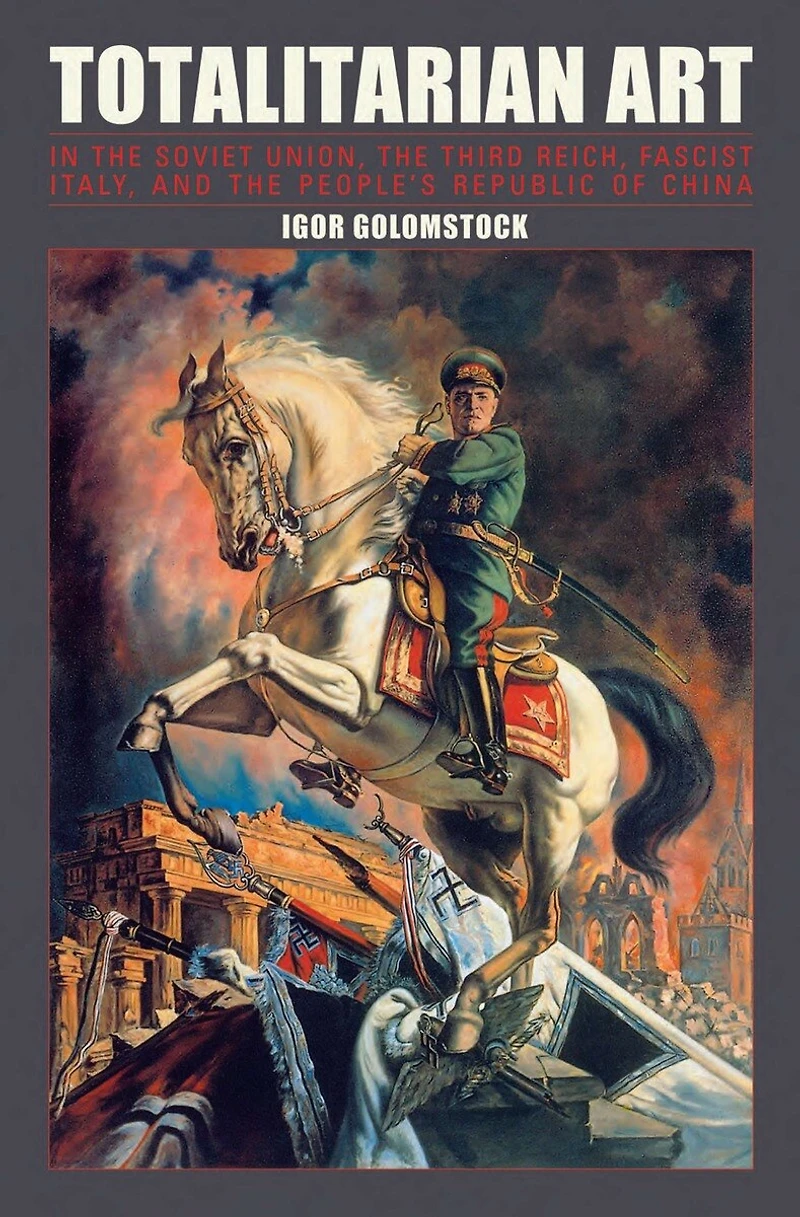
Totalitarian Art: In the Soviet Union, The Third Reich, Fascist Italy, and the People's Republic of China in Ottawa, ON
Current price: $38.00

Totalitarian Art: In the Soviet Union, The Third Reich, Fascist Italy, and the People's Republic of China in Ottawa, ON
Current price: $38.00
Loading Inventory...
Size: Paperback
*Product information may vary - to confirm product availability, pricing, shipping and return information please contact Coles
In Totalitarian Art , artist and university professor Igor Golomstock presents a history of the images and themes used by authoritarian governments and nations.
In the Soviet Union, and later in Maoist China, theories of mass artistic appeal were used to promote the Revolution both at home and abroad. In Nazi Germany and Fascist Italy they asserted the putative grandeur of the epoch. All too often, art that served the Revolution became “total realism,” and always it became a slave to the state and the cult of personality, and ultimately one more weapon in the arsenal of oppression.
Igor Golomstock gives a detailed appraisal of the forms that define totalitarian art and illustrates his text with more than 200 examples of its paintings, posters, sculpture, and architecture, and includes a powerful comparative visual essay which demonstrates the eerie similarity of the official art of these very different regimes.
In Totalitarian Art , artist and university professor Igor Golomstock presents a history of the images and themes used by authoritarian governments and nations.
In the Soviet Union, and later in Maoist China, theories of mass artistic appeal were used to promote the Revolution both at home and abroad. In Nazi Germany and Fascist Italy they asserted the putative grandeur of the epoch. All too often, art that served the Revolution became “total realism,” and always it became a slave to the state and the cult of personality, and ultimately one more weapon in the arsenal of oppression.
Igor Golomstock gives a detailed appraisal of the forms that define totalitarian art and illustrates his text with more than 200 examples of its paintings, posters, sculpture, and architecture, and includes a powerful comparative visual essay which demonstrates the eerie similarity of the official art of these very different regimes.
You May Also Like








More About Coles at Bayshore Shopping Centre
Coles is renowned for its outstanding customer service and great selection of books. Along with the vast array of magazines, stationary, audio-books, children's literature, fiction, non-fiction and reference books, you can find accessories to make your reading experience more pleasurable. We can recommend the very best in reading today. We will help you search our titles for exactly what you need, and if we do not have it in stock, we will order it for you.
100 Bayshore Dr, Nepean, ON K2B 8C1, Canada
Find Coles at Bayshore Shopping Centre in Ottawa, ON
Visit Coles at Bayshore Shopping Centre in Ottawa, ON