

Give the Gift of Choice!
Too many options? Treat your friends and family to their favourite stores with a Bayshore Shopping Centre gift card, redeemable at participating retailers throughout the centre. Click below to purchase yours today!Purchase HereHome
Tourette: The self-under-siege neurodevelopmental and neuropsychiatric motor syndrome
Coles
Loading Inventory...
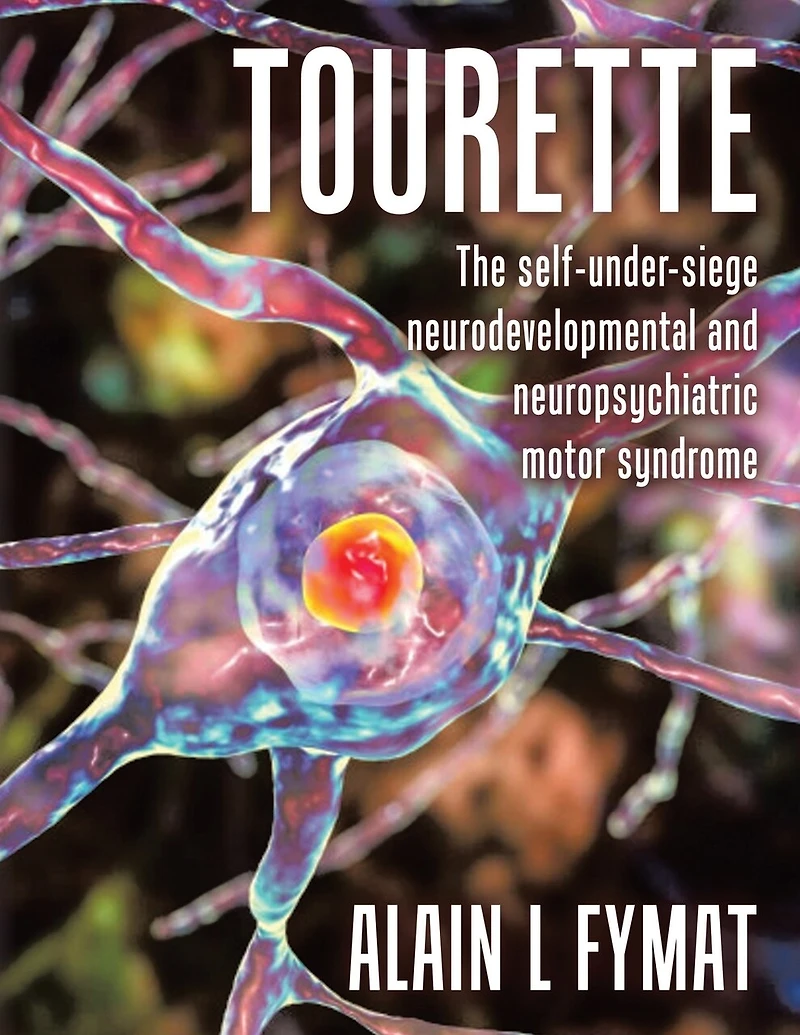
Tourette: The self-under-siege neurodevelopmental and neuropsychiatric motor syndrome in Ottawa, ON
Current price: $71.00

Tourette: The self-under-siege neurodevelopmental and neuropsychiatric motor syndrome in Ottawa, ON
Current price: $71.00
Loading Inventory...
Size: Paperback
*Product information may vary - to confirm product availability, pricing, shipping and return information please contact Coles
Tourette's syndrome is a multifaceted disorder that affects 0.6%-1% of the global population. Across their lifespan, affected individuals suffer a worse quality of life than the general population. The hallmarks of the disease are motor and vocal/phonic tics. The severity of the tics is influenced by stressful life events, anxiety, fatigue, and behavioral co-morbidities, more commonly attention-deficit hyperactive disorder and obsessive-compulsive disorder. Although a psychoanalytic etiological view prevailed into the 20th century, the disease is now recognized as a neurodevelopmental motor disorder at the crossroads between neurology, neuropediatrics, and neuropsychiatry. Recent neuroimaging data also suggest a defect in brain maturation. The etiology of the disease is now explained by both genetic factors and, to a lesser extent, environmental influences. While there is no cure, there are a number of medical treatments (including non-medicine behavioral treatments) that can be effective at reducing tics or helping to manage co-occurring conditions. However, there is no one medication that is helpful to all people with Tourette, nor does any medication completely eliminate symptoms. Tics may improve as a result of treatments that include behavioral therapy, pharmacotherapy, and functional neurosurgery (deep brain stimulation, transcranial magnetic stimulation, cranial electrotherapy stimulation, and continuous theta-burst stimulation). If tic symptoms are mild and do not cause impairment, there may be no need for treatment. Treatment is necessary when individuals experience physical discomfort, functional dysfunction, and poor interpersonal interaction and mental health. While Tourette is not life-threatening, tics and their associated co-morbidities affect physical and mental health and their social interactions. While the prognosis has been extensively researched, prognostic indicators carry clinical significance in terms of helping to inform patients of the long-term outcomes of their disorder, and directing their follow-up and management.
Tourette's syndrome is a multifaceted disorder that affects 0.6%-1% of the global population. Across their lifespan, affected individuals suffer a worse quality of life than the general population. The hallmarks of the disease are motor and vocal/phonic tics. The severity of the tics is influenced by stressful life events, anxiety, fatigue, and behavioral co-morbidities, more commonly attention-deficit hyperactive disorder and obsessive-compulsive disorder. Although a psychoanalytic etiological view prevailed into the 20th century, the disease is now recognized as a neurodevelopmental motor disorder at the crossroads between neurology, neuropediatrics, and neuropsychiatry. Recent neuroimaging data also suggest a defect in brain maturation. The etiology of the disease is now explained by both genetic factors and, to a lesser extent, environmental influences. While there is no cure, there are a number of medical treatments (including non-medicine behavioral treatments) that can be effective at reducing tics or helping to manage co-occurring conditions. However, there is no one medication that is helpful to all people with Tourette, nor does any medication completely eliminate symptoms. Tics may improve as a result of treatments that include behavioral therapy, pharmacotherapy, and functional neurosurgery (deep brain stimulation, transcranial magnetic stimulation, cranial electrotherapy stimulation, and continuous theta-burst stimulation). If tic symptoms are mild and do not cause impairment, there may be no need for treatment. Treatment is necessary when individuals experience physical discomfort, functional dysfunction, and poor interpersonal interaction and mental health. While Tourette is not life-threatening, tics and their associated co-morbidities affect physical and mental health and their social interactions. While the prognosis has been extensively researched, prognostic indicators carry clinical significance in terms of helping to inform patients of the long-term outcomes of their disorder, and directing their follow-up and management.
You May Also Like


















More About Coles at Bayshore Shopping Centre
Coles is renowned for its outstanding customer service and great selection of books. Along with the vast array of magazines, stationary, audio-books, children's literature, fiction, non-fiction and reference books, you can find accessories to make your reading experience more pleasurable. We can recommend the very best in reading today. We will help you search our titles for exactly what you need, and if we do not have it in stock, we will order it for you.
100 Bayshore Dr, Nepean, ON K2B 8C1, Canada
Find Coles at Bayshore Shopping Centre in Ottawa, ON
Visit Coles at Bayshore Shopping Centre in Ottawa, ON