

Give the Gift of Choice!
Too many options? Treat your friends and family to their favourite stores with a Bayshore Shopping Centre gift card, redeemable at participating retailers throughout the centre. Click below to purchase yours today!Purchase HereHome
Toxicogenomics in Predictive Carcinogenicity
Coles
Loading Inventory...
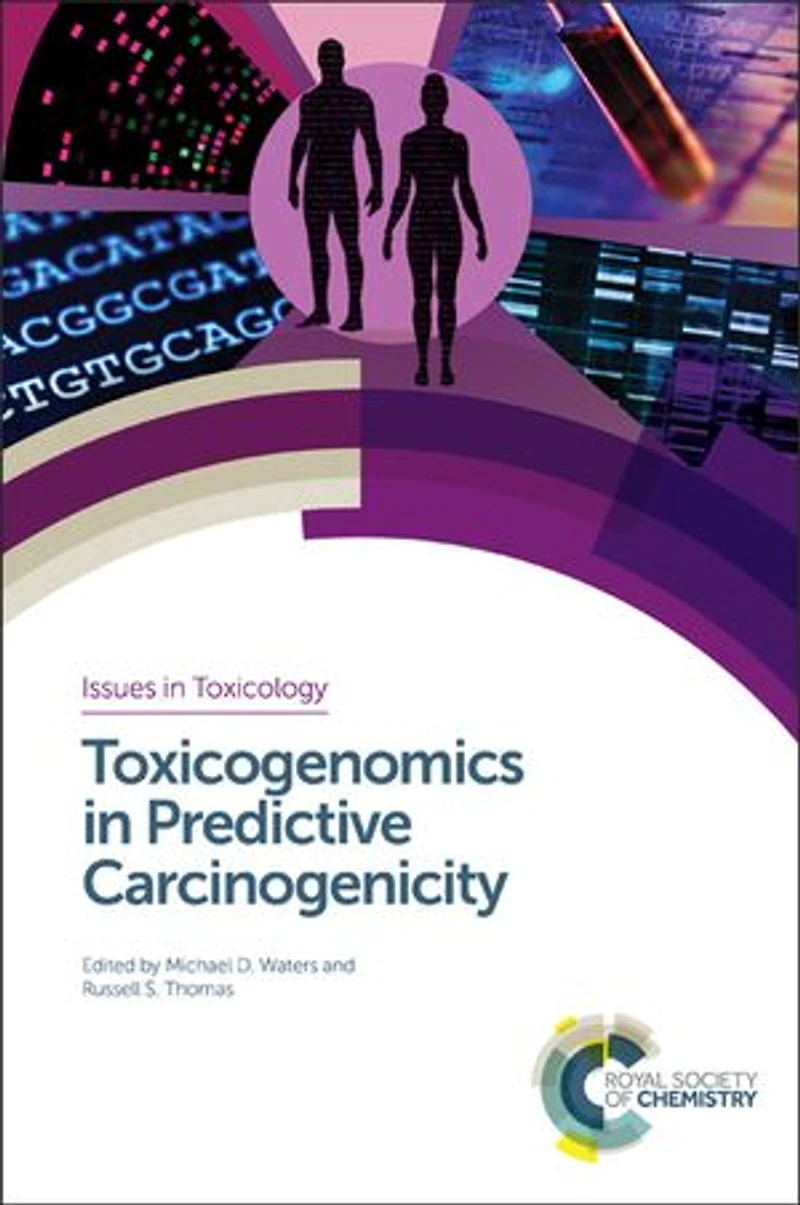
Toxicogenomics in Predictive Carcinogenicity in Ottawa, ON
Current price: $231.99
Original price: $290.00

Toxicogenomics in Predictive Carcinogenicity in Ottawa, ON
Current price: $231.99
Original price: $290.00
Loading Inventory...
Size: Kobo eBook
*Product information may vary - to confirm product availability, pricing, shipping and return information please contact Coles
Research over the past decade has demonstrated that TGx methods of various types can be used to discriminate modes of mutagenesis as a function of dose. TGx can quickly inform safety evaluation regarding potential mechanisms of conventional outcomes and can provide essential dose-response information. This can then be used to ascertain the sequence of key events in a putative mode of action as may apply in quantitative cancer risk assessment. With the increasing complexity of research in mode of action investigations it is important to gain a better understand of approaches to data integration and health risk assessment. Furthermore, it is essential to consider how novel test systems and newer methods and approaches may be used in future to gain a better understanding of mechanisms.
Toxicogenomics in Predictive Carcinogenicity describes toxicogenomics methods in predictive carcinogenicity testing, mode of action and safety evaluation, and cancer risk assessment. It illustrates these methods using case studies that have yielded significant new information on compounds and classes of compounds that have proven difficult to evaluate using conventional methods alone. This book additionally covers current and potential toxicogenomic research using stem cells as well as new bioinformatics methods for drug discovery and environmental toxicology.
This publication is an indispensable tool for postgraduates, academics and industrialists working in biochemistry, genomics, carcinogenesis, pathology, pharmaceuticals, food technology, bioinformatics, risk assessment and environmental toxicology.
Research over the past decade has demonstrated that TGx methods of various types can be used to discriminate modes of mutagenesis as a function of dose. TGx can quickly inform safety evaluation regarding potential mechanisms of conventional outcomes and can provide essential dose-response information. This can then be used to ascertain the sequence of key events in a putative mode of action as may apply in quantitative cancer risk assessment. With the increasing complexity of research in mode of action investigations it is important to gain a better understand of approaches to data integration and health risk assessment. Furthermore, it is essential to consider how novel test systems and newer methods and approaches may be used in future to gain a better understanding of mechanisms.
Toxicogenomics in Predictive Carcinogenicity describes toxicogenomics methods in predictive carcinogenicity testing, mode of action and safety evaluation, and cancer risk assessment. It illustrates these methods using case studies that have yielded significant new information on compounds and classes of compounds that have proven difficult to evaluate using conventional methods alone. This book additionally covers current and potential toxicogenomic research using stem cells as well as new bioinformatics methods for drug discovery and environmental toxicology.
This publication is an indispensable tool for postgraduates, academics and industrialists working in biochemistry, genomics, carcinogenesis, pathology, pharmaceuticals, food technology, bioinformatics, risk assessment and environmental toxicology.
You May Also Like










More About Coles at Bayshore Shopping Centre
Coles is renowned for its outstanding customer service and great selection of books. Along with the vast array of magazines, stationary, audio-books, children's literature, fiction, non-fiction and reference books, you can find accessories to make your reading experience more pleasurable. We can recommend the very best in reading today. We will help you search our titles for exactly what you need, and if we do not have it in stock, we will order it for you.
100 Bayshore Dr, Nepean, ON K2B 8C1, Canada
Find Coles at Bayshore Shopping Centre in Ottawa, ON
Visit Coles at Bayshore Shopping Centre in Ottawa, ON